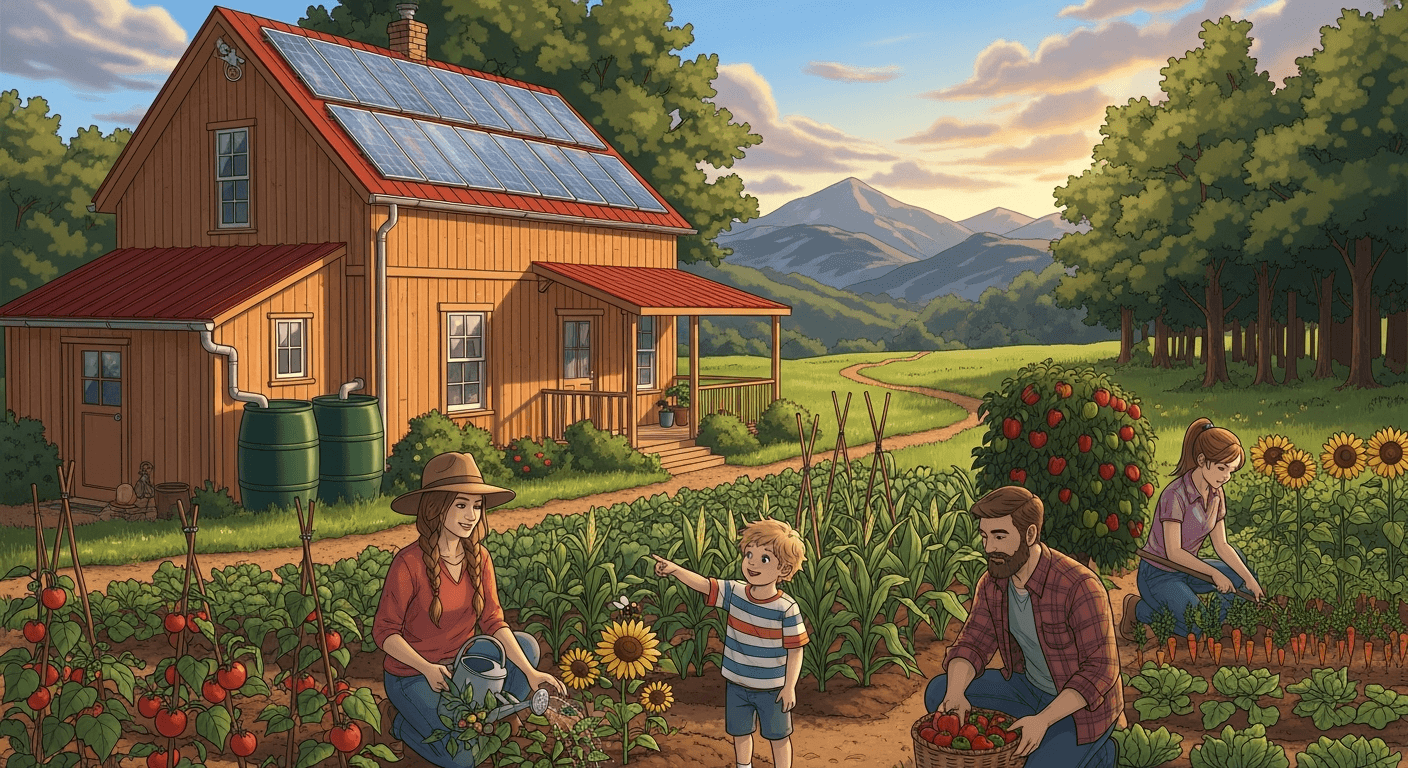

Your Path to a Self-Sufficient Life
Introduction
Have you ever thought about living a more independent and sustainable life? Embarking on the journey of self-sufficient living is a powerful way to reconnect with your environment and take control of your resources. It's about making conscious consumer choices that reduce your ecological footprint and build a more resilient future. This guide will walk you through the essential skills, practical steps, and mindset needed to start your path toward greater self-reliance, no matter where you're starting from.
Understanding Self-Sufficient Living

At its core, self-sufficient living is about creating a harmonious balance between what you need and what the environment can provide. It's a sustainable lifestyle that involves changing your daily habits to work with natural systems like food, water, and energy, rather than just consuming from them.
By adopting these practices, you actively reduce your environmental impact. This approach isn't just about personal independence; it's a practical response to global challenges, helping to create a healthier planet for everyone. Let's explore what this looks like in the modern world and the benefits it offers.
What Self-Sufficiency Means in Modern Life
So, what does self-sufficient living actually mean today? It's the practice of meeting your basic needs---like food, water, and energy---with minimal reliance on external systems. This doesn't mean you have to go completely off-grid overnight. Instead, it's a gradual process of integrating self-reliant practices into your daily activities. For beginners, this path is entirely realistic; it starts with small, manageable changes that build confidence and skills over time.
The goal is to thoughtfully reduce your dependence on public utilities and commercial supply chains. You might start by growing some of your own vegetables, collecting rainwater, or learning basic repair skills. Each step you take lessens your environmental impact and enhances your personal resilience against things like price hikes or supply disruptions.
Ultimately, modern self-sufficiency is a flexible journey, not a rigid destination. It's about making intentional choices that align with your values and circumstances, whether you live in a rural homestead or a city apartment.
Benefits of Embracing a Self-Sufficient Lifestyle
Choosing a self-sufficient lifestyle brings a wealth of benefits for both you and the planet. One of the most significant advantages is the positive environmental impact. By producing more of what you consume, you naturally reduce your ecological footprint and contribute to a healthier ecosystem. You'll find yourself generating less waste and lowering your carbon emissions.
This lifestyle also empowers you with invaluable practical skills. Learning food preservation, for example, allows you to enjoy your harvest year-round and minimize food waste. Another key skill is waste management. One of the critical advantages of homebiogas systems is their ability to turn organic waste like food scraps into renewable cooking fuel, creating a closed-loop system in your own home.
Embracing self-sufficiency offers:
-
Greater control over your food quality and supply.
-
Reduced household expenses on utilities and groceries.
-
Increased resilience against economic or environmental disruptions.
-
A deeper connection to the natural world and your resources.
Essential Skills for Starting Your Self-Sufficient Journey

To truly begin your journey, you'll need to develop a set of practical skills. These abilities are the foundation of self-reliance, empowering you to provide for yourself in meaningful ways. From cultivating a vegetable garden to handling basic home repairs, each skill you learn brings you one step closer to independence.
Think of these as your toolkit for a more sustainable life. Mastering the basics of food production ensures you have essential ingredients at your fingertips, while understanding how to manage your home's resources helps you conserve energy and water. Let's look at some of the most important skills you can start learning today.
Basic Food Production Methods
Growing your own food is one of the most rewarding steps toward self-sufficiency. It gives you direct control over your food quality and reduces your reliance on grocery stores. Beginner-friendly methods include starting with a small container garden on your balcony or dedicating a small plot in your backyard to easy-to-grow vegetables like lettuce and tomatoes. Understanding your local growing season is key to maximizing crop yields.
The five most essential skills to learn first often revolve around food: gardening, seed saving, basic food preservation, composting, and cooking from scratch. Once you start harvesting, you'll need to know how to manage your bounty. This is where skills like food preservation and proper food storage come in. Canning, drying, and freezing are all excellent methods to ensure you have access to your harvest long after the growing season ends.
Some beginner-friendly methods to start with include:
-
Container gardening for small spaces.
-
Creating a simple compost pile for food scraps.
-
Learning to can or pickle your excess produce.
-
Saving seeds from your most successful plants for the next year.
Home Maintenance and Repair Skills
Becoming proficient in basic home maintenance and repair is a cornerstone of self-sufficiency. Why pay someone for a simple fix when you can handle it yourself? Learning DIY skills not only saves you money but also reduces your dependence on outside help, which is crucial when you're aiming for greater independence. Simple home repairs, like fixing a leaky faucet or patching a hole in the wall, are excellent skills to start with.
Among the most important skills for self-sufficient living, the ability to maintain your shelter ranks high. Start by assembling a basic set of tools, including a hammer, screwdrivers, wrenches, and a power drill. With these at your disposal, you can tackle a surprising number of tasks around the house. Online tutorials and local workshops are fantastic resources for learning.
As you build your skills, you'll also learn what parts and materials to keep on hand as an essential backup supply. Having spare plumbing fittings, electrical components, or patching materials can turn a potential crisis into a manageable inconvenience, keeping your home running smoothly no matter what.
Water Management and Conservation
Effective water management is critical for any self-sufficient lifestyle. Conserving this precious resource starts with mindful daily habits, such as taking shorter showers and only running full loads in the washing machine. Installing low-flow fixtures is another simple yet impactful step you can take to reduce your household's water consumption immediately. These small changes add up to significant savings over time.
Beyond conservation, securing a clean water supply is a key priority. This is where water collection and storage come into play. Setting up a rain barrel system to capture runoff from your roof is a great starting point. This collected water is perfect for watering your garden and other household chores. For drinking water, you'll need to invest in a reliable filtration and purification system.
Learning these water-related skills is one of the first five essential skills for self-sufficient living. Developing an efficient recycling system for water, often called greywater recycling, can take your efforts to the next level by reusing water from sinks and showers for irrigation, further reducing your reliance on municipal sources.
Energy Generation and Efficiency
Reducing your reliance on the grid starts with improving your home's energy efficiency. A great beginner-friendly method is to conduct a simple energy audit of your home. Look for air leaks around windows and doors and seal them to prevent heat loss. Upgrading to LED lighting and energy-efficient appliances can also drastically lower your energy consumption habits without requiring a major investment.
Once you've made your home as efficient as possible, you can explore energy generation. Solar panels are a popular and increasingly accessible option for homeowners, harnessing sunlight to create clean electricity. Depending on your location, small-scale wind turbines might also be a viable choice to supplement your energy output. These systems reduce your utility bills and provide a reliable power source.
Even without installing large systems, you can make a difference. Simple actions like using power strips to turn off electronics completely and installing a programmable thermostat help you control your energy use. These steps empower you to manage your energy output effectively and pave the way for greater energy independence.
How to Prepare for Self-Sufficient Living (Beginner's Guide)
Preparing for a self-sufficient life can feel like a huge undertaking, but it doesn't have to be overwhelming. The key is to take a comprehensive approach, breaking the journey down into manageable steps. This beginner's guide is designed to provide you with a clear roadmap, starting with the foundational tools and planning you'll need.
Instead of trying to do everything at once, focus on gradual progress. Reading books, joining online communities, or participating in educational programs can provide valuable knowledge and support. Now, let's look at the specific tools and goals that will set you up for success.
Tools, Equipment, and Resources You'll Need
When setting up a self-sufficient homestead from scratch, having the right tools and equipment is essential. Your needs will vary based on your goals, but some items are universally helpful. For the garden, quality hand tools are a must. For food preservation, you'll want to stock up on glass jars and perhaps invest in a dehydrator or pressure canner for long-term food storage.
Creating an essential backup supply of non-perishable goods and materials is also wise. This includes everything from dried beans and grains to first-aid supplies and materials for basic repairs. For homemade cleaning products, simple ingredients like white vinegar, baking soda, and castile soap are incredibly versatile and cost-effective.
Here is a basic list of tools and resources to get you started:
Category Essential Items Gardening Shovel, rake, hoe, hand trowel, watering can, wheelbarrow Food Preservation Canning jars, pressure canner, water bath canner, dehydrator Home Maintenance Hammer, screwdriver set, wrench set, pliers, power drill Cleaning Supplies White vinegar, baking soda, castile soap, reusable spray bottles
Planning Your Self-Sufficiency Goals
To set up a self-sufficient homestead from scratch, you need a clear plan. Start by defining what self-sufficiency means to you. Do you want to grow 50% of your own vegetables, or are you aiming to go completely off-grid? Your goals should be realistic and tailored to your specific situation, including your available space, time, and budget.
Next, think about how to integrate these goals into your daily routine. A sustainable lifestyle is built on consistent habits. Begin by making conscious consumer choices, such as buying less, choosing durable products, and reducing waste. Incorporate best practices one at a time, like starting a small compost bin or learning to mend your own clothes, so you don't feel overwhelmed.
Break down your long-term vision into smaller, actionable steps. For example, if your goal is to reduce your reliance on grocery stores, your first step might be to plant a small herb garden. Celebrating these small victories will keep you motivated as you work toward a more independent and sustainable way of life.
Step-by-Step Guide to Becoming Self-Sufficient
Are you ready to take concrete action? This step-by-step guide is a great way to start your journey. It breaks down the process into manageable stages, allowing you to build skills and confidence as you go. Remember, every small change you make in your daily activities contributes to the bigger picture of self-reliance.
This path is about progress, not perfection. By following these steps, you can systematically reduce your reliance on external systems and create a more sustainable and fulfilling lifestyle for yourself. Let's begin with the first and most crucial step: assessing where you are right now.
Step 1: Assess Your Current Lifestyle and Resources
The first step in setting up a self-sufficient homestead is to take a close look at your current lifestyle. Begin by tracking your daily routine and consumption habits for a week or two. How much household waste do you produce? How much do you spend on groceries? Understanding your starting point is essential for measuring progress and setting realistic goals.
Pay special attention to your resource use. This includes your current energy consumption, water usage, and the amount of food waste you generate. Make a note of how many food scraps end up in the trash versus a compost bin. This audit will reveal your biggest areas of dependence and highlight the best opportunities for change.
Once you have this data, you can identify what resources you already have at your disposal. This could be a sunny balcony perfect for container gardening, a knack for fixing things, or simply the desire to learn. This honest assessment forms the foundation upon which you'll build your new, more self-reliant life.
Step 2: Start Growing Your Own Food
Now it's time to get your hands dirty and start growing your own food. This is a fundamental skill for self-sufficiency and one of the most rewarding. Don't feel pressured to plow an entire field; start small with a simple vegetable garden in your backyard, a few pots on your patio, or even a windowsill herb garden. Choose easy-to-grow plants like lettuce, radishes, or bush beans to build your confidence.
As you gain experience, you can gradually expand your crop production. Focus on foods your family enjoys eating to ensure your efforts are put to good use. Learning about your local climate and soil will help you maximize your crop yields. Remember that growing food is one of the first five essential skills you'll need.
Alongside gardening, begin learning about food preservation. Even a small harvest can provide more than you can eat at once. Simple techniques like freezing, drying, or pickling will allow you to enjoy the fruits of your labor long after the harvest is over, bringing you one step closer to food independence.
Step 3: Reduce Household Waste and Reuse More
An easy way to become more self-reliant is by tackling your household waste. The goal is simple: produce less waste by being more mindful of what you bring into your home and what you throw away. Before you buy something, ask yourself if you truly need it or if there's a reusable alternative. This shift in mindset is foundational to a sustainable lifestyle.
One of the most effective actions you can take is to set up a compost pile. Composting diverts a significant amount of biodegradable matter from landfills and turns your kitchen scraps and yard trimmings into nutrient-rich fertilizer for your garden. All those food scraps that used to go in the trash now have a valuable new purpose.
To further reduce your waste, implement an efficient recycling system and look for opportunities to reuse items. Here are some easy ways to start:
-
Use reusable shopping bags, water bottles, and coffee cups.
-
Repurpose glass jars for food storage or organizing small items.
-
Learn basic sewing skills to mend clothes instead of replacing them.
-
Choose products with minimal or recyclable packaging.
Step 4: Produce and Conserve Your Own Energy
A practical tip for becoming more self-sufficient at home is to take control of your energy use. Your journey starts with conservation. Adjust your energy consumption habits by unplugging devices when not in use, switching to LED bulbs, and being mindful of your thermostat settings. Sealing air leaks and improving insulation can also dramatically reduce the energy needed to heat and cool your home.
Once you've optimized your efficiency, you can explore energy generation. Installing solar panels is a powerful step that allows you to produce your own clean electricity, reducing your reliance on the grid and contributing to the decarbonization of the energy sector. This not only lowers your bills but also provides a stable energy output, protecting you from power outages.
Even if you can't install solar panels right away, you can invest in smaller solutions like solar-powered chargers for your devices or outdoor solar lighting. Every kilowatt of energy you produce yourself is a step toward greater independence and a more resilient household.
Step 5: Master Water Collection and Storage
Another practical tip for becoming more self-sufficient is to manage your water resources wisely. Mastering water collection and storage ensures you have a reliable backup and reduces your demand on municipal supplies. The easiest way to start is by installing a rain barrel to collect runoff from your roof. This water is excellent for gardening and other non-potable uses.
For a more robust system, you can explore larger water storage tanks or cisterns. Proper water storage is key to maintaining a clean water supply. Ensure your containers are sealed to prevent contamination from debris and pests. Following best practices for maintenance, like regularly cleaning your gutters and tanks, will keep your collected water safe and usable.
If you plan to use collected rainwater for drinking, investing in a quality filtration and purification system is non-negotiable. Systems ranging from simple countertop filters to whole-house units can make your water safe to consume. Taking control of your water supply is a huge leap toward true self-reliance.
Step 6: Build Basic DIY and Repair Skills
Learning to fix and make things yourself is one of the first five essential skills for self-sufficiency. Building basic DIY and repair skills empowers you to maintain your home and possessions without relying on others. Start with simple home repairs, such as patching drywall, fixing a running toilet, or replacing a broken light fixture. There are countless free tutorials online to guide you.
Don't stop at home repairs. Finding creative ways to be resourceful is part of the fun. Learn to sew so you can mend or even make your own clothes. This reduces waste and saves money. You can also learn basic woodworking to build simple furniture or garden beds. Many communities offer hands-on educational programs and workshops to help you get started.
As your skills grow, you'll become better at identifying what you need for an essential backup supply. Having spare parts, materials, and the know-how to use them means you're prepared for unexpected breakdowns, making your household more resilient and independent.
Practical Tips for Making Your Home More Self-Sufficient
Transitioning to a more sustainable lifestyle is filled with practical opportunities right within your home. You don't need acres of land to make a significant impact. By creatively using the space and resources you already have, you can tackle environmental challenges head-on and increase your self-reliance.
From setting up a garden in a small space to creating your own household systems, every step counts. These tips are designed to be accessible and effective, helping you with everything from growing food to learning food preservation. Let's explore some actionable ideas you can implement right away.
Setting Up a Productive Garden in Any Space
One of the easiest ways to become more self-reliant is by starting a garden, no matter how small your space. You don't need a sprawling backyard to grow food. Balconies, patios, and even sunny windowsills can host a productive vegetable garden. Vertical gardening, hanging baskets, and container pots are all excellent solutions for urban or small-space dwellers.
To get started, choose plants that are well-suited for containers, such as herbs, lettuce, cherry tomatoes, and peppers. Use a high-quality potting mix and enrich it with organic matter like compost to promote healthy plant growth. Saving seeds from your most successful plants is a great way to adapt your garden to your specific conditions and reduce dependence on commercial seed sources.
Regular watering and monitoring for pests will ensure your small garden thrives. The satisfaction of harvesting food you grew yourself is a powerful motivator, proving that you can take meaningful steps toward self-sufficiency right where you are.
Raising Small Livestock or Chickens at Home
For those with a bit more space, raising small livestock can be a practical tip for boosting your self-sufficiency. Chickens are a popular choice for beginners, providing a continuous food supply of fresh eggs. They are relatively easy to care for and can even help with pest control in your garden. Bees are another great option, offering honey and pollination for your plants.
Before you bring any animals home, it is crucial to research local regulations. Many urban and suburban areas have specific rules about keeping livestock, including limits on the number and type of animals. Ensuring you have proper permits and adequate space will prevent any issues with your neighbors or local authorities. A small or tiny home can become more self-sufficient by focusing on high-yield options like quail or rabbits, which require less space than chickens.
Providing a secure shelter, clean water, and proper nutrition is essential for the health of your animals. Raising livestock deepens your involvement in your food production, giving you access to fresh, high-quality essential ingredients like eggs, milk, or honey right from your own backyard.
Creating Eco-Friendly Household Systems
A great beginner-friendly method to reduce reliance on stores is to create your own eco-friendly household systems. This starts with what you use to clean your home. Making your own homemade cleaning products is simple, effective, and drastically cuts down on plastic waste and cleaning costs. Basic ingredients like vinegar, baking soda, and a few drops of essential oils can replace a whole cabinet of commercial cleaners.
Another powerful system is composting. This involves the controlled decomposition of organic waste materials, turning your kitchen scraps and yard waste into valuable fertilizer. For those looking to take it a step further, innovative systems like the HomeBiogas Bio-toilet can even convert human waste into cooking gas, creating a truly comprehensive waste-to-energy cycle at home.
Here are a few ways to create more eco-friendly systems:
-
Mix vinegar and water for an all-purpose surface cleaner.
-
Use baking soda as a gentle abrasive for scrubbing sinks and tubs.
-
Set up a worm farm (vermicomposting) for an efficient indoor composting solution.
-
Install a greywater system to recycle water from showers for your garden.
Conclusion
In conclusion, embarking on the journey toward self-sufficient living can be both rewarding and empowering. By understanding what self-sufficiency means in today's world and adopting essential skills, you can create a lifestyle that not only fosters independence but also supports a healthier environment. Whether it's growing your own food, managing resources wisely, or honing DIY skills, every step you take brings you closer to a sustainable way of life. Remember, it's about progress, not perfection. Start small, set realistic goals, and enjoy the process of becoming more self-reliant. If you're ready to take the first step, don't hesitate to reach out for guidance. Your path to a self-sufficient life awaits!
Frequently Asked Questions
What are the easiest ways to start being more self-reliant?
Starting small is a great way to move toward a more sustainable lifestyle. Incorporate simple changes into your daily routine, like starting a small herb garden for food production, composting kitchen scraps, or learning a basic repair skill. These initial steps help you provide for your basic needs and build momentum.
Is it possible to be fully self-sufficient in a small home or apartment?
While full self-sufficiency is challenging in a small home, you can achieve a high degree of it. Focus on what you can control: grow your own food in containers, minimize food waste through composting, reduce your energy output, and build an essential backup supply. Every step makes a difference.
What common obstacles do beginners face and how can they overcome them?
Beginners often face a steep learning curve and the challenge of initial setup costs. Overcome these by starting small, focusing on one skill at a time like food preservation, and seeking knowledge through educational programs. Utilizing best practices and innovative solutions can help you navigate environmental challenges more effectively.
How can you make self-sufficient living profitable or sustainable for the long-term?
A sustainable lifestyle can become profitable by selling surplus goods. Excellent crop yields from your garden, extra eggs, or handmade crafts can be sold at local markets. This continuous effort not only provides income but also strengthens your community and reinforces the value of your self-sufficient practices.