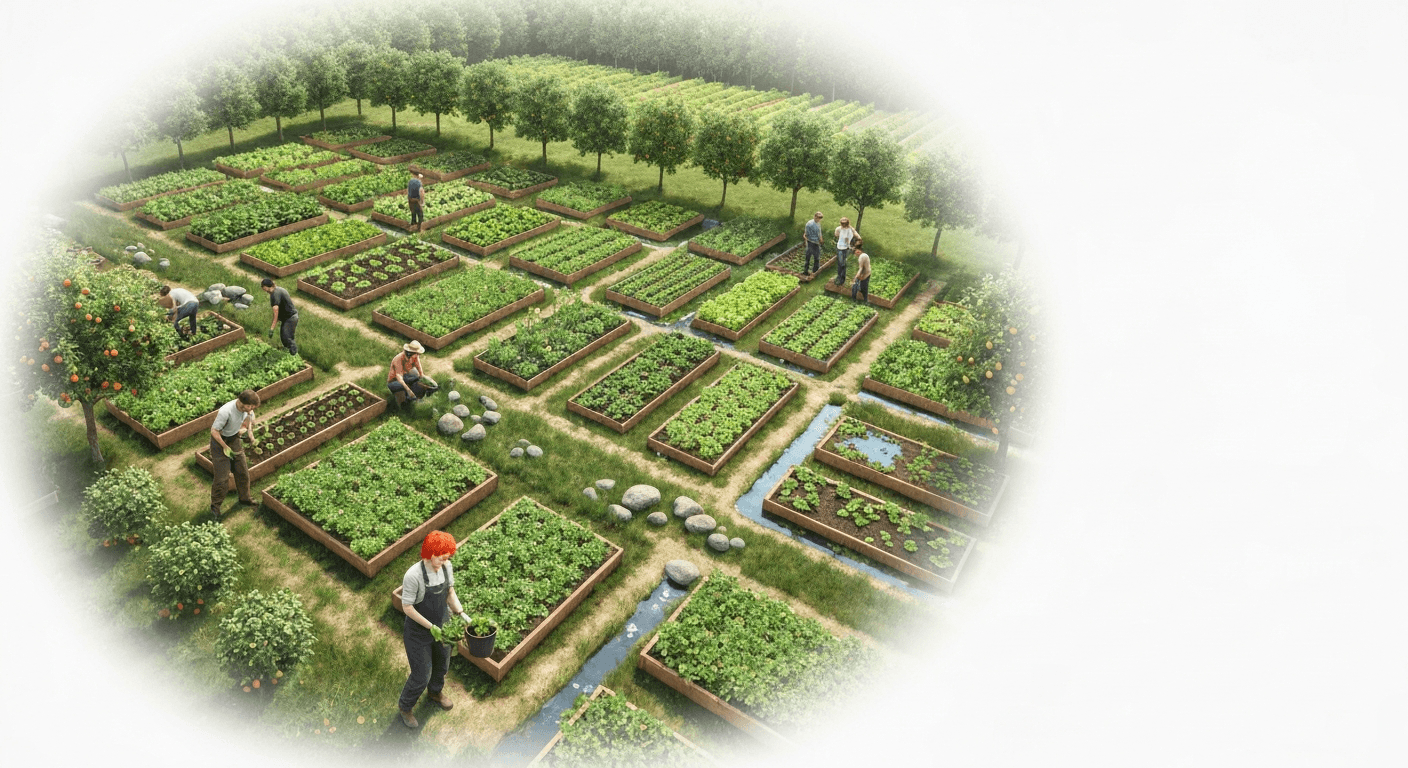

The Ultimate Guide to Effective Permaculture Designs
Introduction
Are you trying to find a way to make your garden better, more pretty, and good for the environment? Permaculture design could be what you are looking for. Permaculture is not only about gardening; it is a way of thinking. It uses the idea of nature to help you make a garden that keeps working well by itself. When you work with nature, you do not have to work as hard, you save water and other things, and you get more food from your land. This guide gives you the main steps to help you start with permaculture in your yard. If you want more sustainability and to make your gardening easier, read on.
Foundations of Permaculture Design

Permaculture is based on ideas that focus on working with the environment instead of against it. Bill Mollison first came up with the permaculture way for gardening and food production. People who practice permaculture take time to watch and learn from nature. They use these lessons to copy the patterns found in the natural world. This way, the permaculture system becomes good for food production, keeps the land healthy, and does not harm the earth.
When you use these basic ideas, you can turn your yard into a more green space. A permaculture design can help you cut down on waste, save water, and improve the soil. With this, your garden will not just give you food but also help the planet. Now, let's look at the principles and values that are the guide for this permaculture way.
The Origins and Principles of Permaculture
Permaculture is an idea that became well-known because of Bill Mollison. It started because people wanted to build better and lasting ways to farm. People looked at how nature works when no one is helping it. The idea is to use what we see in nature in our own gardens. With permaculture, we can make gardens and other areas that can take care of themselves, just like a forest or a prairie.
Permaculture is based on a set of design ideas. These ideas help you make smart and lasting choices. The main goal is to look at natural patterns around you. Then, you use them to help you plan. You learn to save water and energy. You make sure each part in your space works well with the others. For example, if you have a low area that gets wet, you do not fight it. A permaculture idea will suggest you turn that wet spot into a rain garden.
These ideas give you a plan to make a garden that can deal with things like climate change. When you think about how every part of your garden fits together, you make a place that is good for the earth. The garden will be easy to take care of, and it will also give back to the area around it. This way, your garden works well and can handle many problems.
Ethics Guiding Permaculture
There are three main ethics that guide every permaculture design. These are: Care for the Earth, Care for People, and Fair Share. For anyone who works with permaculture, these ethics serve as an important guide. They help make sure that all of their actions have a good effect on both the planet and people around them. These ideas help people know why they do what they do in a permaculture system.
"Care for the Earth" means you need to take care of the soil, save water, and help more types of plants and animals live. You do this when you make a rain garden to help with rainwater runoff. You also do it when you make your soil better by adding compost. "Care for People" is about making sure there is enough for everyone. One way is when you grow healthy food in your garden for food production. This way, people can have good things to eat. Food production, compost, and biodiversity are all a big part of this.
The "Fair Share" way asks us to take only what we need. When we have extra, we should put it back into the system. This can be done by using kitchen scraps for compost to help the soil. Or, you can share extra produce with your neighbors. All these ideas together help you make a garden that really shows what true sustainability is.
How Permaculture Differs from Traditional Gardening

While both gardening and permaculture focus on growing plants, they do it in very different ways. In traditional gardening, people often work against nature. They might till the soil every year, use chemical fertilizers, and put plants in straight and tidy rows. Permaculture, however, tries to work with nature.
The big difference is in how you see the future. Permaculture is about making a system that can take care of itself and get stronger as the years go by. On the other hand, old ways of farming can use up the soil and need help all the time. Permaculture moves you from thinking about quick results to looking at the future.
Here are a few key differences:
-
Soil Management: Permaculture is all about keeping the soil healthy. People use no-till methods and add organic matter to the ground. This is not like what you see in a lot of traditional gardening. There, folks might use tilling, which can pack the soil down too much.
-
Water Use: A permaculture design will bring in different ways to hold water, like swales and rain gardens. In standard gardening, people mostly just use irrigation to give water to their plants.
-
Use of Space: Permaculture uses layers of plants and puts them in groups called "guilds" to get the most out of the space. It also helps plants help each other. This is different from the way most people do rows of one kind of plant in traditional gardens.
Getting Started with Your Permaculture Garden
Are you ready to try permaculture gardening in your backyard? You do not need a shovel to get started. You need to watch and plan first. Take time to look at your yard before you start to dig. This is the most important thing you can do in the first year. A good start in your first year helps you make a strong base for all your gardening dreams in the future.
Starting a permaculture garden can be simple. You just need to follow some key steps. This will help you make a plan that fits your yard. It does not matter if you want a big vegetable garden or just a small spot in the city. Here, we will talk about how to think about what you need, look at your land, and pick the best tools for your project.
Essential Steps for Planning Your Backyard Project
A good permaculture project begins with careful planning. Before you pick spots for your garden beds, spend some time making a map of your place. Mark the property lines, any buildings that are already there, and things like underground pipes or wires. This first layout will help you build a garden that is both useful and nice to look at.
Think about how you use your space and what you want it to do. Where should the pathways go so people can get around with ease? How can you plan the layout to get the most sunlight and water? A good plan now will help you avoid big mistakes and more work later on.
Here are some essential planning steps:
-
Choose a Site: Pick the best spots for each part, like putting a rain garden in a low place or a vegetable patch where the sun shines.
-
Prepare the Area: Take out the lawn or other vegetation, so you have a clear place for the garden beds.
-
Determine the Shape and Size: Think about the shape and how big you want each part to be, so they fit your layout.
-
Plan for Water: Figure out how the water will reach your plants. For example, you can use a downspout to help with this.
-
Select Your Plants: Pick plants that match what you want to grow and that grow well where you put them.
Understanding Your Landscape: Zones and Sectors
In permaculture, you look at your yard or land by thinking about "zones" and "sectors." A zone has to do with how often you go to that spot. Zone 1 is right by your house. It will have things you use every day, like a small herb garden for your kitchen. Zones that are farther away can have fruit trees or a rain garden. You will go there less often and they do not need much care.
Sectors show you the outside things that change your land, like where the sun goes, how the wind blows, and where water runoff happens. It is important to know about sectors before you pick a place for things in your yard. For example, you should plant your sun-loving vegetables in the part of your yard that has the most sun.
By looking at your yard using zones and sectors, you can make your garden work better and feel more balanced. When you see how water goes over your land, notice the natural contour, and find shady spots, you can make smarter choices. This is very useful if you need to deal with things like clay soil or a lot of shade.
Basic Tools and Materials You'll Need
You do not need to buy a lot of expensive things to start your permaculture garden. A few simple tools and the right materials can help you get started. You just need to focus on working with nature. Your main goal is to make the soil healthy and use your resources well. The right supplies can help you do this job better and make it easy for you.
Your top materials will be organic matter. This includes things like compost, shredded leaves, and mulch. These help build a strong permaculture system. They make the soil healthy, stop weeds, and keep water in the ground.
You might also need other things like river rocks for making pathways where water collects.
Here are some essentials to gather:
-
Aerating Tools: A broadfork or digging fork is great to use for loosening hard clay soil. It can do this without breaking up the soil structure.
-
Compost: Compost is often called "black gold" for any garden. It helps the soil structure and also gives important nutrients.
-
Mulch: Shredded leaves, straw, or wood chips be good to use as mulch. They help protect the soil, keep in moisture, and cut down on how often you have to water.
-
Water Collection: You can use barrels or pipes to bring rainwater from your roof to your garden. This is a smart way to get water for your garden.
Site Assessment and Observation Techniques
Before you start to plant, the most important step in permaculture and permaculture design is to look at your yard and take notes. You need to spend time in your space, watch what happens, and learn from it. Find out where the sun shines at different times of day. See where water collects after it rains. These little things you learn will help shape all the plans you make for your land.
This process helps you see what makes your property special. You can notice things like soil quality, water table, and small climate changes in the area. You can also look at the way the land goes up and down. If you take time to study these things well, you will be able to make a plan that fits your place. Because of this, your garden will be better and stay in good shape for a long time. Now, let's see how you can map these important things.
Mapping Sunlight, Shade, and Microclimates
It is important to see how sunlight and shade change in your yard or garden. This is a basic step for good garden design. Some places that get lots of sun in the morning are great for growing vegetables. A spot that has a lot of shade can be a good place for ferns or groundcovers. People call these different spots microclimates.
Take some time during the day or over a season to notice these patterns. Draw a simple sketch of your yard with the property lines and any buildings already there. Mark the spots where there is sun or shade at different times. You will use this map when you decide where to put each plant. For example, if you see there is a spot that gets some shade, you can make a rain garden there as long as the plants you pick can grow in those conditions.
You can make a simple table. This will help you keep track of what you see and plan in the best way.
Area of Yard Morning Sun (9am) Midday Sun (1pm) Afternoon Sun (4pm) Potential Use Back Patio Full Sun Full Sun Partial Shade Vegetables, herbs North Side of House Full Shade Full Shade Full Shade Hostas, ferns Low Spot by Downspout Partial Sun Partial Sun Full Shade Rain garden South-Facing Fence Full Sun Full Sun Full Sun Fruit trees, tomatoes
Soil Health: Assessing Clay, Loam, and Sandy Conditions
Great gardens begin with good soil. To make your soil better, you first need to know what type you have. There are three main types of soil. They are sand, loam, and clay soil. Sandy soil lets water go through fast and does not keep food for plants very well. On the other hand, clay soil is thick and does not let water pass through fast. But it has a lot of plant food in it. Loam is the best mix of sand, clay soil, and other types. It is known to be the best for most plants.
Heavy clay soil can make gardening hard, but you can work with it. It is tough to dig and can get full of water. But, the good thing is clay soil keeps nutrients well. With the right care and regular work, you can turn your heavy clay soil into a great spot for your plants to grow. This is good news for gardeners who want better results.
The best way to help clay soil get better is to add a lot of organic matter, such as compost or leaf mold. When you do this, it helps microorganisms get into the soil. They make tiny openings and let air inside, which is good for your plants. Using a broadfork to loosen the soil also works well, because it breaks up hard soil without hurting the balance that is already in there.
Water Flow and Rainwater Capture Strategies
Managing water is a key part of permaculture. Do not see rainwater as a problem that needs to go away. Think of it as something good that you can keep and use. Watch how water goes over your land when it rains. You will see where the water goes and find good spots to set up ways to catch and save it.
A good and easy way to handle water runoff is to make a rain garden. A rain garden is a small, shallow area in the ground that you fill with plants. It collects water that comes from your roof or other hard places. When you move a downspout so water goes into your rain garden, you help slow down the water. This lets the water get into the ground and help your plants grow. It also keeps the water cleaner and stops it from picking up pollution.
Here are a few strategies for managing rainwater:
-
Redirect Downspouts: You can use pipes or easy rock pathways to move rainwater from your roof and send it into garden beds.
-
Create Swales: If the land has a slope, dig shallow ditches along the contour. This will help catch water and let it soak into the soil.
-
Use Rain Barrels: Put barrels under your downspouts. They will collect rainwater so you can use it later.
-
Build Rain Gardens: Pick a lower spot in your yard to collect runoff. Grow plants there that like water and use the rainwater that gathers.
The 12 Core Permaculture Design Principles
The main idea behind permaculture design is to follow 12 key principles. These help you create systems that last and work well. The principles are not hard rules. You can see them as tips that let you think the way nature does. They guide you to look at, join, and work well with all you get from the natural world. Permaculture helps you read what is around you and use it in a good and smart way.
Using these ideas can help you find new ways to solve problems in your yard. You will also use what you have in a better way. This can be helpful for gardening. You can catch rainwater, grow better soil, or pick good plants. These steps will help you to make your gardening work better for the planet. Let's see how you can use some of these main ideas at your own place.
Applying Principles to Everyday Garden Layouts
You can use permaculture ways in your garden design, even if it is small or big. A top idea in permaculture is to "observe and interact." This asks you to look at the natural patterns in your space, like where the sun, wind, and water go. When you notice these things, you learn how your space works. This is the first step to making your garden design better. Just watching and learning can help you make good choices for your garden.
Another idea in permaculture is to "use and value diversity." This means you do not grow just one kind of plant. A permaculture vegetable garden mixes many plants together. You can practice companion planting, where some plants help protect others from bugs. Having many kinds of plants makes the garden more strong and steady.
Here's how you can apply these ideas:
-
Integrate Elements: Put your compost bin close to your vegetable garden. This will help you add more good stuff to your plants with less effort.
-
Catch and Store Energy: Set up a rain garden where it can collect water that runs off your roof.
-
Produce No Waste: Use kitchen scraps and yard waste to make compost that will help your plants.
-
Use Small and Slow Solutions: Make your soil better a little at a time by adding mulch and cover crops. This works better than trying to fix it all at once.
Creating Functional Guilds and Companion Planting
In permaculture, a "guild" is when plants, animals, and other things work as a team to help each other. You can think of it like a small, man-made system, and each thing in it does its own job. This idea is better than basic companion planting, since the guild is made to keep going strong and grow food or other things on its own.
A basic guild can have a fruit tree in the center and other plants around it. Some of the plants will add nitrogen to the soil. A few might draw in beneficial insects. These helpful bugs fight common pests. Low-growing perennials form a living mulch. This mulch keeps weeds down. The whole setup works together, with several layers, much like the edge of a forest.
When you pick plants that do different jobs, you help your garden be strong and healthy. The garden will need less help from you. This is a good way to bring in pollinators, make the dirt better, and keep away pests in a natural way. Even if you have a small garden, you can make easy plant groups, called guilds, to help your space grow more and look lively.
Using Edge Effect for Increased Productivity
One of the top ideas in permaculture is to "use edges and value the marginal." The edge is where two different parts of nature meet. This area often has the most kinds of life and grows the most things. A good example is the life you see along a riverbank or where a forest ends.
You can add more edges in your garden to help make it more productive and increase biodiversity. Try using garden beds with keyhole or spiral shapes, not just straight lines. These shapes give you the most edge in a small space. The edge where a garden bed meets a path, or around a rain garden, turns into its own special place for plants and animals.
These areas where different plant zones meet can have many types of life. You may see good pollinators, key types of fungi in the soil, and lots of useful microorganisms. If you shape your yard to have more borders or "edges," you give more spaces for plants and animals to do well. This helps your garden get stronger, healthier, and adds more of the good pollinators, fungi, and microorganisms.
Effective Permaculture Layouts and Examples
Permaculture layouts focus on how to use space in a smart way. They do not follow straight lines like old-style gardens. Instead, they use shapes like curves, spirals, and several layers of plants. This helps make the most of the land and lets plants help each other grow. The aim is to build a garden that fits with the shape and feel of your land. It works with nature, not against it.
Permaculture designs can work in any space, whether you have a small city balcony or a big yard in the suburbs. You could try an edible forest garden or a simple rain garden. These ideas do more than look good---they also help nature. Here are some great examples of permaculture you can try in your own yard.
Designing for Small Yards and Urban Spaces
You do not have to have a big yard for gardening with permaculture. You can turn small spaces and city areas into good gardens. It is all about using space well. Use the sides, up high, and spots that get different weather. When you garden in the city with permaculture ideas, you get more food or plants from each little space.
For small yards, you can use designs that do more than one job. A small rain garden can help handle water runoff. It can also give a home to pollinators. If you do not have much space, you can make a small spot for water collection in your current perennial bed.
Here are some ideas for urban permaculture:
-
Vertical Gardens: You can grow herbs and vegetables on walls or on trellises. This way, it is easy to have a garden even in small spaces.
-
Container Gardening: Use pots and containers to grow many kinds of plants on your balconies or patios. The gardening you do here is good if you do not have a yard.
-
Keyhole Beds: These beds are round and have a compost basket in the middle. They are very good for small spaces, and they also help with compost for your gardening.
-
Window Boxes: You can grow a lot of food or flowers right outside your window with window boxes. It is easy and saves space at your place.
-
Compact Rain Gardens: A small rain garden, about 100 square feet, helps the land control water runoff. Even small gardens like this matter for your home.
Integrating Edible Forest Gardens
An edible forest garden is a classic layout in permaculture. It is made to look like a natural forest. There are layers of plants, from tall trees at the top to small plants that cover the ground. Each plant here is picked because it can be eaten or is useful. Over time, this design creates its own rich soil. It also becomes easy to take care of and gives a lot of food or plants each year.
The different layers in a forest garden each have their own job. The tall, canopy trees give shade. Some shrubs put more nitrogen in the soil to help plants grow. Vining plants climb up other plants and things. By using this layered way, a forest garden uses sunlight and space better and helps increase biodiversity.
You can use these tips even if you have a small yard. Start by planting a fruit tree. Next, plant shrubs that grow berries. Then, add some perennial herbs and groundcovers. As time goes on, keep adding compost and mulch. This will help your garden grow into a food forest that gives you food all year.
Solutions for Sloped or Shady Yards
Sloped or shady yards can feel hard to work with, but with permaculture, you can find great ideas that fit these types of yards. A slope does not have to be a problem. You can use it as a chance to slow down water and keep it in your yard. Make garden beds or swales along the contour of the land. This will help stop erosion and keep your soil full of water.
For yards that have a lot of shade, what you plant is important. You cannot always grow things that need a lot of sun, like tomatoes. But there are many plants that do well in less light. Hostas, ferns, and some herbs can grow well in shady areas. You can also put in a rain garden in a spot that does not get much sun, if you pick plants that can live with both shade and wet soil.
If you have heavy clay soil on a slope, it's good to use more than one way to care for it. Contouring the land helps with water runoff. Adding lots of organic matter makes the clay soil better and helps the soil structure. By doing this, you can turn this tough place into a good and steady part of your garden.
Low-Maintenance and Sustainable Design Ideas
One of the best things about permaculture is that it helps you make a garden that does not need much work. A permaculture garden is built in a way that it can look after itself most of the time. This means you do not have to spend a lot of time weeding or adding more water. You get to enjoy your garden more and work less. These green ways to garden let you be smart with how you work, not just work harder.
From simple gardening methods like sheet mulching, where you do not till the soil, to picking plants that can handle dry weather, permaculture gives people many ways to do less work. These ways help the soil, save water, and bring in more types of life to the garden. With this, your garden can be strong, full of biodiversity, and not hard to care for.
Sheet Mulching and No-Till Gardening
Sheet mulching is a good way to make a garden bed without digging. You can do it right on top of grass. This method covers the grass and stops weeds from growing. At the same time, it helps to make good topsoil. With this, you do not have to dig up the yard. It saves you a lot of hard work.
The process starts when you place organic things like cardboard, compost, and mulch in layers. The cardboard keeps sunlight out, which helps kill grass below it. The layers of compost and mulch on top break down after some time. This makes the soil more rich for plants. You can put plants straight into the top layer of compost now. You can also wait a few months if you want the layers to break down more before planting.
Here's a basic recipe for sheet mulching:
-
Base Layer: Put cardboard or newspaper right on the ground. This will help keep weeds from growing.
-
Green Layer: Add some things that are high in nitrogen, like green plant scraps or manure.
-
Brown Layer: Put on a thick cover of chopped-up leaves or straw. These are full of carbon.
-
Top Layer: End with a few inches of compost on top. You can plant into this layer.
Drought-Tolerant Plant Selections
Choosing drought-tolerant plants is a good idea for any garden that you want to keep simple, especially because of climate change. These plants can live with less water, so you will not need to water them as much. This helps your garden stay healthy during dry times. There are many perennials that look nice and are useful, and they fit what you need.
When you design a rain garden, it is good to use plants that can live in both wet and dry spots. The middle part of the rain garden will be the wettest. The sides, or edges, will be much drier. It is smart to plant drought-tolerant plants around the outer edge. This way, the whole garden will do well in between times of rain.
Here are a few plants that can be okay with dry times every now and then:
-
Orange Coneflower (Rudbeckia fulgida): This is a bright flower that comes back every year. It is good for bringing in the pollinators.
-
Switchgrass (Panicum virgatum): It is a type of grass that grows here. It has roots that go deep down.
-
Wild Bergamot (Monarda fistulosa): This is a pretty bloom. It helps the beneficial insects in your area.
-
Goldenrod (Solidago rugosa): This is a strong plant that blooms later in the year. It helps keep biodiversity high.
Maximizing Biodiversity with Native and Adaptive Plants
A big goal in permaculture is to help your garden be full of life. You want biodiversity in the garden. This is not only about getting many kinds of plants. It is also about making a busy and strong network in the garden. This kind of web helps your garden be tough and healthy. The best way to get there is to grow plants that are native or that can easily fit in your area.
Native plants grow in your area because they have changed slowly over time. They fit well with the weather and the soil where you live. These plants are also very important because they feed and offer homes to animals, birds, and pollinators in the area. You can check with your local extension office or use usda resources to find out which native plants will grow best where you are.
If you add many kinds of native flowers, grasses, shrubs, and trees to your garden, you help make it a real part of the local environment. This brings in lots of beneficial insects. These insects will help to pollinate your crops and keep pests away on their own. Because of this, you do not need to do as much to look after your garden.
Common Mistakes to Avoid in Permaculture Design
While permaculture is a friendly way to try gardening, there are some mistakes that people often make when they start. If you know about these common problems, you can save time and feel less stress. It will also help you have a good start with your garden. The biggest mistake is moving too fast and doing things before thinking and planning first.
Trying to do too much with your first plan or not thinking about the conditions of your space can hurt your garden. These mistakes can make it hard for you to succeed. Let's talk about some things people get wrong often and how you can avoid them. This way, your permaculture journey can go well.
Overcomplicating Your First Design
One of the biggest mistakes new growers make is making their first permaculture design too hard. It is easy to feel excited about all the things you can do in permaculture. You may want to try hugelkultur beds, swales, or more complex guilds, and feel you need to do all of them. But, doing all of these at the same time will soon feel like a lot and make you feel lost.
In your first year, it is good to keep things small and easy. Pick one or two things to work on, like making a sheet-mulched bed or putting in a small rain garden. This will help you learn how to do these jobs and see how they go in your yard. You will also not feel tired or stressed out if you start slow.
Focus on the basics. Start by building good soil, planning clear pathways, and picking a few reliable plants. You can always add more later or try new ideas in the next year. A simple garden that works well is better than a big plan that you cannot finish.
Ignoring Local Climate and Soil Limitations
Many people make the mistake of not thinking about the special conditions of their site. It can be easy to want your garden to look like one you saw in a book or online. But, what works well for one spot may not work for another spot. A garden that does well in one type of soil or weather may not look the same in another. The hot summers in the southern united states are not like the cooler, wetter weather in the Pacific Northwest. Each area in the united states has its own problems.
Many people make the mistake of not dealing with soil problems. If you have heavy clay soil, and you do not care about its drainage, your plants can stay too wet and struggle to grow. It is better to work with your clay soil. Add air and mix in organic matter to help with drainage. This will help your plants do well.
Good permaculture design means you work with what you already have. Spend some time to know your local weather, how much rain you get, and the type of soil in your area. When you pick plants and ways that fit your own space, your garden will grow well. Using permaculture ideas that match your land is the best way to have success.
Underestimating Water Management Needs
Water is very important for the garden. Many new designers do not see how important it is to handle water in the right way. A big mistake is not giving enough water, or letting rainwater run off your land. When rainwater runs off, it can take topsoil and things that pollute your land with it.
A roof will often make a lot of water runoff when there is a big storm. If you do not use this water, you miss out on something good. A smart permaculture design looks at how water collects and works to move it where it is needed. This way, you can use rain and not take as much from city water. A good permaculture setup makes your garden strong and better in the long run.
Here are some mistakes in water management that you should avoid:
-
Letting downspout water run onto pavement: Try to guide it into a garden bed or a rain garden instead. This can help your plants and keep water from going to waste.
-
Ignoring low spots: These are good places where water collects, especially in clay soil. They work well for plants that need a lot of water.
-
Failing to mulch: A thick layer of mulch is one of the best things you can use to keep the soil moist.
-
Not planning for drainage: If you have heavy clay soil, make sure there is a way for extra water to move out of the area. Good drainage keeps your landscape healthy.
Conclusion
To sum up, good permaculture design helps you build a garden that is in sync with nature. The goal is to make the place work well, last long, and give you good results by using easy steps that follow the way nature does things. You need to know the key ideas of permaculture and look at your space before you start. Then, put the right plans into action, and you can turn any area into a great garden. Try to keep your permaculture design simple and think about what is best for your local weather and soil, so you don't make mistakes that others often do. No matter if you have a small yard in the city or a big spot for gardening, you have many options. There is so much you can learn about permaculture, and you can use this knowledge to make your own lasting garden. If you feel ready to learn more or want help with your permaculture project, feel free to get in touch for advice and support.
Frequently Asked Questions
What are the best permaculture practices for clay-rich and shady areas?
For clay soil in shady spots, you should work on making the soil better by using compost and letting air into the ground. This helps stop water from staying on top. You can also shape the garden or build a small rain garden to move rainwater away. It is good to pick shade-loving native plants that grow well in heavy clay soil. Some examples are ferns, hostas, and sedges. When you do this, your garden will have a better chance to grow well.
How can I make my yard more eco-friendly using permaculture?
You can help the earth by building permaculture gardens in your yard. These gardens catch rainwater, so there is less runoff. You can use compost and other organic matter to make the soil strong. This means you will not need to use chemical fertilizers. Try to plant many native plants. These will help pollinators, wildlife, and the land. This way, you get more biodiversity and the feel of a small ecosystem in your own space.
What plants work well in a small-scale permaculture garden in the United States?
For a small vegetable garden in the United States, pick perennials that have more than one use and add native plants. Choose compact vegetables, climbing beans, and herbs for your garden. You can put in native flowers like coneflower or wild bergamot. These flowers will bring in pollinators to help your plants. If there is enough space, you may also add a dwarf fruit tree.