
Unveiling the Top Nitrogen Fixing Plants for Your Landscape
Introduction
In the intricate world of gardening and landscaping, particularly in temperate climates, the concept of nitrogen fixation stands as a cornerstone of sustainable and thriving ecosystems. Nitrogen fixation is the remarkable process where certain plants form a symbiotic relationship with soil bacteria. These bacteria reside in nodules within the plant's root systems, converting unusable atmospheric nitrogen into forms readily absorbed by plants. This natural phenomenon is not only fascinating but also immensely beneficial for soil health and plant growth.
Revealing Top Nitrogen Fixing Plants for Landscaping

Using nitrogen fixing plants in landscaping offers a natural and eco-friendly approach to enriching soil fertility, thereby reducing the need for synthetic nitrogen fertilizers. Numerous native species of plant species possess this remarkable ability, each with its own unique characteristics and benefits. When choosing nitrogen-fixing plants for your landscape, it's essential to consider factors such as your geographical location, soil type, and the specific needs of your existing plants.
From vibrant flowering plants that attract pollinators to majestic trees that provide shade and structure, there is a diverse range of nitrogen-fixing options, including the Texas bluebonnet, to elevate the beauty and sustainability of your outdoor spaces. Let's embark on a journey to discover some of the top contenders in the realm of nitrogen-fixing plants perfectly suited for landscaping purposes.
1. Legumes: Peas and Beans
Belonging to the legume family, peas and beans, including vicia faba, are renowned for their exceptional nitrogen-fixing prowess, making them invaluable allies in the garden. These plants have developed a mutually beneficial relationship with Rhizobia bacteria that live within their root nodules. Through this symbiotic partnership, they convert atmospheric nitrogen into a usable form, enriching the soil's fertility.
Including peas, beans, and yellow flowers in your landscape not only enhances nitrogen levels but also provides a source of delicious and nutritious food. Whether you opt for bush beans, pole beans, or sugar snap peas, these versatile plants can be easily integrated into vegetable gardens or even used as attractive climbers on trellises and fences.
As they grow, their root systems, teeming with nitrogen-fixing bacteria, work tirelessly to improve soil conditions, paving the way for healthier and more robust plant growth. By incorporating legumes into our gardening practices, we tap into a natural and sustainable method which is not the only option to enhance soil fertility for ourselves and future generations.
2. Fabaceae Family: Clovers and Alfalfas
The Fabaceae family encompasses other nitrogen-fixing superstars: clovers and alfalfas, including garden peas. Widely recognized for their ability to fix nitrogen, these plants improve soil structure and fertility. Crimson clover (Trifolium incarnatum), with its striking red blossoms, serves as an excellent cover crop and green manure, effectively suppressing weeds while adding nutrients to the soil.
White clover (Trifolium repens) is a low-growing, perennial option, forming a dense mat that prevents soil erosion and attracts beneficial insects. Its ability to fix substantial amounts of nitrogen makes it a valuable addition to lawns and meadows, much like hairy vetch is recognized for its nitrogen-fixing capabilities.
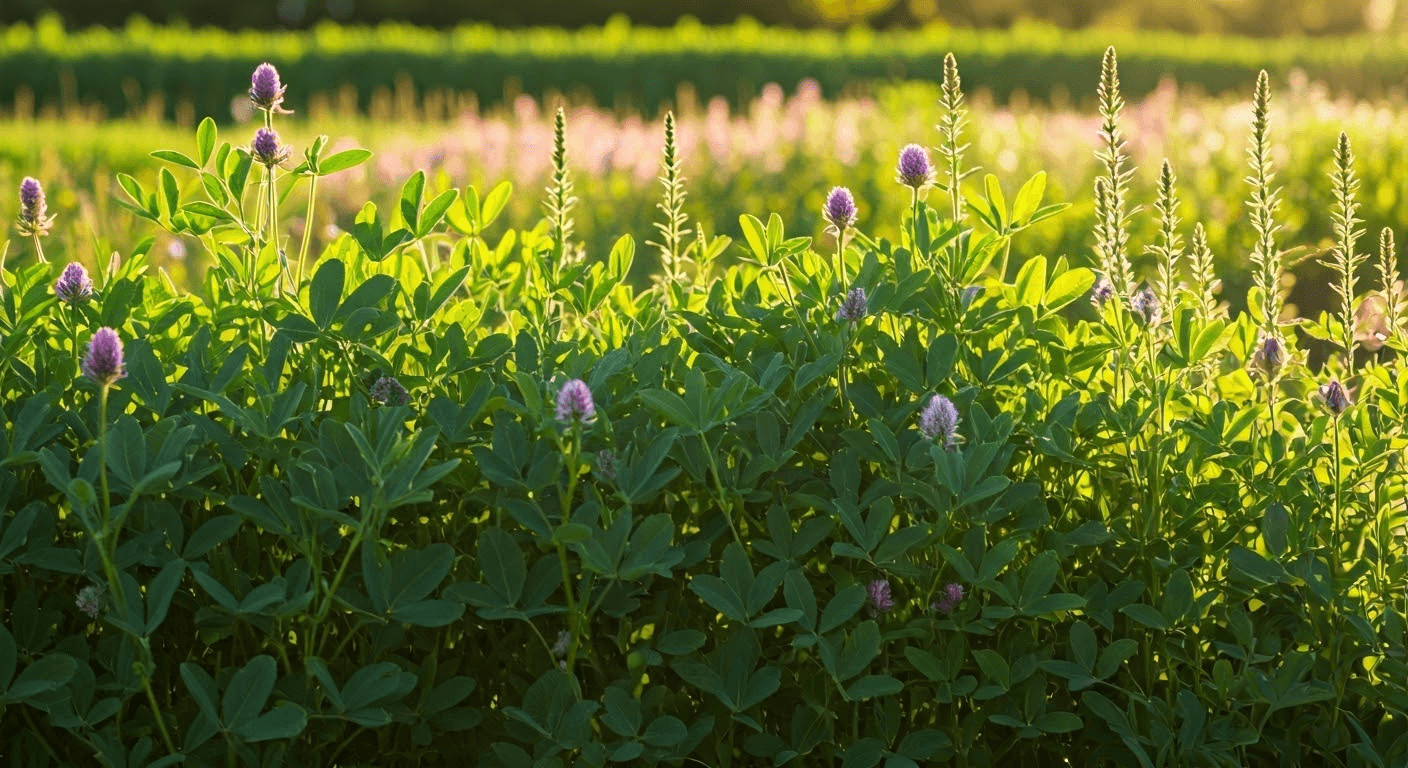
Alfalfa (Medicago sativa) is another noteworthy member of the Fabaceae family, known for its deep root system, which can extend several feet into the ground. This extensive root network not only allows alfalfa to access water and nutrients from deeper soil layers but also helps break up compacted soil and supports the growth of small tree species.
3. Actinorhizal Plants: Alders and Casuarinas

Venturing beyond legumes, we encounter actinorhizal plants, a fascinating group known for their nitrogen-fixing abilities, including New Jersey tea. These remarkable plants have forged a symbiotic relationship with Frankia bacteria, which form nodules on their root systems. This partnership allows them to thrive in nitrogen-poor soils, making them pioneers in challenging environments.
Alders, with their characteristic cone-like structures, are commonly found in moist areas and are known for their rapid growth and ability to improve soil structure. Their nitrogen-fixing abilities contribute significantly to the health of riparian ecosystems.
Casuarinas, on the other hand, are well-adapted to arid and coastal regions, thanks to their tolerance for drought and salinity. Their needle-like foliage resembles that of pine trees, and they are valued for their windbreak properties and ability to stabilize sand dunes, similar to the characteristics of the texas mountain laurel.
4. Non-Leguminous Plants: Azolla and Anabaena
Remarkably, nitrogen-fixing prowess extends beyond terrestrial plants, with Azolla, Ceanothus americanus, and Anabaena showcasing the wonders of aquatic nitrogen fixation. Azolla, a tiny floating fern, harbors Anabaena azollae, a cyanobacterium known for its impressive nitrogen fixation rates. This symbiotic duo is particularly significant in rice paddies, where Azolla is often used as a natural fertilizer and weed suppressor.
As a green manure, Azolla decomposes rapidly, releasing the accumulated nitrogen into the water, benefiting the rice plants. This remarkable partnership between a fern and a cyanobacterium highlights the diverse ways in which nitrogen fixation occurs in nature, enriching ecosystems beyond terrestrial boundaries.
Incorporating such nitrogen-fixing plants in crop rotations and water management strategies can contribute to sustainable agriculture, reducing reliance on chemical fertilizers and promoting ecological balance.
The Importance of Nitrogen Fixing Plants in Your Garden
Nitrogen fixing plants play a crucial role in maintaining a healthy and productive garden by naturally enriching the soil with nitrogen, an essential nutrient for plant growth and development. As these plants grow, they absorb nitrogen from the air and convert it into a usable form, reducing the need for synthetic fertilizers, which can have detrimental effects on the environment.
Beyond their nitrogen-fixing ability, these plants offer multiple benefits. They improve soil structure by increasing organic matter content, enhancing drainage and aeration. Their deep roots help prevent erosion and bring nutrients from deeper soil layers, making them available to other plants. By incorporating nitrogen-fixing plants into your garden, you create a more sustainable and resilient ecosystem.
Enhancing Soil Fertility Naturally
Nitrogen-fixing plants are nature's alchemists, transforming unusable atmospheric nitrogen into readily available nutrients for other plants. Their roots are home to nitrogen-fixing bacteria that work in harmony to convert nitrogen gas into ammonia and other nitrogenous compounds. This process enriches the soil with vital nutrients, promoting healthy plant growth without the need for synthetic fertilizers.
As nitrogen-fixing plants grow and mature, they shed leaves, stems, and roots, further contributing to soil fertility. This organic matter decomposes, releasing nutrients back into the soil, creating a natural fertilizer that improves soil structure, water retention, and overall fertility. By harnessing the power of nitrogen-fixing plants, we tap into a sustainable and eco-friendly solution to enhance soil conditions, benefiting our gardens and the environment.
The natural fertilization provided by these plants not only benefits the immediate vicinity but also extends its generosity to neighboring plants as nutrients gradually disperse through the soil.
Reducing the Need for Chemical Fertilizers
Chemical fertilizers, while offering a quick fix for soil fertility, come with a hefty environmental price tag. Their production consumes significant energy, relies on non-renewable resources, and releases harmful greenhouse gases. Furthermore, excessive use of chemical fertilizers can contaminate water sources, disrupt soil ecosystems, and lead to nutrient imbalances.
Nitrogen-fixing plants offer an elegant and sustainable alternative. By naturally replenishing soil nitrogen, they reduce the dependence on chemical fertilizers, minimizing their negative environmental impact. This eco-friendly approach to soil enhancement promotes a healthier planet by reducing pollution, conserving resources, and fostering biodiversity.
Embracing nitrogen-fixing plants is a testament to our commitment to sustainable practices. By utilizing their natural abilities, we reduce our ecological footprint and contribute to a greener, healthier future for ourselves and generations to come.
How to Incorporate Nitrogen Fixing Plants into Your Landscape
Incorporating nitrogen-fixing plants into your landscape is a simple yet impactful way to enhance soil fertility and promote a thriving ecosystem. Whether you have a sprawling garden or a small urban balcony, there are nitrogen-fixing plants suitable for every space.
From integrating them into vegetable gardens to utilizing them as ground covers or hedges, the possibilities are endless. By strategically incorporating these plants, you can harness their nitrogen-fixing prowess to create a healthier, more vibrant landscape.
Companion Planting Strategies
Companion planting, the art of strategically pairing plants with complementary characteristics, is an excellent way to maximize the benefits of nitrogen-fixing species. By planting nitrogen-fixing companions alongside other plants, you can enhance their growth, deter pests, and create a more biodiverse and resilient garden ecosystem.
Here are some companion planting strategies:
-
Legumes with Vegetables: Plant beans or peas alongside nitrogen-loving vegetables such as tomatoes, peppers, and corn.
-
Clovers as Ground Covers: Interplant white clover with strawberries to provide nitrogen and suppress weeds.
-
Trees and Shrubs: Incorporate nitrogen-fixing trees like alders or locusts as windbreaks or shade providers in orchards or fruit gardens.
Remember that companion planting is about fostering beneficial relationships between plants. Observe your garden, experiment with different combinations, and enjoy the rewards of a harmonious and productive plant community.
Creating a Nitrogen-Rich Garden Bed
Creating a nitrogen-rich garden bed sets the stage for healthy and vigorous plant growth. Begin by preparing the bed thoroughly, removing weeds, and loosening the soil to ensure proper drainage. Incorporating organic matter, such as compost or aged manure, is crucial, as it improves soil structure, water retention, and provides a food source for beneficial soil microorganisms.
Next, choose a variety of nitrogen-fixing plants suitable for your climate and garden design. Here's a simple table to guide your selection:
Plant Type Examples Benefits Legumes Peas, beans, clover, alfalfa Rapid nitrogen fixation, edible yields, improve soil structure Trees and Shrubs Alder, locust, ceanothus, autumn olive Long-term nitrogen fixation, shade, windbreaks, enhance biodiversity Aquatic Plants Azolla, Anabaena Nitrogen fixation in water gardens, reduce algae growth, provide habitat
Planting a mix of these nitrogen fixers ensures a continuous supply of nitrogen throughout the growing season.
Nitrogen-fixing plants, particularly legumes, play a crucial role in enhancing soil fertility by converting atmospheric nitrogen into a form that can be utilized by other plants, thereby improving nutrient availability in the soil.
Conclusion
Incorporating nitrogen-fixing plants into your landscape not only enriches the soil naturally but also reduces the reliance on chemical fertilizers, benefiting both your garden and the environment. From legumes like peas and beans to non-leguminous plants such as Azolla and Anabaena, a diverse selection can elevate your gardening experience. By implementing companion planting strategies and creating nitrogen-rich garden beds, you can create a thriving ecosystem that sustains itself. Embrace the sustainable benefits of nitrogen-fixing plants in your garden today for a greener tomorrow.
Frequently Asked Questions
What Are Nitrogen Fixing Plants and Why Are They Important?
Nitrogen-fixing plants are essential for soil health because they play a vital role in the nitrogen cycle. They host symbiotic bacteria in their roots that convert atmospheric nitrogen into usable forms, ensuring that plants have sufficient nitrogen for growth and development.