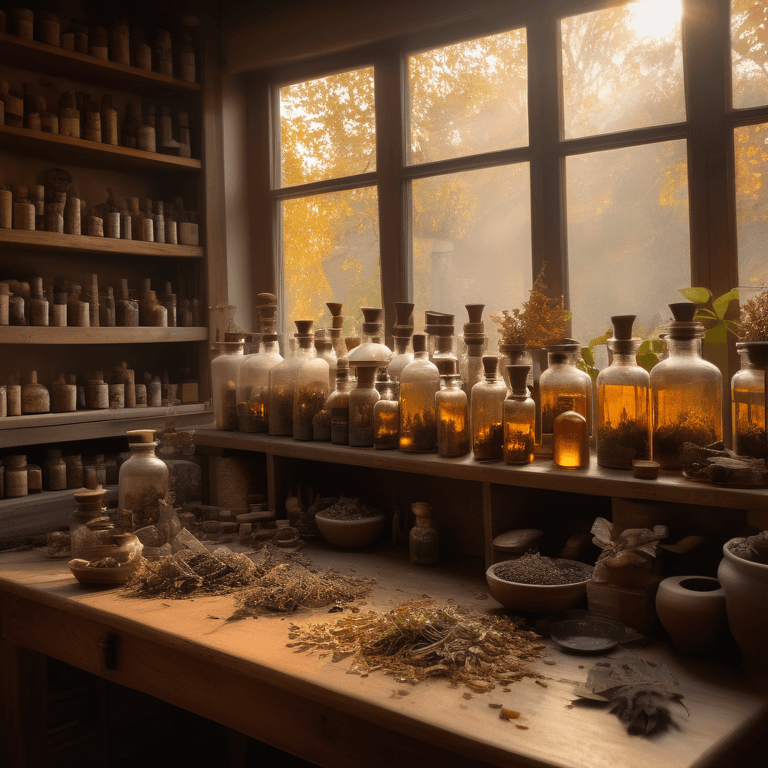

Discover the Power of Medicinal Herbs
Introduction
Medicinal herbs, brimming with natural compounds offering a range of health benefits, have played a pivotal role in healthcare for millennia. From ancient traditions to modern applications, these potent plants provide a holistic approach to well-being. While integrating medicinal herbs into your wellness routine can be empowering, consulting with a knowledgeable healthcare provider is essential to ensure safe and effective use. Understanding potential interactions, appropriate dosages, and sourcing quality products are crucial for harnessing the full potential of these natural remedies.
The Renaissance of Medicinal Herbs in Modern Healthcare

Herbal medicine, once relegated to the fringes of healthcare, is experiencing a resurgence in popularity. As modern science delves deeper into the complex world of plant compounds, the efficacy of traditional medicines is gaining recognition. This renewed interest is fueled by a growing desire for natural and holistic healthcare solutions that address the root causes of ailments rather than merely suppressing symptoms.
Modern healthcare practitioners are increasingly incorporating herbal medicine into their practices, recognizing its potential to complement conventional treatments and promote overall well-being. This movement signifies a shift towards a more integrative approach to healthcare, where the wisdom of ancient traditions is embraced alongside modern scientific advancements.
Bridging Ancient Wisdom and Contemporary Science
For centuries, cultures around the world have relied on the healing power of plants. This ancient wisdom, passed down through generations, forms the foundation of traditional medicine systems. Today, contemporary science is verifying the efficacy of these time-tested remedies, providing scientific evidence for their effectiveness.
Through rigorous clinical trials and research studies, scientists are identifying the active compounds in medicinal herbs and understanding their mechanisms of action. This exploration is bridging the gap between ancient wisdom and modern medicine, validating the traditional uses of herbs while uncovering new applications.
The synergy between traditional knowledge and scientific validation paves the way for a more holistic and integrated approach to healthcare, where the power of nature is harnessed to promote well-being. This convergence of ancient practices and modern methodologies has the potential to revolutionize the way we approach health and healing.
Understanding the Surge in Herbal Medicine Popularity
The growing popularity of herbal medicine can be attributed to several factors, including a desire for natural alternatives to pharmaceuticals, a holistic view of health and wellness, and an increasing awareness of the side effects associated with certain conventional medications. Moreover, people are seeking out treatments that address the root causes of their health concerns, recognizing the interconnectedness of mind, body, and spirit.
This shift towards natural remedies reflects a growing disillusionment with a solely symptom-based approach to healthcare. Individuals are taking charge of their well-being by incorporating herbal medicine into their self-care routines.
It's important to note that, while herbal medicine offers a natural approach to health, it's not a replacement for conventional medicine. Consulting with a healthcare provider is crucial to determine the appropriate use of herbal remedies and ensure they align with your overall healthcare plan.
Highlighting Key Medicinal Herbs and Their Benefits

The world of medicinal herbs is vast and diverse, with each plant offering unique properties and therapeutic benefits. From adaptogens like ashwagandha, known for its stress-relieving qualities, to potent anti-inflammatories like turmeric, there's a wealth of natural remedies to explore. Understanding the specific benefits of each herb is crucial for making informed decisions about incorporating them into your wellness routine.
Whether you're seeking relief from digestive discomfort, aiming to boost your immune system, or simply looking for ways to enhance your overall well-being, there's likely an herb that can support your journey to optimal health.
Ashwagandha: A Stress-Relief Powerhouse
Ashwagandha, also known as Withania somnifera, is an adaptogenic herb that has been used for centuries in Ayurvedic medicine to help the body adapt to stress. Renowned for its calming and rejuvenating properties, ashwagandha helps regulate the body's stress response, reducing cortisol levels and promoting a sense of balance and tranquility. This powerful herb is not merely a quick fix for stress; it nourishes the adrenal glands, supporting their ability to manage stress over time.
Beyond its stress-relieving properties, ashwagandha offers a range of additional benefits. Studies suggest that it may improve sleep quality, enhance cognitive function, and support a healthy immune response. Its ability to support the body's natural defenses against stress makes it a valuable ally in our fast-paced world.
Incorporating ashwagandha into your daily routine can provide multifaceted support for your overall well-being. Whether taken in capsule form, as a powder added to smoothies, or enjoyed as a soothing tea, this versatile herb offers a gentle yet effective approach to stress management.
Turmeric: The Golden Spice of Healing
Turmeric, the golden spice celebrated for its vibrant color and earthy flavor, is more than just a culinary staple. This ancient spice, a cornerstone of traditional medicine systems, boasts potent anti-inflammatory properties, attributed to its active compound, curcumin. Widely recognized for its ability to combat inflammation throughout the body, turmeric supports joint health, promotes healthy digestion, and may even play a role in protecting against certain chronic diseases.
Turmeric's impressive health benefits extend far beyond its anti-inflammatory effects. Research suggests that turmeric may improve brain function, support cardiovascular health, and exhibit antioxidant properties, protecting cells from damage caused by free radicals. Its versatility and wide-ranging benefits make it a valuable addition to any wellness regimen.
Whether incorporated into your diet through culinary creations, taken in supplement form, or applied topically as a paste, turmeric offers a natural and holistic approach to enhancing well-being. Its vibrant color and earthy flavor add a touch of vibrancy and depth to both your plate and your health journey.
Lavender: More Than Just a Pleasant Scent
Lavender, with its delicate purple blooms and soothing aroma, is often associated with relaxation and tranquility. While its delightful scent is certainly calming, lavender offers more than just olfactory pleasure. Extracted from the plant's flowers, lavender essential oil possesses therapeutic properties that can benefit both body and mind.
Research has shown that lavender oil can promote relaxation, improve sleep quality, and reduce feelings of anxiety. Its calming effects on the nervous system make it a valuable ally in managing stress and promoting a sense of well-being. Lavender's versatility extends beyond aromatherapy, as it can be found in a variety of forms, including lotions, soaps, and teas.
Whether used aromatically, topically, or incorporated into your personal care products, lavender offers a gentle and effective approach to enhancing relaxation and promoting restful sleep. Its soothing aroma and therapeutic properties can transform your daily routines into moments of tranquility and self-care.
The Science Behind Medicinal Herbs
The efficacy of medicinal herbs lies in their rich and complex chemical compositions. These plants contain a myriad of active ingredients, including alkaloids, flavonoids, and terpenes, each with its unique set of properties that interact with the human body. Scientific research is continuously unraveling the mysteries of these plant compounds, revealing their potential to support various physiological functions.
Understanding how these active ingredients interact with our bodies, influencing pathways involved in inflammation, immunity, and hormone regulation, provides valuable insights into the therapeutic benefits of medicinal herbs.
How Herbs Interact With the Human Body
Medicinal herbs contain a vast array of active ingredients that interact with the human body in complex ways, influencing various physiological processes. These compounds can exhibit a wide range of effects, from reducing inflammation to regulating blood pressure. Understanding these interactions is key to unlocking the therapeutic potential of herbal medicine.
Some herbs, for instance, contain compounds that bind to specific receptors in the body, triggering a cascade of events that can lead to desired outcomes such as pain relief or relaxation. Others may interact with enzymes or hormones, modulating their activity to restore balance and promote well-being. The diversity of active ingredients and their mechanisms of action contribute to the versatility of herbal medicine in addressing a wide spectrum of health concerns.
For example, the active compounds in ginger, such as gingerols, have been shown to have anti-inflammatory effects, which contribute to its ability to alleviate nausea and soothe digestive discomfort. Similarly, the alkaloids found in chamomile, such as apigenin, interact with the nervous system, promoting relaxation and sleep.
Clinical Studies and Evidence-Based Benefits
The increasing recognition of herbal medicine's efficacy is driven by a growing body of clinical trials and evidence-based research. Scientists are conducting rigorous studies to evaluate the safety and effectiveness of medicinal herbs, providing valuable insights into their therapeutic benefits. These studies, often involving randomized controlled trials, adhere to high scientific standards, ensuring reliable and unbiased results.
This evidence-based approach is crucial for legitimizing the use of herbal medicine and integrating it into mainstream healthcare practices. As researchers continue to explore the potential of medicinal herbs, we can expect to see more evidence supporting their use in addressing a wide range of health conditions.
Furthermore, clinical trials help to establish optimal dosages, identify potential side effects, and investigate interactions with other medications, ensuring the safe and effective use of herbal remedies. This scientific rigor is essential for bridging the gap between traditional knowledge and modern medicine, advancing the field of herbal medicine and solidifying its place in the future of healthcare.
Incorporating Medicinal Herbs into Your Daily Routine
Integrating medicinal herbs into your daily routine can be an enriching and empowering experience, allowing you to connect with the healing power of nature. From soothing herbal teas to potent extracts, there are myriad ways to incorporate these beneficial plants into your life. Whether you're seeking stress relief, immune support, or simply a natural way to enhance your well-being, there's a world of herbal remedies to explore.
However, it's essential to approach herbal medicine with a mindful and informed perspective. Choosing high-quality products from reputable sources and understanding proper dosages are crucial for ensuring safety and maximizing efficacy.
Herbal Teas: A Simple Start
Incorporating herbal teas into your daily routine offers a simple and enjoyable way to experience the benefits of medicinal herbs. Sipping on a warm cup of chamomile tea before bed can promote relaxation and improve sleep quality, while a ginger tea can soothe an upset stomach after a meal. With a wide variety of herbs available, you can customize your tea selection to address specific health conditions or simply enjoy their unique flavors.
Herbal teas offer a gentle and effective way to introduce medicinal herbs into your life. Unlike highly concentrated extracts or supplements, herbal teas provide a more subtle way to experience the therapeutic properties of plants. They're also incredibly versatile, allowing you to blend different herbs to create personalized blends that cater to your taste preferences and desired health benefits.
To make your own herbal tea, simply steep a teaspoon of dried herbs in hot water for 5-10 minutes. Alternatively, many pre-packaged tea bags are readily available, offering convenience without sacrificing quality. Experiment with different herbs and blends to find what works best for you.
Supplements: What You Need to Know
Herbal supplements, available in various forms such as capsules, tinctures, and powders, offer a convenient and concentrated way to incorporate medicinal herbs into your wellness routine. These supplements allow for precise dosage control and can be particularly beneficial when dealing with specific health concerns or when the desired dosage is difficult to obtain through food sources alone.
However, it's crucial to exercise caution when using herbal supplements. While they are derived from natural sources, they can still have potent effects on the body and may interact with certain medications. Always consult with a healthcare provider before starting any new supplements, especially if you have underlying health conditions or are pregnant or breastfeeding.
When choosing herbal supplements, opt for reputable brands that prioritize quality and transparency. Look for products that are third-party tested to ensure purity and potency. Additionally, start with a low dose and gradually increase it as needed, always following the recommended dosage guidelines on the product label.
Cooking with Herbs: Flavorful and Healthy
Cooking with herbs infuses your dishes with vibrant flavors while simultaneously enhancing their nutritional value. From the earthy aroma of rosemary to the citrusy zest of lemon balm, incorporating culinary herbs into your cooking not only elevates the taste but also introduces a dose of health-promoting compounds. Turmeric, renowned for its anti-inflammatory properties, adds warmth and depth to curries and soups, while basil, a good source of antioxidants, brightens up pastas and salads.
Herbs are low in calories and rich in vitamins, minerals, and antioxidants, making them a nutritious addition to any meal. Adding a sprinkle of parsley to your plate provides a boost of vitamins K and C, while oregano, a rich source of antioxidants, can enhance flavor and support immune health.
Experiment with different herbs to discover new favorites and create flavorful combinations. Embrace the culinary and medicinal potential of herbs, transforming your meals into delicious and nourishing experiences that nourish both body and soul.
The Role of Medicinal Herbs in Preventative Health
Medicinal herbs play a significant role in preventative health, offering natural ways to bolster the body's defenses and support overall well-being. By incorporating herbs into our daily routines, we can strengthen our immune systems, manage stress levels, and promote healthy aging, reducing the risk of developing chronic illnesses.
Rather than simply masking symptoms, herbal medicine empowers individuals to take a proactive approach to their health. By nurturing our bodies with the power of nature, we can build resilience and cultivate a foundation of vitality, paving the way for a healthier and more vibrant future.
Boosting Immunity with Herbs
A robust immune system is our first line of defense against pathogens and environmental toxins. Herbal remedies offer a natural way to bolster our immune defenses and enhance our body's ability to fight off infections. Certain herbs possess potent antiviral, antibacterial, and antifungal properties, making them valuable allies in preventing and managing illnesses.
For example, echinacea, a popular herb known for its immune-boosting effects, has been shown to reduce the duration and severity of colds. Elderberry, rich in antioxidants and flavonoids, may also support the immune system and reduce symptoms of respiratory infections. Incorporating these herbs into your diet, whether through teas, syrups, or supplements, can provide valuable support for your immune system, especially during cold and flu season.
However, it's important to note that herbal remedies should not be considered a replacement for conventional medical treatment. If you have concerns about your immune health or suspect you may have an infection, it's crucial to consult with healthcare providers for proper diagnosis and treatment.
Herbs for Stress Management and Relaxation
In today's fast-paced world, stress has become an all-too-common experience, affecting our physical, mental, and emotional well-being. Herbal remedies offer a gentle and effective approach to stress management, promoting relaxation, reducing anxiety, and fostering a sense of inner peace. Adaptogenic herbs, in particular, are renowned for their ability to support the body's stress response system, helping us adapt to challenging situations and maintain equilibrium.
Ashwagandha, as discussed earlier, is an excellent example of an adaptogenic herb that has been shown to reduce cortisol levels, the hormone associated with stress. Other calming herbs, such as chamomile, lavender, and lemon balm, possess soothing properties that can help ease tension, promote restful sleep, and restore a sense of tranquility.
Incorporating these herbs into your daily routine, whether through teas, aromatherapy, or supplements, can provide valuable support for stress management and promote a greater sense of well-being. By integrating these natural stress relievers into our lives, we can navigate life's challenges with greater ease and resilience.
Understanding the Safety and Quality of Herbal Products
While herbal medicine offers a natural approach to health and wellness, it's essential to approach it with the same level of caution and discernment as you would with any other form of healthcare. Not all herbal products are created equal, and ensuring safety and quality requires careful consideration.
By understanding the factors that contribute to quality, consumers can make informed decisions about the herbal products they choose, ensuring safety and maximizing efficacy. Remember, knowledge is power when it comes to navigating the world of herbal medicine.
Navigating the Market: What to Look For
Navigating the vast and often overwhelming market of herbal products can be challenging, especially with numerous brands and formulations available. To ensure you're choosing high-quality products, it's crucial to consider several factors. First, look for reputable brands that prioritize quality and transparency. Seek out companies that provide detailed information about their sourcing practices, manufacturing processes, and quality control measures.
Second, check for third-party certifications, such as those from the U.S. Pharmacopeia (USP) or NSF International. These certifications indicate that the product has undergone rigorous testing to verify its purity, potency, and safety. They provide an extra layer of assurance that the product meets industry standards and contains the ingredients listed on the label.
Lastly, pay attention to labeling. The label should clearly state the plant's scientific name, part of the plant used, and any other ingredients. Avoid products with vague labeling, fillers, or artificial additives. By arming yourself with knowledge and being a discerning consumer, you can make informed choices that support your well-being.
The Importance of Sourcing and Certification
The sourcing of herbal products is of paramount importance, as it directly impacts their quality, safety, and effectiveness. Ethical sourcing practices ensure that plants are harvested sustainably, preserving biodiversity and supporting the livelihoods of local communities. Look for brands that prioritize ethical sourcing and provide transparency regarding the origin of their herbs.
Certifications play a crucial role in verifying the quality and safety of herbal products. Organizations like FairWild and the Rainforest Alliance set rigorous standards for sustainable harvesting practices, fair trade, and environmental conservation. By choosing certified products, consumers can support businesses that prioritize ethical and responsible sourcing.
Additionally, third-party certifications, like those from the U.S. Pharmacopeia (USP) or NSF International, validate the quality, purity, and potency of herbal products. These certifications indicate that the product has undergone independent testing to verify its contents and ensure it meets industry standards.
Herbal Remedies for Common Ailments
Herbal remedies have been used for centuries to address a wide range of common ailments, offering natural and often effective relief from everyday health concerns. From soothing digestive discomfort to easing anxiety and promoting restful sleep, the plant kingdom provides a wealth of options for those seeking a gentler approach to healthcare.
It's important to note that herbal remedies should not be considered a replacement for conventional medical treatment. If you have persistent or concerning symptoms, it's crucial to consult with a healthcare professional for proper diagnosis and care.
Natural Solutions for Digestive Health
Maintaining optimal digestive health is essential for overall well-being. When our digestive system is functioning properly, we experience better nutrient absorption, increased energy levels, and a reduced risk of digestive discomforts. Herbal remedies offer a gentle and natural approach to supporting digestive health, providing relief from common ailments such as indigestion, bloating, and constipation.
Ginger, a well-known digestive aid, can help soothe an upset stomach, reduce nausea, and alleviate bloating. Its active compounds, gingerols, possess anti-inflammatory properties that can calm the digestive tract. Peppermint, another popular digestive herb, can help relax the muscles of the digestive system, relieving gas and bloating, while chamomile, known for its calming effects, may soothe stomach cramps and reduce inflammation in the gut.
Incorporating these herbs into your diet, whether through teas, capsules, or simply adding them to your meals, can contribute to a happier and healthier digestive system.
Herbs for Sleep and Anxiety
In today's fast-paced world, getting a good night's sleep and managing anxiety can feel like elusive goals. Fortunately, nature provides a bounty of herbal allies to support relaxation, promote restful sleep, and ease feelings of anxiousness. These gentle yet effective remedies work in harmony with the body, calming the nervous system and promoting a sense of well-being.
Valerian, a powerful herb with a long history of use for sleep disorders, has been shown to improve sleep quality and reduce the time it takes to fall asleep. Chamomile, with its calming and soothing properties, can ease anxiety, promote relaxation, and induce sleep. Lavender, known for its calming aroma, can also help reduce anxiety, improve mood, and promote peaceful sleep.
To incorporate these herbs into your sleep routine, consider enjoying a cup of chamomile or lavender tea before bed, adding a few drops of lavender essential oil to your pillowcase, or taking valerian root in capsule form.
Managing Pain and Inflammation Naturally
Pain and inflammation are natural responses to injury or illness, but when they become chronic, they can significantly impact our quality of life. While conventional pain relievers can provide temporary relief, they often come with unwanted side effects. Natural remedies, such as herbs, offer a gentler approach to pain management, addressing both the symptoms and the underlying causes of inflammation.
Turmeric, with its potent anti-inflammatory properties, is a shining star in the world of natural pain relief. Its active compound, curcumin, has been shown to reduce pain and inflammation in a variety of conditions, including arthritis, joint pain, and muscle soreness. Ginger, another powerful anti-inflammatory, can help alleviate menstrual cramps, headaches, and muscle pain.
By incorporating these herbs into your diet, whether through cooking, teas, or supplements, you can tap into their natural pain-relieving and anti-inflammatory properties.
The Future of Medicinal Herbs in Healthcare
As scientific research continues to validate the efficacy of traditional herbal medicine, its integration into mainstream healthcare practices is poised to expand. The future of healthcare is likely to embrace a more holistic and integrative approach, recognizing the value of both conventional and complementary therapies.
The growing body of evidence supporting the use of medicinal herbs, coupled with an increasing demand for natural and holistic healthcare options, suggests that herbal medicine will play an increasingly vital role in shaping the future of health and wellness.
Innovations in Herbal Medicine Research
The field of herbal medicine is constantly evolving, driven by innovative research that seeks to uncover the full potential of medicinal plants. Scientists are exploring new frontiers in herbal medicine, utilizing cutting-edge technologies to identify, isolate, and analyze active compounds in plants, unraveling the complex mechanisms of action behind their therapeutic properties. This research is paving the way for the development of novel herbal remedies with enhanced efficacy and targeted applications.
Innovations in extraction methods are also playing a significant role in advancing herbal medicine. Scientists are developing more sophisticated techniques to extract and concentrate active compounds from plants, enhancing their potency and bioavailability. These advancements are leading to the creation of new herbal formulations with improved absorption rates and targeted delivery systems.
Furthermore, researchers are investigating the synergistic effects of combining different herbs, exploring how traditional knowledge of herbal formulations can be validated and optimized through scientific methods. This integrative approach to research is unlocking new possibilities and expanding the therapeutic potential of herbal medicine.
Integrating Herbal Therapies into Mainstream Medicine
There's a growing movement to integrate herbal therapies into mainstream medicine, recognizing the value of a more holistic and personalized approach to healthcare. Many healthcare practitioners are embracing the concept of integrative medicine, which combines conventional medical treatments with evidence-based complementary therapies, such as herbal medicine, acupuncture, and yoga. This approach aims to address the whole person -- mind, body, and spirit -- rather than just focusing on individual symptoms.
Integrating herbal therapies into mainstream medicine offers numerous benefits. First, it provides patients with a wider range of healthcare options, allowing for more personalized treatment plans. Second, it empowers patients to take a more active role in their healthcare, encouraging self-care practices and lifestyle modifications. Third, it acknowledges the interconnectedness of body systems and considers the underlying causes of illness, rather than just treating symptoms.
While challenges remain in terms of standardization, regulation, and insurance coverage, the movement towards integrative medicine is gaining momentum, offering hope for a future where herbal therapies are widely accepted and accessible as part of a comprehensive healthcare approach.
Case Studies: Success Stories with Medicinal Herbs
The power of medicinal herbs is perhaps most compellingly illustrated through real-life case studies, showcasing the transformative effects these natural remedies can have on individual health journeys. From alleviating chronic pain to improving sleep quality and boosting overall well-being, these stories offer inspiring examples of how herbal medicine can make a tangible difference.
These case studies highlight the personalized nature of herbal medicine, emphasizing the importance of working with knowledgeable practitioners to determine the most appropriate herbs and dosages for individual needs.
From Chronic Illness to Renewed Health
Case studies involving individuals with chronic illnesses often reveal the remarkable potential of medicinal herbs in supporting the body's innate healing capabilities. While herbal medicine should never be seen as a replacement for conventional medical treatment, it can play a valuable complementary role in managing symptoms, improving quality of life, and potentially even slowing disease progression.
For example, studies have shown that turmeric can help reduce inflammation and pain in individuals with rheumatoid arthritis, a chronic autoimmune disorder. Similarly, ginger has been found to alleviate nausea and vomiting in cancer patients undergoing chemotherapy. While more research is needed, these case studies offer encouraging evidence of the potential benefits of herbal remedies for those living with chronic illnesses.
It's important to emphasize that every individual is unique, and what works for one person may not work for another. Therefore, it's crucial to work closely with a qualified healthcare professional to determine the most appropriate herbal approach for your specific situation.
Enhancing Wellness with Herbal Supplements
Beyond addressing specific health conditions, herbal supplements can play a powerful role in enhancing overall wellness, supporting vitality, energy levels, and emotional well-being. Countless success stories highlight how incorporating herbal supplements into daily routines can contribute to a greater sense of balance, mental clarity, and overall vitality.
For instance, individuals struggling with stress and fatigue often report significant improvements after incorporating adaptogenic herbs like ashwagandha and rhodiola into their regimens. These herbs help the body adapt to stress, promoting a sense of calm, improving energy levels, and enhancing mental focus. Others have found relief from digestive discomforts and improved gut health through the use of probiotics and digestive enzymes.
These success stories highlight the importance of taking a holistic approach to wellness, recognizing that true health encompasses physical, mental, and emotional well-being. Herbal supplements, when used responsibly and in conjunction with a healthy lifestyle, can play a valuable role in supporting our overall health and vitality.
The Global Influence of Medicinal Herbs
Medicinal herbs have transcended geographical boundaries, influencing healthcare practices across the globe for centuries. From the ancient traditions of Traditional Chinese Medicine and Ayurveda to indigenous healing practices in the Americas and Africa, herbal remedies have played an integral role in shaping healthcare systems and cultural practices worldwide.
The global exchange of knowledge surrounding medicinal herbs continues to enrich our understanding of plant medicine and its potential to address diverse health concerns.
Traditional Chinese Medicine (TCM) and Its Global Reach
Traditional Chinese Medicine (TCM) has gained global recognition for its holistic approach to healing using medicinal herbs and plants. Rooted in ancient traditions, TCM not only treats ailments but also focuses on preventing health issues. Its widespread popularity extends far beyond China, influencing healthcare practices in Western countries. The intricate balance of yin and yang, as well as the concept of qi, resonates with people seeking alternative medicinal options worldwide. TCM's emphasis on individualized treatment plans and addressing the root cause of ailments continues to attract a diverse range of health-conscious individuals.
Ayurveda: India's Ancient Healthcare System
Ayurveda, meaning "the science of life," is an ancient Indian system of medicine that dates back over 5,000 years. As one of the world's oldest holistic healing systems, Ayurveda emphasizes the interconnectedness of mind, body, and spirit, focusing on restoring balance to achieve optimal health and well-being. Herbal remedies are an integral part of Ayurveda, with each plant carefully categorized based on its energetic properties and its effects on the body's doshas -- Vata, Pitta, and Kapha.
Ayurvedic practitioners personalize treatments, taking into account an individual's unique constitution and imbalances, prescribing herbal remedies, dietary recommendations, lifestyle changes, and other modalities to restore harmony and promote healing. Ayurveda's profound wisdom and practical applications have captivated people worldwide, contributing to its growing popularity beyond India.
As more individuals embrace a holistic view of health, Ayurveda's influence continues to expand globally, offering valuable insights into the interconnectedness of mind, body, and spirit, and providing time-tested remedies to restore balance and enhance well-being.
DIY Herbal Remedies and Precautions
Creating your own herbal remedies at home can be a rewarding and empowering experience, allowing you to connect with the healing power of plants on a deeper level. From crafting soothing herbal teas and infusions to preparing topical salves and balms, the possibilities for DIY herbal remedies are endless.
However, it's crucial to approach DIY herbalism with caution and respect for the potency of plants. Before experimenting with herbal remedies, thoroughly research the properties of the herbs you plan to use, ensure they are safe for consumption or topical application, and start with small doses to assess your tolerance.
Crafting Your Own Herbal Teas and Tinctures
Crafting your own herbal teas and tinctures allows for personalized blends tailored to your specific health needs and preferences. Herbal teas are a simple and enjoyable way to incorporate the beneficial properties of plants into your daily routine. To make an herbal tea, simply steep a teaspoon of dried herbs in hot water for 5-10 minutes, strain, and enjoy.
For a more concentrated herbal preparation, consider making a tincture. Tinctures are made by steeping herbs in alcohol or vinegar for several weeks, extracting their medicinal properties into a potent liquid form. The standard ratio for making tinctures is 1:5, meaning one part herb to five parts liquid.
When selecting herbs for your teas or tinctures, choose high-quality, organic herbs from reputable suppliers. Experiment with different combinations to create blends that appeal to your taste buds and support your well-being. Whether you're seeking a soothing bedtime tea or an invigorating morning tonic, the possibilities for DIY herbal creations are endless.
Safety Tips for Home Herbal Remedy Use
While herbal remedies are generally safe when used responsibly, it's essential to prioritize safety when experimenting with home remedies. Always consult with a qualified healthcare professional before using herbs medicinally, especially if you have underlying health conditions, are pregnant, breastfeeding, or taking medications.
When sourcing herbs for home remedies, prioritize quality and purity. Opt for organic herbs whenever possible to avoid exposure to pesticides and herbicides. If you're foraging for herbs in the wild, ensure you've correctly identified the plant and are harvesting from a clean and uncontaminated area.
When preparing home remedies, follow recipes carefully and use precise measurements. Start with small doses to assess your tolerance and be aware of potential side effects or allergic reactions. Store herbal preparations properly in airtight containers, away from direct sunlight and heat, to preserve their potency and freshness.
The Environmental Impact of Cultivating Medicinal Herbs
As the demand for medicinal herbs continues to rise, it's essential to consider the environmental impact of their cultivation. Sustainable farming practices play a crucial role in ensuring the long-term viability of herbal medicine, protecting biodiversity, preserving ecosystems, and mitigating the carbon footprint of herb production.
By supporting companies that prioritize sustainable and ethical sourcing practices, consumers can contribute to a more environmentally responsible herbal medicine industry.
Sustainable Farming Practices for Herb Cultivation
Sustainable farming practices are crucial for minimizing the environmental impact of herb cultivation and ensuring the long-term viability of these valuable resources. Organic farming methods, which prohibit the use of synthetic pesticides, herbicides, and fertilizers, protect the soil, water, and biodiversity, creating a healthier and more sustainable agricultural ecosystem.
Crop rotation, a key principle of sustainable agriculture, helps to prevent soil depletion and reduce the risk of pests and diseases. By alternating crops from year to year, farmers can replenish soil nutrients and create a more balanced ecosystem. Water conservation is also essential in sustainable herb cultivation, especially in arid and semi-arid regions. Implementing water-efficient irrigation systems and practicing drought-tolerant farming techniques help conserve precious water resources.
By prioritizing sustainable farming practices, we can
Preserving Biodiversity Through Ethical Sourcing
Medicinal herbs and plants play a vital role in traditional Chinese medicine (TCM) globally. Preserving biodiversity through ethical sourcing is crucial for the sustainability of herbal remedies. By ethically sourcing these natural resources, we can protect the rich variety of medicinal plants and herbs for future generations. This approach ensures that we maintain a balance in nature while supporting the availability of these valuable resources. Ethical practices in sourcing not only safeguard the environment but also contribute to the effectiveness and authenticity of herbal medicine.
Debunking Myths About Medicinal Herbs
Misconceptions surround medicinal herbs, perpetuating myths that hinder their widespread acceptance. Separating fact from fiction is crucial in understanding their true potential. Despite common misconceptions, scientific evidence supports the health benefits of herbal remedies. Debunking these myths involves addressing concerns like potential side effects and allergies. While some believe herbal medicine lacks regulation, the truth is that the FDA oversees aspects of production and distribution. By debunking myths, we can appreciate the value of these natural remedies and incorporate them safely into our healthcare routines.
Separating Fact from Fiction
There is a pervasive mix of truths and misconceptions surrounding medicinal herbs and plants. Separating fact from fiction is crucial for informed decision-making. Scientific evidence supports the health benefits of many herbs, but exaggerated claims and myths can cloud their true potential. Understanding the medicinal properties and active ingredients is essential to grasp their actual effects. With proper dosage and guidance from a healthcare provider, herbal remedies can offer valuable support for various health conditions. By debunking myths and ensuring accurate information dissemination, we can harness the true power of medicinal herbs.
Addressing Common Misconceptions
Misconceptions surrounding medicinal herbs and plants often stem from outdated beliefs or lack of scientific knowledge. One common misconception is that all herbal remedies are entirely safe, overlooking potential side effects or interactions with other medications. Additionally, some people believe that natural equals harmless, failing to recognize that even herbal supplements can have potent effects. Understanding the importance of consulting a healthcare provider before starting any herbal regimen is crucial to ensure safety and efficacy. By addressing and dispelling these misconceptions, individuals can make informed choices regarding the use of medicinal herbs.
The Regulatory Landscape for Medicinal Herbs in the United States
The regulatory landscape for medicinal herbs in the United States is guided by the FDA guidelines, ensuring the safety and efficacy of herbal remedies. Clinical trials play a crucial role in substantiating health benefits and validating medicinal properties. Consumers are advised to consult their healthcare providers to understand potential side effects and proper dosage. By adhering to regulations, such as those set by the FDA, the medicinal use of herbs is supported by scientific evidence, promoting responsible consumption and informed decision-making.
FDA Guidelines and What They Mean for Consumers
Understanding the FDA guidelines is crucial for consumers navigating the world of medicinal herbs and plants. The FDA regulates herbal supplements as food rather than drugs, which means they are not subject to the same rigorous testing as pharmaceuticals. Consumers should be aware that the FDA does not evaluate these supplements for effectiveness before they are marketed. It's essential to consult with a healthcare provider before using any herbal remedies, especially if you have underlying health conditions or are taking other medications.
The Role of Clinical Trials and Research
Clinical trials and research play a pivotal role in understanding the efficacy and safety of medicinal herbs and plants. By conducting rigorous studies, researchers can ascertain the potential health benefits, appropriate dosages, and possible side effects associated with herbal remedies. These trials provide valuable insights into how these natural substances interact with the body and can help healthcare providers make informed decisions when recommending herbal supplements to patients. Additionally, clinical research helps in establishing the scientific evidence supporting the traditional uses of medicinal herbs, bridging the gap between ancient wisdom and modern healthcare practices.
Conclusion
In the world of medicinal herbs and plants, it is crucial to separate fact from fiction when exploring their health benefits. By debunking myths and addressing misconceptions surrounding herbal remedies, individuals can make informed choices for their well-being. Understanding the regulatory landscape, including FDA guidelines and the role of clinical trials, provides insight into the safety and efficacy of these natural treatments. With a wealth of scientific evidence supporting their medicinal properties, medicinal herbs continue to play a significant role in healthcare around the globe, offering potential solutions for various health conditions.
Frequently Asked Questions
What are the top five medicinal herbs everyone should know about?
Ginseng, Echinacea, Turmeric, Ginger, and Garlic are among the top medicinal herbs known for their various health benefits. From boosting immunity to reducing inflammation, these herbs have been used for centuries in traditional medicine practices worldwide.
How do I start using medicinal herbs responsibly?
To start using medicinal herbs responsibly, research reputable sources for information, consult with a healthcare professional for guidance on dosage and potential interactions, source ethically grown herbs, and start with small amounts to observe effects. Always prioritize safety and quality when incorporating herbs into your wellness routine.
Can medicinal herbs replace conventional medicine?
Medicinal herbs offer complementary benefits but don't entirely replace conventional medicine. They can support overall health and wellness, but certain conditions may require conventional treatments. Integrating both approaches can lead to holistic well-being.
How can I verify the quality of herbal supplements?
To verify the quality of herbal supplements, look for reputable brands with third-party testing, certifications like USP or NSF, transparent sourcing practices, and clear labeling of ingredients. Additionally, check for GMP compliance and consult healthcare professionals for guidance.
Are there any risks associated with using medicinal herbs?
While medicinal herbs offer various health benefits, there are risks associated with their usage. Potential side effects, herb-drug interactions, and variability in quality and potency are important considerations. Understanding these risks is crucial for safe and effective herbal supplementation.
Transitioning Towards a Holistic Approach to Health
Discover the shift towards a holistic approach to health within the realm of medicinal herbs. Explore how this approach integrates traditional practices with modern healthcare, emphasizing overall well-being and natural remedies.
Encouraging Further Exploration and Education in Herbal Medicine
Uncover the vast world of herbal medicine by delving into its rich history and modern applications. Discover the benefits of ongoing research and education in maximizing the potential of medicinal herbs.