
Market Gardens 101: A Beginner's Guide
Introduction
Ever wonder where that vibrant, flavorful produce at the farmers' market comes from? It's likely the result of market gardening -- a refreshing alternative to the long journey our food often takes from grocery store shelves. Market gardening emphasizes local food production on a smaller scale, emphasizing freshness, variety, and a direct connection between consumers and growers.
Understanding Market Gardening

In a world dominated by large-scale agriculture, market gardening offers a distinct approach. Instead of shipping produce across vast distances, market gardeners focus on cultivating a wide range of crops within their local communities.
This method allows for incredibly fresh, seasonal produce that often travels mere miles from farm to table. Beyond the delicious flavors, market gardening offers a sustainable and community-oriented approach to food production.
The Essence of Market Gardening
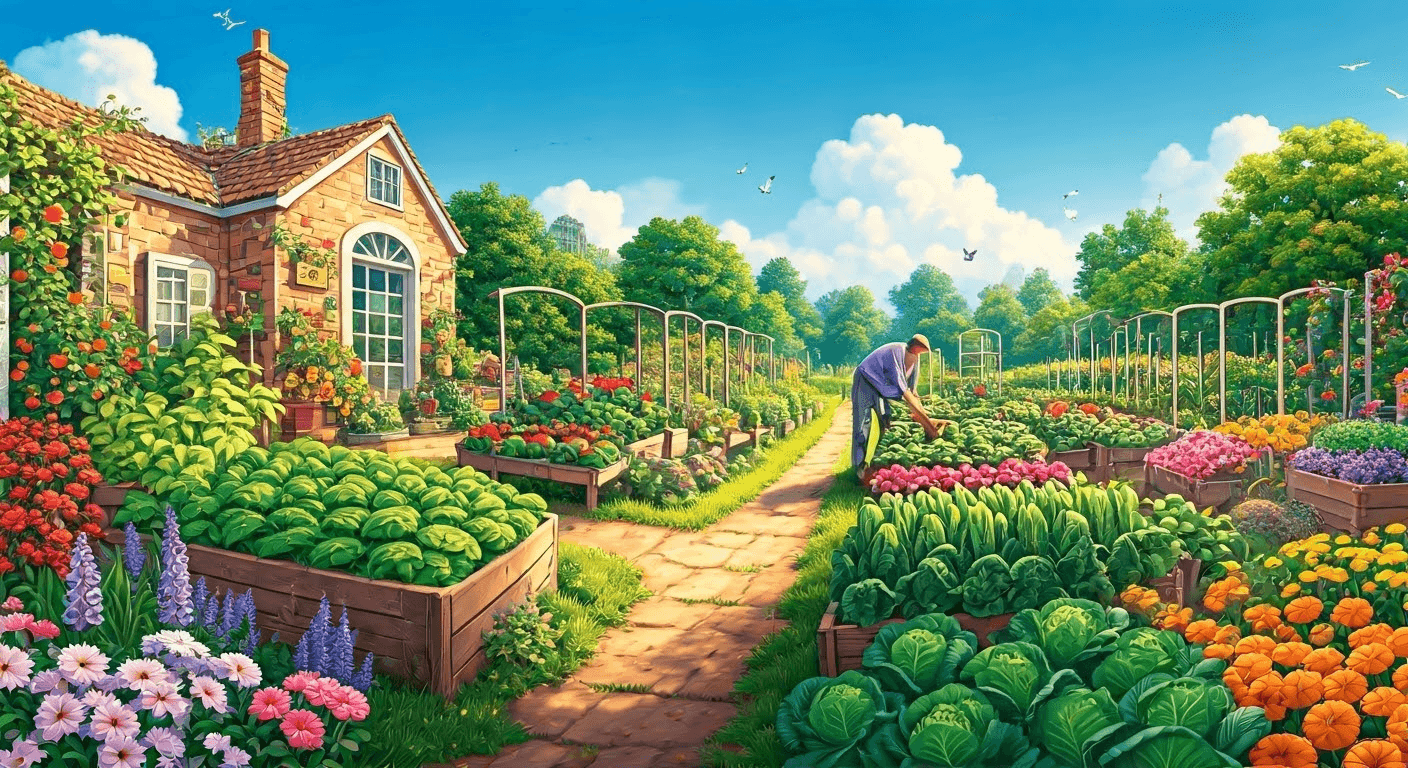
Imagine a small farm bursting with life; rows of colorful vegetables, fragrant herbs, and vibrant flowers all sharing space -- this is the essence of a market garden. It's a step beyond the typical home garden, focusing on maximizing production within a relatively limited area, all while prioritizing quality and diversity.
While commercial farms aim for mass production, market gardeners carefully select crops that will thrive in their specific climate and appeal to their local market. This often includes unique or heirloom varieties you won't find in your average grocery store.
The result? An abundance of fresh, flavorful, and locally-grown produce that nourishes both body and community.
Why Market Gardens Matter Today
In an increasingly globalized food system, market gardens offer a vital counterpoint, emphasizing the importance of local food systems. As concerns about food miles, environmental impact, and supporting local economies grow, market gardens provide a tangible solution.
While it's unrealistic to expect market gardens to single-handedly replace the production capacity of larger farms, they play a crucial role in diversifying our food sources and re-localizing production.
By choosing to buy from market gardens, consumers actively choose freshness, flavor, and a more sustainable approach to agriculture, one delicious fruit and vegetable at a time!
Preparing for Your Market Garden Journey

Ready to embark on your own market garden adventure? Creating a thriving market garden requires careful planning and execution, but the rewards are plentiful -- fresh, delicious food, a connection to the land, and the satisfaction of cultivating your own little ecosystem.
Before you grab your gardening gloves, let's equip you with some essential knowledge and tools to transform your gardening aspirations into a flourishing reality.
Essential Tools and Resources for Beginners
Market gardening emphasizes efficiency and productivity within smaller spaces. While large machinery might be impractical, there are key tools that can significantly ease the workload and boost your output.
Since most tasks involve manual labor, invest in high-quality hand tools like spades, shovels, rakes, and hoes. A sturdy wheelbarrow is also indispensable for transporting soil, compost, and harvests.
To optimize your growing area, consider square foot gardening techniques -- this method is ideal for maximizing yield in compact spaces. Remember, choose high-value crops that thrive in your climate and align with your local market demand.
Evaluating Your Space: From Backyard to Acreage
Whether you have a spacious backyard or access to a multi-acre plot of land, assessing your available space is crucial. Consider factors like sunlight exposure, soil quality, water access, and any potential microclimates within the area.
While the romantic vision of a sprawling market garden is appealing, starting smaller allows you to gain experience, refine your techniques, and gradually expand as your confidence and knowledge grow.
Remember, a well-planned market garden prioritizes diversity of crops, so even a smaller plot of land can yield an impressive variety of fresh produce.
A Step-by-Step Guide to Starting Your Market Garden
Are you ready to transform your gardening dreams into a flourishing reality? Let's break down the essential steps to launching your very own market garden, from defining your goals to nurturing your crops to their peak potential.
Follow this comprehensive guide, combining sustainable practices with smart planning, and you'll be well on your way to harvesting a bounty of success.
Step 1: Identifying Your Market Garden Goals
Before you sow your first seeds, take time to clarify your goals as a budding market gardener. What do you envision for your market garden's future? Will you focus on supplying restaurants, selling at farmers' markets, or perhaps starting a CSA (Community Supported Agriculture) program?
Visualize your ideal first year. Starting small allows for flexibility and learning as you navigate the intricacies of market gardening. Once you define your target market, you can tailor your crop selection and marketing efforts accordingly.
Remember, clarity in your vision translates into focused action, setting you up for a successful and fulfilling journey as a market gardener.
Step 2: Soil Preparation and Health
The foundation of any successful market garden lies in nurturing healthy, vibrant soil. Prioritize building soil health from the ground up -- literally! Start by conducting a soil test to analyze its composition and identify any nutrient deficiencies.
Incorporate generous amounts of organic matter like well-aged compost to improve drainage, aeration, and nutrient content. Cover cropping during the off-season not only prevents erosion but also adds beneficial nutrients back into the soil.
Remember, healthy soil translates into healthy plants, which in turn produce abundant, flavorful crops. Invest in your soil, and it will reward you tenfold.
Step 3: Choosing the Right Crops for Your Area
Selecting the right crops for your unique climate and market is essential for market garden success. Research popular crops in your region, paying attention to what thrives during different seasons.
While it's tempting to chase after the most profitable crops, prioritize varieties you're passionate about and that align with your market's demands. Don't underestimate the appeal of unique or heirloom varieties -- these often command higher prices and set you apart from the competition.
Consider incorporating ornamental plants like flowers or herbs alongside your vegetables. These add visual appeal to your market stall and can provide additional income streams.
Step 4: Planting Strategies and Techniques
Maximize your garden's potential by employing efficient planting techniques. Square foot gardening is an excellent method for smaller spaces, maximizing yield within a defined area.
Embrace the principles of companion planting, strategically pairing plants that benefit each other. For example, planting basil alongside tomatoes deters pests and enhances flavor.
Implementing crop rotation is crucial for long-term soil health and disease prevention. By alternating crop families in a specific area each season, you interrupt pest cycles and replenish soil nutrients.
Step 5: Water Management and Irrigation Basics
Consistent and efficient watering is paramount for healthy plant growth. Explore different irrigation systems, from simple soaker hoses to more elaborate drip irrigation setups, choosing the most suitable method based on your garden's size and layout.
Prioritize water conservation by watering deeply and less frequently. This encourages strong root development and minimizes water waste.
Applying a layer of organic mulch around your plants helps retain soil moisture, suppresses weed growth, and regulates soil temperature.
Managing Your Growing Season
Ah, the growing season! A time of abundant sunshine, buzzing pollinators, and the thrill of watching your hard work transform into a vibrant tapestry of edible delights.
However, a successful market garden requires proactive management throughout the season. Let's gather the knowledge and tools needed to navigate challenges and ensure a bountiful harvest.
Pest Control and Organic Solutions
Embrace a proactive approach to pest management, integrating strategies that protect your crops while safeguarding the delicate ecosystem you've cultivated. Regularly inspect your plants for signs of pests or diseases, taking early action to prevent widespread issues.
Explore the world of organic pesticides and natural deterrents. Neem oil, insecticidal soap, and diatomaceous earth effectively control common garden pests without resorting to harmful chemicals.
Encourage beneficial insects like ladybugs and lacewings by planting companion flowers. These natural predators help keep pest populations in check, creating a harmonious balance within your market garden.
Harvesting Techniques for Efficiency
Harvesting your bounty is a deeply satisfying culmination of your dedication and hard work. However, efficient harvesting techniques are crucial for maximizing crop yield and extending the shelf life of your produce.
Research the optimal harvest times for each crop, ensuring they're picked at peak flavor and nutrient density. Invest in quality harvesting tools like sharp knives or pruners to make clean cuts and minimize plant stress.
Proper storage techniques are essential for preserving your harvest's freshness and quality. Utilize cool, dark storage areas and explore methods like blanching and freezing to extend the enjoyment of your garden's bounty.
Conclusion
Market gardens offer a rewarding journey for beginners seeking to cultivate their green thumb. By understanding the essence of market gardening and its significance today, you can embark on a fulfilling experience. From evaluating your space to choosing the right crops and mastering planting techniques, each step contributes to a successful harvest. Remember, soil health, water management, and pest control are key factors in maintaining a thriving market garden. With dedication and the right tools, you can enjoy the fruits of your labor. Whether you're starting in your backyard or expanding to acreage, this guide equips you with the knowledge to nurture your market garden efficiently.
Frequently Asked Questions
How Much Land Do I Need to Start a Market Garden?
You can start a successful market garden on as little as 1/10th of an acre, or even in your backyard! The key is to maximize your square foot growing space. You won't need a tractor as most of the work is done using efficient hand tools. Many market gardeners start by supplying a small CSA and expand as they gain experience.