
Beginner's Guide: Growing Sage Successfully
Introduction
Sage ( Salvia officinalis ), a popular perennial herb cherished for its distinct aroma and earthy flavor, holds a prominent place in culinary traditions worldwide. Beyond its culinary uses, this Mediterranean native boasts a rich history for its medicinal properties. Cultivating sage in your herb garden is a rewarding endeavor, even for novice gardeners.
Understanding Sage: An Overview

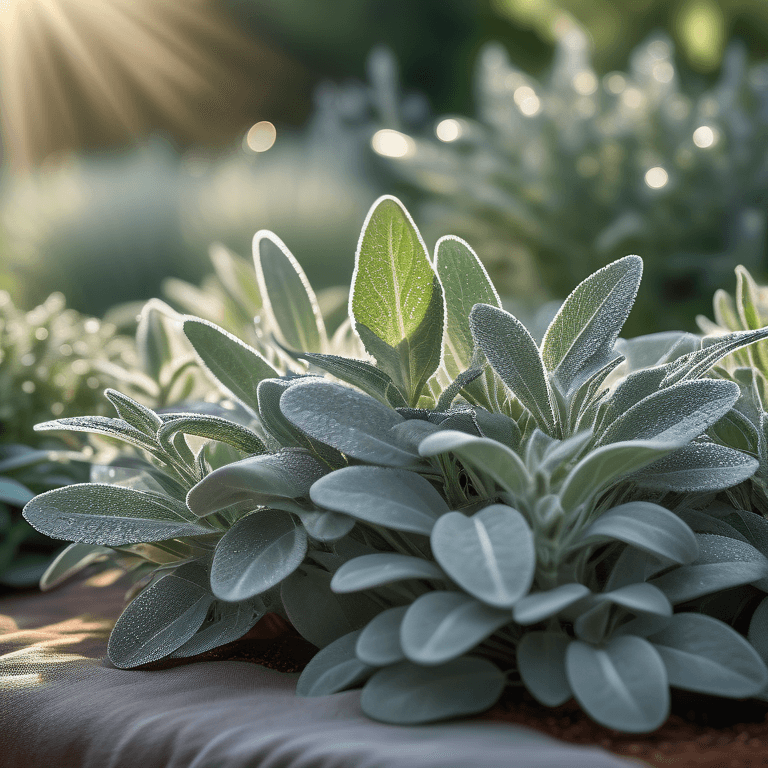
Sage, scientifically known as Salvia officinalis, stands out among Mediterranean herbs for its velvety, gray-green leaves and woody stems. This aromatic herb, native to the sunny landscapes of Southern Europe and the Mediterranean region, has graced gardens and kitchens for centuries.
Beloved for its distinctive flavor and versatility in the kitchen, sage is a key ingredient in various culinary creations. Beyond its culinary merit, sage boasts an impressive historical significance for its traditional use in teas and remedies, highlighting its diverse applications throughout history.
The Historical Significance of Sage
Sage's historical significance stretches far beyond its culinary applications. Revered for centuries, this herb was a staple in traditional medicine across various cultures. Ancient civilizations recognized its potent properties, employing it in remedies for an array of ailments.
Sage's purported healing abilities encompassed digestive issues, sore throats, and memory enhancement, solidifying its status as a revered medicinal plant. Its antimicrobial and anti-inflammatory properties were traditionally utilized to address various health concerns, showcasing its significance in ancient medicinal practices.
From ancient healers to modern herbalists, sage continues to be recognized for its therapeutic potential, making it an enduring symbol of the interconnectedness between nature and well-being.
Sage Varieties and Their Uses
While Salvia officinalis, commonly known as common sage or culinary sage, reigns supreme in the kitchen, a world of sage varieties exists, each offering a unique twist for the gardener.
- Purple sage: Characterized by its vibrant purple leaves, this variety adds a splash of color to gardens while maintaining a flavor profile similar to common sage.
- Golden sage: With its distinctive yellow-edged leaves, golden sage is an eye-catching addition to herb gardens and can be used interchangeably with common sage in recipes.
- Tricolor sage: A feast for the eyes, tricolor sage presents a captivating blend of green, purple, and white variegation on its leaves, making it an attractive ornamental plant.
Whether appreciated for their culinary contributions or visual appeal, these sage varieties provide diverse options for gardeners to explore.
Preparing to Grow Sage

Before embarking on your sage-growing journey, gather the necessary tools and select the perfect location in your garden, or designate a spacious container, to provide optimal growing conditions for your aromatic herbs. Planning and preparation are key for a thriving herb garden.
Consider your local climate and determine the best time to plant sage, typically after the last frost, ensuring a successful start to the growing season. With the right tools, resources, and a bit of planning, you can set the stage for a flourishing sage patch.
Essential Tools and Resources for Growing Sage
Successfully growing sage from seed starts with assembling the right materials. Fortunately, establishing a thriving sage patch doesn't demand specialized equipment or extensive resources.
Here's what you'll need:
- Seed starting mix: This lightweight, well-draining medium provides optimal conditions for sage seeds to sprout.
- Small pots or seed trays: These serve as cozy nurseries for your sage seedlings during their initial growth stages.
- Watering can or spray bottle: Gentle watering is crucial for delicate seedlings, preventing disturbance to developing roots.
- Sunny location or grow lights: Adequate sunlight is vital for robust seedling growth, whether indoors or outdoors.
By gathering these readily available tools, you're well-equipped to embark on your sage-growing adventure.
Choosing the Right Location and Soil Type
Selecting the right location is paramount for healthy sage plants. A sun-drenched spot that receives at least six hours of direct sunlight daily is ideal for these sun-loving herbs. Since sage thrives in well-drained soil, it is essential to choose a location where water doesn't pool.
Furthermore, adequate air circulation is crucial to prevent fungal diseases, so ensure your chosen spot allows for good airflow around the plants. If your garden soil leans towards clay, amending it with organic matter like compost improves drainage, making it more hospitable for your sage plants. By carefully considering these factors, you provide an environment where sage can thrive.
A Step-by-Step Guide to Planting Sage
Starting your sage garden successfully hinges on proper planting techniques. With the arrival of early spring, or late spring, depending on your climate, consider both direct sowing and starting seeds indoors, allowing ample time for your sage to establish itself before the first frost.
A methodical approach to planting sage ensures healthy growth and a bountiful harvest, making your gardening experience both enjoyable and rewarding.
Step 1: Soil Preparation for Optimal Growth
Preparing your soil properly is crucial in laying the foundation for healthy sage growth. Sage thrives in fertile, well-drained soil, so begin by loosening the soil to a depth of 12-14 inches. This process not only improves drainage but also encourages strong root development.
Incorporate organic matter like compost into the soil. This enriches the earth with essential nutrients, promoting healthy foliage and a robust root system, which is crucial for the plant's ability to access water and nutrients effectively.
If you live in an area with late frosts, be sure to wait until all danger of frost has passed before planting sage outdoors. Cold temperatures can damage or kill young seedlings, hindering their growth and development.
Step 2: Sage Planting Techniques
Whether starting your sage from seeds or using established seedlings, proper planting techniques are crucial for optimal growth. Sow seeds indoors six to eight weeks before the last frost or directly into the garden after the danger of frost has passed. Plant seeds ¼ inch deep and lightly cover them with soil, ensuring they receive adequate moisture for germination.
When transplanting seedlings, space them 18 to 24 inches apart to allow for proper air circulation and prevent overcrowding. This spacing promotes healthy growth and minimizes the risk of fungal diseases. Remember that sage acts as an excellent companion plant, deterring common garden pests. Position it strategically within your vegetable garden to safeguard vulnerable plants.
Caring for Your Sage Plants
Once your sage plants are happily settled into their new home, consistent care ensures they remain healthy and productive throughout the growing season. By addressing their basic needs, you'll enjoy a thriving sage patch, ready to enhance your culinary delights.
Regularly assess their growth, adjust watering schedules, and address any emerging issues promptly. A little attention goes a long way in cultivating robust sage plants.
Watering and Feeding Your Sage
While sage exhibits remarkable drought tolerance once established, it's essential to provide consistent water, especially during its first year of growth. Water deeply whenever the top inch of soil feels dry to the touch. However, avoid overwatering, as soggy soil can lead to root rot, a common problem for sage plants.
While sage doesn't demand heavy feeding, supplementing its nutrition during the growing season is beneficial. Opt for a balanced, slow-release fertilizer, applying it once in the spring to provide the necessary nutrients for healthy growth. Applying a layer of mulch around your sage plants helps retain soil moisture and suppress weeds, but avoid piling mulch around the base of the plant to prevent rot.
Pruning and Maintenance Tips
Regular pruning is crucial for maintaining your sage plant's health, shape, and vigor. Pinch back new growth regularly to encourage bushier growth and prevent legginess. After the plant flowers, a light trim helps to maintain its shape and prevents it from becoming too woody.
Sage is a woody perennial, meaning its stems become increasingly woody over time. To rejuvenate older plants and encourage new growth, prune them back by about one-third in early spring. This practice also helps to maintain a compact shape and prevents the plant from becoming too leggy. Remember to remove any dead or diseased branches promptly, preventing the potential spread of diseases to healthy parts of the plant.
Troubleshooting Common Sage Growing Issues
Despite sage's reputation for being a relatively low-maintenance herb, gardeners may encounter common issues that can impact the plant's health and productivity. Recognizing the signs of potential problems empowers you to address them promptly and effectively.
One of the most prevalent issues is powdery mildew, a fungal disease manifesting as a white powdery coating on leaves. Maintaining good air circulation around your sage plants by spacing them adequately helps prevent this problem. Additionally, root rot, often caused by overwatering or poorly draining soil, poses a risk. Ensuring proper drainage and avoiding excessive watering are crucial preventative measures.
Identifying and Managing Pests and Diseases
While generally resilient, sage can occasionally fall victim to common garden pests and diseases. It's crucial to familiarize yourself with these potential threats to proactively safeguard your sage plants.
Pest/Disease Description Solution Spider Mites Tiny pests that spin webs and cause stippling on leaves Introduce predatory insects like ladybugs or spray with insecticidal soap. Carrot Flies Larvae that burrow into roots, leading to wilting Use row covers, companion planting with onions, or apply diatomaceous earth around the base of plants. Cabbage Moths/Cabbage Loopers Caterpillars that feed on leaves, causing holes and damage Handpick caterpillars or use Bacillus thuringiensis (Bt) spray. Powdery Mildew White powdery growth on leaves Improve air circulation, avoid overhead watering, and apply a fungicide if necessary.
By promptly recognizing and addressing pest and disease issues, you can effectively safeguard the health and vitality of your sage plants.
Addressing Common Environmental Stress Factors
Beyond pests and diseases, environmental factors can significantly impact your sage plant's health. Identifying and addressing these stressors is crucial for maintaining thriving plants.
Sage thrives in full sun; insufficient sunlight can lead to leggy growth and reduced flavor production. Ensure your plants receive at least six hours of direct sunlight daily. While sage tolerates drought conditions once established, prolonged periods of dryness can negatively affect its growth. Monitor soil moisture and water deeply during dry spells, allowing the soil to dry slightly between waterings.
Extreme temperature fluctuations can also stress your sage plants. In regions with harsh winters, consider mulching around the base of your plants to protect roots from freezing. Understanding and mitigating these environmental stressors will contribute to your sage plants' overall health and productivity.
Harvesting and Utilizing Your Sage
One of the most satisfying aspects of growing sage is harvesting its aromatic leaves for culinary delights. Begin harvesting once your plants have established themselves, typically a few months after planting. For the best flavor, harvest sage leaves in the morning after the dew has dried but before the day's heat sets in.
Sage leaves can be used fresh, dried, or frozen, and their robust flavor complements a wide array of culinary creations. From savory roasts and hearty soups to flavorful sauces and herbal teas, the culinary possibilities with sage are endless. Explore different preservation methods to enjoy the distinctive taste of homegrown sage year-round.
Best Practices for Harvesting Sage Leaves
To ensure a continuous supply of fresh sage, it's essential to follow best practices for harvesting its aromatic leaves. When harvesting, pinch or snip off individual leaves as needed, taking care not to remove more than one-third of the plant's foliage at a time. This practice encourages bushier growth and prevents stressing the plant.
Avoid harvesting leaves that appear wilted, discolored, or damaged by pests, as they may not provide the optimal flavor. Freshly harvested sage leaves can be used immediately to impart their robust flavor to various dishes or stored in the refrigerator for a few days. For long-term storage, consider drying or freezing the leaves.
To dry sage leaves, hang them in small bundles in a cool, dark, and well-ventilated location. Once the leaves are completely dry and crumble easily, store them in an airtight container away from direct sunlight. Dried sage leaves are perfect for use in fall dishes, adding a warm, earthy depth to your culinary creations.
Conclusion
Growing sage successfully requires attention to detail and proper care throughout its growth cycle. By understanding the historical significance, varieties, planting techniques, and maintenance tips, you can cultivate a thriving sage garden. Remember to provide the right soil conditions, regular watering, and necessary pruning for healthy sage plants. Harvest your sage leaves with care and enjoy the benefits of this aromatic herb in various culinary and medicinal applications. With patience and dedication, you can savor the satisfaction of growing your own sage at home. Happy gardening!