
How to Freeze Dry Fruit: A Beginner's Complete Guide
Introduction
Have you ever thought about how you can keep the food from your garden fresh for years and not lose its taste? Freeze drying is a great way to dry food because it turns fruit into a light, crunchy, and tasty snack. This drying process keeps most of the food's original nutritional value, color, and sweetness. It is not like other ways of drying, since freeze drying lets you enjoy berries' sweetness or the tangy taste of pineapple anytime, with the kind of shelf life that is hard to get with other methods.
Understanding Freeze Drying: What It Means for Fruit

Freeze drying is a great way to keep fruit good for a long time. In this way, you freeze the fruit first. After that, you put it in a strong vacuum. All the water gets taken out. Freeze drying gives you a much longer shelf life than other ways, like canning or simple drying. It is a good way to build up your food supply.
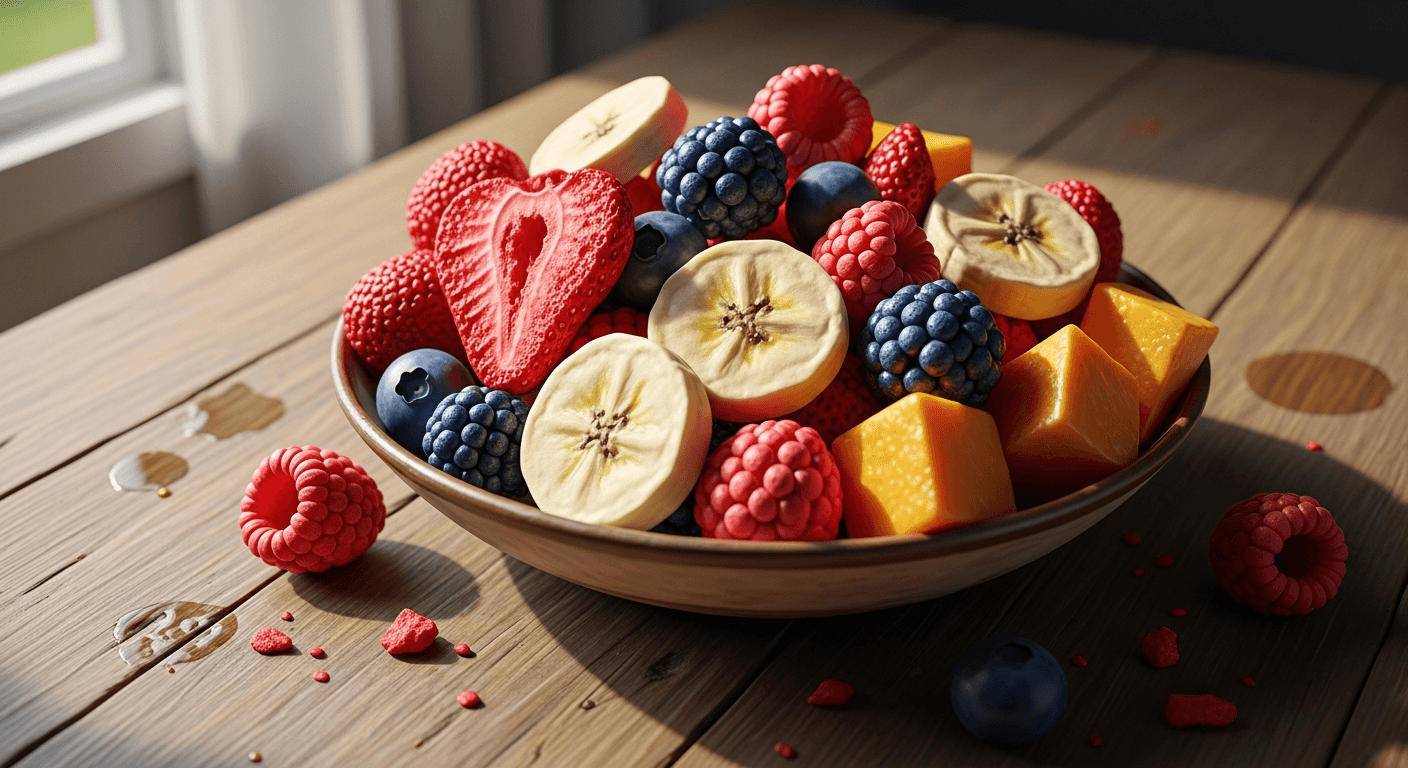
Imagine you take fresh, juicy strawberries and use the freeze drying process to make dry strawberries that feel light and crispy. When you use freeze drying, you get rid of most of the moisture. This keeps out bacteria and mold, so your strawberries do not spoil. The drying process gives you a safe, ready-to-eat snack. Also, the drying time with freeze drying is much shorter than with old drying methods. Now you can have dry strawberries that last for years.
How Does Freeze Drying Work for Fruit Preservation?
The special thing about this way to keep food fresh is something in science called sublimation. First, you need to put your fruit in a freezer or in the freeze dryer. It will freeze at a very low temperature. The water inside the fruit turns hard and gets locked in.
Once the fruit is fully frozen, it begins the drying process inside the freeze dryer. The machine makes a strong vacuum around it. At this low pressure, frozen water in the fruit goes straight from ice to vapor. It never turns into a liquid. This step in the drying process is called sublimation.
The freeze dryer slowly adds heat to the fruit. This helps the last bits of ice turn into vapor. The vapor is then pulled out and saved. By taking out almost all the moisture, this process stops the fruit from going bad. Because of this, the fruit gets a long shelf life. It is a good choice if you want to store the fruit for a long time.
Why Choose Freeze Drying Over Other Methods?
When you look at freeze drying next to other food preservation methods, like canning or drying, you can see some big differences. One of the main good points is how it helps keep the nutritional value in food. The drying process uses low heat, which helps protect vitamins and minerals. So, your fruit keeps more of its good stuff.
Another big plus is the long shelf life. Freeze-dried fruit, when done right, can stay good for up to 25 years. This is much longer than what you get from most canned or dehydrated foods. So, it's great if you want a food supply that will last a long time. Freeze-dried fruit is also a good snack. It's light, crunchy, and full of flavor. This is not like the tough feel you get from some dehydrated food.
In the end, this drying process does a good job of keeping the fruit's shape, color, and taste. The fruit stays bright, and you get strong flavor in every bite. To get the best results, start with ripe fruit. Cut it into pieces that are about the same size so you get an even drying each time.
The Best Fruits to Freeze Dry at Home

You can freeze dry many kinds of fruits, but some fruit works better than others. Berries like strawberries and blueberries, plus bananas and peaches, are great choices. They turn into crunchy treats that taste a little like candy. You can snack on them or put them in your cereal.
Freeze drying is not like making fruit leather, where you blend the texture. In freeze drying, the fruit keeps its shape after the process. This lets you make a big batch of your favorite fruits for long-term use. It is good to pick fruits that can hold up well during drying and be sure they feel good when done.
Top Recommendations: Strawberries, Blueberries, Bananas, and More
Yes, you can freeze dry fruits like strawberries, berries, blueberries, and raspberries at home. The results are very good. Berries work well when you get started. They are small and do not need much prep. You can slice strawberries or leave them whole if they are small. Blueberries and raspberries can go into the freeze dryer just as they are.
Other fruits such as peaches and cherries are great choices too. If you use peaches, be sure to take out the pits and cut them into slices. You also need to pit the cherries before you put them in the dryer. The sweet taste that comes from drying these peaches and cherries is really good.
Here is a simple guide to the best fruits for freeze drying. You will also see how to get them ready for drying.
Fruit Preparation Tips Strawberries Wash, hull, and slice into uniform pieces or leave small ones whole. Blueberries Wash and dry. Puncturing the skin can speed up drying time. Bananas Peel and slice into even rounds. Peaches Peel, pit, and slice into thin, even wedges. Cherries Wash, pit, and freeze-dry whole or halved. Raspberries Wash gently and dry thoroughly before freeze drying whole.
Characteristics That Make Fruits Ideal for Freeze Drying
Some fruits are better for freeze drying than others because of the way they are made. The main goal is to take out the water content in a way that keeps the taste and feel of the fruit. It is best to use fruits that are picked at their peak ripeness. At this time, the fruits have the most sugar and flavor, giving you a better result after freeze drying.
Getting the fruit ready is also important. When you cut fruit into smaller pieces or thin slices, it helps because more of the fruit is exposed. This lets more moisture leave the fruit. If you have fruit that turns brown, like apples or peaches, you can dip it in an acidic solution. A mix of lemon juice and water works well to keep the color bright.
Here are a few key traits to look for:
-
A high amount of water helps with easy sublimation.
-
A firm feel keeps the fruit in shape after you cut it.
-
Fruits you can cut into smaller pieces that are all the same size.
-
A lower amount of density means the drying time is often quicker.
Essential Equipment for Freeze Drying Fruit
To get the best results at home, you need a freeze dryer. A home freeze dryer does the full job. Brands like Harvest Right make these machines for homes. They work on the full drying process. The machine freezes the food, makes a vacuum, and dries the fruit.
However, you may wonder if you can do this without using a freeze dryer. A freeze dryer works best, but you can try other ways. You might have a freezer, a baking sheet, and some parchment paper at home. You can use these things for the process.
Next, we will look at the good and bad points of each way.
Using a Home Freeze Dryer: Pros and Cons
A home freeze dryer can cost a lot, but it gives good value and can work very well. A freeze dryer can take out more than 98% of the water in food. This is how food can have a long shelf life and last up to 25 years. It is a good choice for people who want to keep food for a long time. A freeze dryer is made for storing and saving your food, so you have food when you need it later. If you are looking for long shelf life, a freeze dryer can help you get it.
The process is mostly automatic. You just put your ready fruit on the trays, put them in the machine, and turn it on. It uses less time and you do not have to guess much like other ways. You can also work with a big batch of fruit at once, so it gets done in a good way.
Here's a quick rundown of the pros and cons:
-
Pro: This gives you the highest quality freeze-dried food.
-
Pro: Food will last the longest because of the great shelf life.
-
Pro: The process with the freeze dryer is easy and does most things for you.
-
Con: A freeze dryer can be expensive when you first buy it.
-
Con: These machines are big, so they need their own space.
How Do I Freeze Dry Fruit Without a Freeze Dryer? Alternatives Explained
If you can't use a special machine, you can try a simple way at home, but the outcome won't be just like a machine. A common way is to use a deep freezer and dry ice. To do this, you lay the sliced fruit on a baking sheet. Then put the baking sheet in a container. Next, cover the fruit with dry ice. The dry ice gets very cold and will freeze the fruit quickly.
As the dry ice turns from a solid to a gas, it helps take out some of the moisture from the fruit. When all the dry ice is gone, you put the container in the freezer. Leave it there for a few days or weeks. This helps more moisture leave the fruit slowly. This way is not as good as using a vacuum freeze dryer, so the fruit will not stay good for as long.
Keep in mind:
-
This way is much slower. It also is not as good or fast.
-
The fruit you get this way will not last as long.
-
When you are done, you need to put the fruit in an airtight container right away at room temperature. This helps keep the fruit from taking in moisture again.
-
A normal dehydrator will not freeze dry fruit. It just takes out moisture with heat, so you get a different feel and texture.
Preparing Fruit for the Freeze Drying Process
Getting ready is the first step if you want to dry strawberries and other fruits until they are crisp and dry. You need to clean the fruit and cut it so they will dry well. Start by washing your strawberries under cold water. This will help to remove dirt and anything else on them.
Some fruits, like apples and peaches, can turn brown while drying. You can stop this by letting them sit for a short time in a mix of lemon juice or ascorbic acid and water. This helps them keep their nice color during the drying process. If you take these few minutes to get your fruit ready, your dried peaches and apples will look good later on.
Selecting, Washing, and Slicing Your Fruit
Your journey starts when you pick the best fruit. Always go for fruit that is at peak ripeness because that is when you get the most flavor and the most nutrition. Stay away from fruit that is bruised, overripe, or spoiled. Freeze drying will not make bad fruit better. Once you have your fruit, wash it well under cold water.
Next, you need to slice the fruit. It is important to keep the pieces the same size so they dry at the same rate. If you cut fresh strawberries or any other fruit into smaller pieces or thin slices, you will speed up the drying time. A mushroom slicer is a good tool for making thin, even slices of strawberries quickly. This helps all the pieces dry well and at the same time.
For best results, follow these tips:
-
Wash the fruit well and pat it dry.
-
Cut everything so all pieces are about the same size.
-
A mandoline or food processor can help you get thin slices that look the same.
-
For fruits that brown fast, you can dip them in water mixed with some lemon juice for a short time.
Pre-Freezing Steps: Why They Matter for Better Results
Many home freeze dryers come with their own freezing cycle. But if you freeze your fruit before, it can make the process quicker. Pre-freezing means you let your fruit freeze in a regular freezer first, before putting it in the freeze dryer. Doing this can help lower the overall drying time your dryer uses for drying.
To start, put your sliced fruit in a single layer on a baking sheet lined with parchment paper. Set the baking sheet in the freezer. Keep it there until the fruit is frozen solid. This way, the pieces will not stick together. The fruit will also be very cold before you begin the main drying process. This helps make the drying and baking easier later.
If you put your food in the freezer before you use the freeze dryer, it's smart to turn on the freeze dryer about 30 minutes early. This lets it get cold before you put the trays in. By doing this, the fruit will not start to thaw when the freeze dryer gets cold. In the end, pre-freezing helps the cycle be faster and smoother. It also gives you a better product that will have a long shelf life. A freeze dryer is great if you want your food to last a long time.
Step-by-Step Guide: How to Freeze Dry Fruit
Now that you have your fruit ready, you can start the freeze drying process. The first step is to set up your machine or your freezer in the right way. This helps with the drying process and makes sure the whole batch dries well. If you want your freeze drying to work properly, be sure every part of your setup is in place. This will let the drying go smoothly for your batch.
It's important to follow the right steps for drying cycles. You need to be patient with this part. The drying part can take a day or even longer. But you will see good results if you wait for it to finish. Now, let's talk about how to get your equipment ready and what you can expect while drying.
Setting Up Your Equipment or Freezer
If you use a home freeze dryer, the setup is easy. You first take your fruit, which should already be frozen. Put the fruit on the freeze dryer trays. These trays look a lot like the ones you find in a dehydrator. Place the fruit in a single layer on each tray. Try to keep the fruit pieces spaced out and not touching too much. A little bit of overlap is okay, but do not put too much fruit on the trays.
Use the edges of the tray to help you see how much you need to put in. When you fill all the trays, put them in the freeze dryer that is already cold. Close the door, make sure the seal is tight, and then do what the manufacturer says to start the freeze dryer. Many new machines give you clear steps on the screen to help you through each part of the process.
If you want to use the freezer method, start by putting your fruit on a baking sheet. Make sure the baking sheet has some parchment paper on it. After that, place the baking sheet inside a big airtight container or a bag. Put a layer of dry ice on top. Close the container, but not too tight. This will let the gas escape. Put everything in your coldest freezer. This way, your fruit, baking, and dry ice will be safe in your freezer.
The Freeze Drying Cycles and Expected Timing
The freeze drying process inside a machine works in a few steps. It starts when the unit freezes the fruit to its lowest temperature. This lowest temperature can be anywhere from -30°F to -50°F. After that, there is a vacuum pump that turns on to make a low-pressure space in the machine. At this stage, the freeze drying process starts with the main drying part. This part is called sublimation. It is when the ice becomes vapor without going through water first.
The drying time will change a lot based on the water content and sugar in the fruit. The size of each piece matters too. A batch of fruit may need 20 to 48 hrs to dry. Fruits with more sugar, like cherries and peaches, often take longer to finish drying. Most freeze dryers have sensors. These sensors let you know when the drying is done.
Here are some estimated times:
-
Apple slices need about 10 to 12 hrs.
-
Strawberries and bananas take almost 24 hrs.
-
Cherries and peaches need between 24 and 36 hrs.
-
Apricots can take 24 to 48 hrs.
Always check if the fruit is ready. The pieces should feel light and be crispy. They should break easily. If you feel the fruit is still soft or cool, it needs to be in longer.
Conclusion
To sum up, freeze drying is a great way to keep the flavor and good stuff in fruit for a long time. When you know the freeze drying process, pick the right fruit, and have the right tools, you can make tasty snacks that stay good on the shelf. Make sure to follow each step in the drying process so you get the best results, whether you use a freeze dryer or try another way of drying. With practice and a little time, you can enjoy your best-loved fruits whenever you want. If you want to start with freeze drying, feel free to try out different fruits and see what snacks you like the most!
Frequently Asked Questions
How do I know when freeze dried fruit is finished and ready to store?
You will know the fruit is ready when it is dry, light, and crisp to the touch at room temperature. Try squeezing some of the thicker pieces. If they feel brittle and break or crumble, that means the fruit has finished drying. If you feel any softness or spot any moisture, you should give it more drying time. This will help the fruit have a long shelf life when it is kept in an airtight container.
Can I freeze dry fruit in batches and how should I store it afterwards?
Yes, you can freeze dry fruit in a batch. If you need to store it for a long time, use mylar bags with an oxygen absorber. This will help take all the air out. For using it soon, a glass jar or mason jars with a tight lid will work. The main thing is to keep the fruit away from moisture and air.
Are there any safety concerns when freeze drying fruit at home?
The biggest safety concern is making sure you get rid of all the moisture. If the fruit still has any moisture left in it, mold or bacteria can grow on it. To keep the fruit safe for a long shelf life, store it in an airtight container. This keeps humidity out and helps the fruit last longer. Also, this helps protect the fruit from things that can hurt its shelf life and safety.