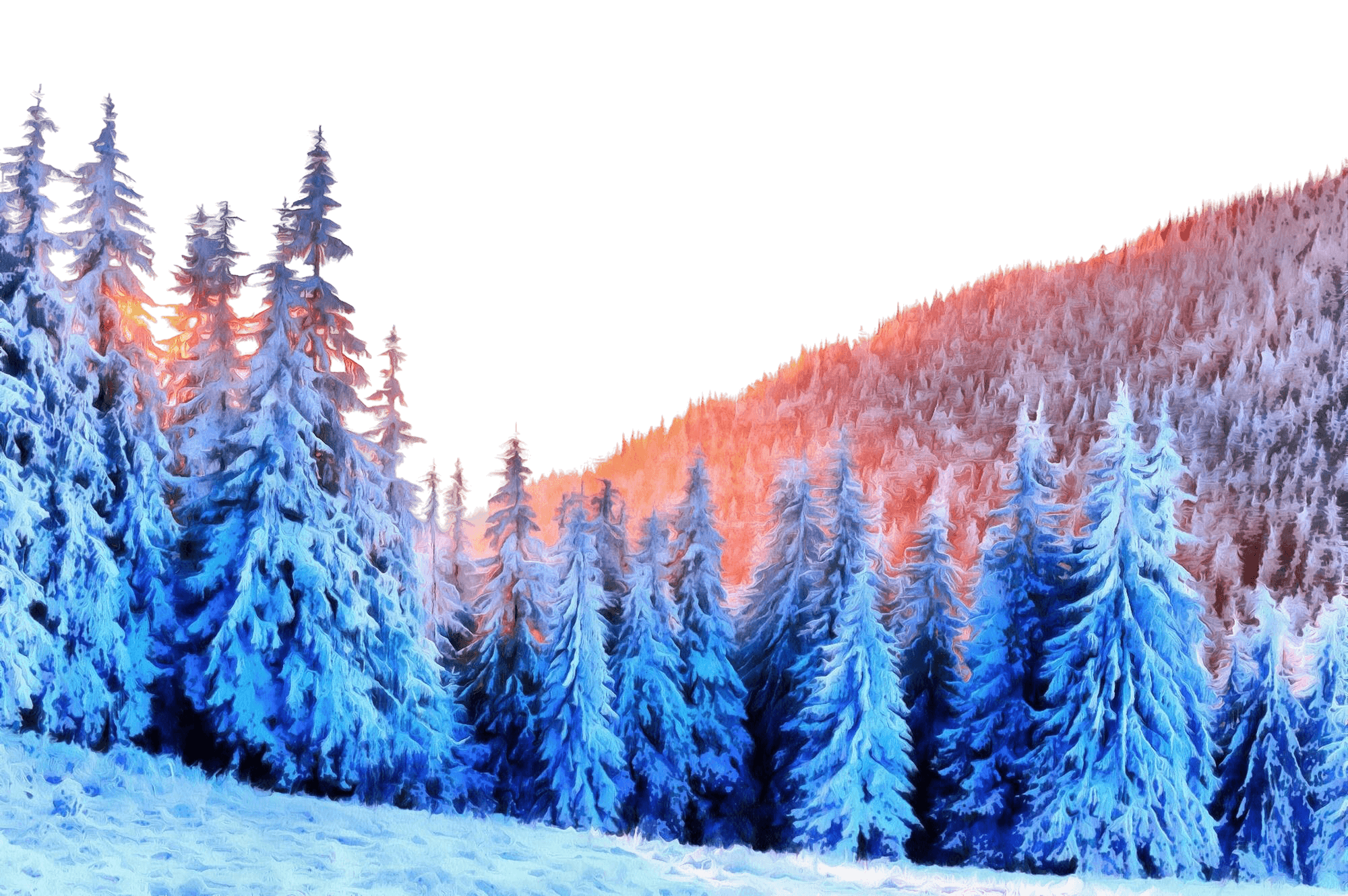

Discover the Key Variations: Forest vs. Woods Explained
Introduction
Forests and woods, while often used interchangeably, hold distinct characteristics that set them apart in the realm of natural landscapes. Comprising vast expanses of temperate and boreal forests, forests are known for their dense tree canopies and diverse ecosystems. Conversely, woods typically refer to smaller, wooded areas with lower tree density. By delving into the nuances of these environments, we uncover the unique tapestries of flora and fauna that contribute to the rich biodiversity of our planet. Discover the allure and significance of forests versus woods in our exploration ahead.
Unveiling the Mystique: Forest vs. Woods

Forests and woods capture the essence of nature, each with its unique charm. Forests, like temperate and boreal forests, boast a dense tree canopy over a large area, harboring diverse wildlife. In contrast, woods, often smaller and more intimate, exhibit simpler tree cover. From the Amazon Rainforest to wooded lands in the United States, the distinction lies in tree density and canopy cover. Whether in a royal hunting forest or a local woodland, these environments ignite curiosity.
Defining the Majesty of Forests
Forests, expansive domains adorned with diversity, serve as vital lungs of the Earth, fostering rich biodiversity and offering sanctuary to countless species. From the lush temperate forests to the dense tropical rainforests, each ecosystem exhibits a unique tapestry of life. The towering trees, dense undergrowth, and diverse flora create a haven for a myriad of creatures, from tiny insects to majestic predators, contributing to the intricate web of life that sustains our planet.
The Enchanting Simplicity of Woods
Woods, characterized by their serene charm, are simpler ecosystems compared to vast forests. These areas showcase a lower tree density and smaller canopy cover, making them more accessible and inviting for casual strolls or picnics. Woods often have a cozy feel due to their dense undergrowth and woody vegetation. Encounters with squirrels, moose, or various bird species are common in these intimate settings. The peaceful ambiance of woods provides a stark contrast to the grandeur of expansive forests, offering a tranquil retreat from bustling urban life.
The Product of Nature: Exploring Ecosystem Features

Forests and woods both showcase unique ecosystem features that contribute to their distinct characteristics. Forests, like temperate and boreal forests, boast a dense tree canopy ideal for various wildlife. In contrast, woods, often smaller in size, exhibit a simpler structure with a focus on undergrowth and shrubs. These differences in tree density and canopy cover impact the biodiversity and overall dynamics of each ecosystem. Understanding these nuances enriches our appreciation for the diverse natural landscapes present on our planet.
The Diverse Life within Forests
Amidst the lush expanse of forests, a variety of species intermingle, creating a vibrant ecosystem. From towering trees providing shelter to diverse flora carpeting the forest floor, every niche teems with life. Birds soar through the tree canopy, while mammals traverse the undergrowth in search of sustenance. Insects scurry among the foliage, contributing to the intricate web of life. The harmony of biodiversity within forests showcases the interconnectedness of all living organisms, each playing a vital role in the intricate tapestry of nature.
Woods: A Closer Look at Flora and Fauna
In wooded areas, the biodiversity thrives with a rich tapestry of flora and fauna. From squirrels to reindeer, a variety of mammals call the woods their home. Fungi and diverse plant species create a vibrant underbrush. These habitats support a intricate ecosystem. Groves and forests around the world, from California to Siberia, host this diverse wildlife. The dense undergrowth provides shelter and sustenance for numerous species, showcasing the delicate balance of nature.
Pros and Cons: Balancing the Benefits and Drawbacks
Exploring the benefits and drawbacks of forests and woods reveals a fascinating dichotomy. Forests act as vital lungs of the Earth, supporting rich biodiversity and serving as crucial carbon sinks. In contrast, woods offer accessible wildlife encounters and recreational opportunities but may lack the extensive biodiversity of larger forested areas. Conservation challenges differ between the two, with forests facing deforestation threats and woods susceptible to habitat fragmentation due to urbanization. Balancing these aspects is crucial for sustainable ecosystem management.
Forests: Lungs of the Earth and Biodiversity Havens
Forests, especially tropical rainforests like the Amazon, act as the Earth's lungs by absorbing carbon dioxide and producing oxygen. They also support a vast array of plant and animal species, contributing significantly to biodiversity. These vital ecosystems play a crucial role in mitigating climate change and maintaining ecological balance. Protecting forests is essential for preserving biodiversity, ensuring clean air, and safeguarding the planet's health. Their rich biodiversity serves as a genetic reservoir for future medicines and technologies.
Woods: Intimate Wildlife Encounters and Accessibility
Woods offer an intimate setting for wildlife encounters due to their smaller size compared to forests. The accessibility of woods allows for closer interactions with flora and fauna, providing opportunities for observation and appreciation of nature's beauty. Visitors can experience a sense of tranquility and connection with wildlife in woods, making them ideal for leisurely walks and nature exploration. The compact nature of woods enhances the chances of encountering various species up close, creating memorable and enriching experiences for nature enthusiasts.
The Challenges of Conservation: Forest vs. Woods
Conserving forests and woods presents distinct challenges. Forests, like the Amazon Rainforest, face threats from deforestation and climate change due to their large area and high biodiversity. Woods, such as those in the United States, are vulnerable to logging and urbanization due to their accessibility. Balancing the conservation needs of temperate forests and wooded lands requires different strategies. Preserving the royal hunting groves in Europe differs from protecting the underbrush of a woodland in California. Understanding these differences is crucial for effective conservation efforts.
Comparing Giants and Gems: Similar Natural Habitats
Beyond the Trees: Similar Ecosystems Worth Exploring. The unique characters of various forest types and woodlands highlight the rich biodiversity they support. From the dense undergrowth of tropical rainforests in South America to the temperate forests of North America, these habitats vary in tree density, canopy cover, and wildlife species. Both boreal forests in Siberia and woodland groves in Europe offer insights into how diverse climates shape their flora and fauna. Each represents a vital piece of the intricate puzzle of our planet's ecosystems.
Beyond the Trees: Similar Ecosystems Worth Exploring
Diving into the depths of exploration, similar ecosystems beckon beyond the trees. From temperate forests to tropical rainforests, each harbors its unique essence. Vast boreal expanses and lush groves offer diverse habitats for wildlife. The intricate balance of tree cover and undergrowth echoes across continents, shaping ecosystems around the globe. Traversing varying climates and verdant landscapes, these ecosystems reveal the interconnected tapestry of nature's wonders. Discover the allure of similar habitats, where flora and fauna intertwine harmoniously in the dance of life.
The Unique Characters of Various Forest Types and Woodlands
Temperate forests, like those found in Europe, boast diverse tree species with a moderate tree canopy cover. Boreal forests in Siberia, on the other hand, exhibit high tree density and dense undergrowth due to colder climates. Woodlands such as groves feature a mix of woody vegetation and underbrush, creating ideal habitats for squirrels and smaller mammals. Each forest type and woodland offers a distinct environment shaped by factors like tree height, canopy cover, and undergrowth density.
Final Verdict: The Essential Role of Both in Our World
Forests and woods play essential roles in maintaining the ecological balance and supporting human well-being. They provide numerous ecological services, such as carbon storage, habitat for wildlife, and water regulation. Forests and woods also contribute to nature preservation by preserving biodiversity and protecting natural habitats. Furthermore, they have cultural significance and hold traditional uses and spiritual value for many communities. It is crucial to recognize the importance of both forests and woods and work towards their preservation and sustainable management to ensure a healthy and thriving natural environment for future generations.
Why Both Forests and Woods are Crucial for Ecology and Human Spirit
Both forests and woods are crucial for the well-being of our ecology and human spirit. Forests, with their dense tree canopy and rich biodiversity, provide important ecological services such as carbon sequestration, water purification, and climate regulation. They also offer recreational opportunities and contribute to mental health and well-being. The peaceful and serene environment of forests can have a calming effect on individuals and provide a space for relaxation and rejuvenation.
Woods, on the other hand, with their more open canopy and sparser tree density, still provide ecological services but in a different capacity. They offer a transitional habitat between dense forests and open land, supporting a diverse range of plant and animal species. Woods also have cultural and spiritual significance, with traditional uses and practices rooted in their existence. The connection to nature and the sense of awe and wonder that woods provide can be deeply spiritual for many individuals.
Overall, both forests and woods are essential for the preservation of our natural environment, the well-being of both ecosystems and human communities, and the nourishment of our spirits.
Making the Choice: Preserving Our Natural Heritage
When it comes to making the choice to preserve our natural heritage, it is important to consider the conservation of both forests and woods. This can be achieved through various measures, including the establishment of protected areas, reforestation efforts, and the implementation of environmental policies.
Protected areas are crucial in safeguarding the biodiversity and ecological integrity of forests and woods. These areas ensure that the natural habitats and the species they support are preserved for future generations. Reforestation initiatives are also vital in restoring degraded areas and promoting the growth of new forests and woodlands.
In addition, effective environmental policies play a significant role in ensuring the sustainable management of forests and woods. These policies can include regulations on logging practices, the protection of endangered species, and the promotion of sustainable land use practices.
Text table:
Conservation Measure Description Protected Areas Establishing designated areas for the preservation of forests and woods, ensuring the protection of biodiversity. Reforestation Initiatives aimed at planting new trees and restoring degraded areas to promote the growth of forests and woodlands. Environmental Policy Implementing regulations and policies to sustainably manage forests and woods, including logging practices.
By prioritizing the preservation of both forests and woods, we can ensure the long-term health and sustainability of our natural environment.
Conclusion
In essence, forests and woods each possess their unique charm and ecological significance. While forests serve as vital lungs of the Earth, harboring diverse life forms and fostering biodiversity, woods offer intimate wildlife encounters and easy accessibility. Both habitats play crucial roles in maintaining ecological balance and nourishing the human spirit. Preserving these natural havens is essential for sustaining our environment and cultural heritage. Understanding and appreciating the distinctions between forests and woods enrich our knowledge of these ecosystems, emphasizing the importance of conservation efforts to safeguard their intrinsic value for future generations.
Frequently Asked Questions
What Makes a Forest Different from Woods?
Forests and woods differ in terms of tree density, canopy cover, and the size of the land area. Forests have a higher tree density and a denser canopy cover, while woods have a more open canopy and sparser tree density. Both forests and woods can span the same land area, but the composition of trees and the level of coverage differentiate them.
How Do the Ecosystem Services of Forests and Woods Differ?
Forests and woods provide different ecosystem services based on their tree density and canopy cover. Forests, with their dense canopy, play a crucial role in carbon storage, supporting biodiversity, and providing recreational opportunities. Woods, with their open canopy, also contribute to carbon storage, but may have a different mix of plant and animal species and offer different recreational experiences.
Can the Conservation Efforts for Forests Apply to Woods?
Conservation efforts for forests can apply to woods with some modifications. The focus remains on habitat conservation, but the specific approaches and strategies may differ based on the characteristics of woods. Policy approaches may need to be adapted, and community involvement is crucial for the effective conservation of both forests and woods.
Exploring the Cultural Significance of Forests vs. Woods
Forests and woods hold cultural significance for many communities. Forests are often associated with cultural heritage and traditional uses, such as medicinal plant collection and ceremonial practices. Woods, on the other hand, may have a more intimate connection to local communities, with a focus on traditional practices and spiritual significance.