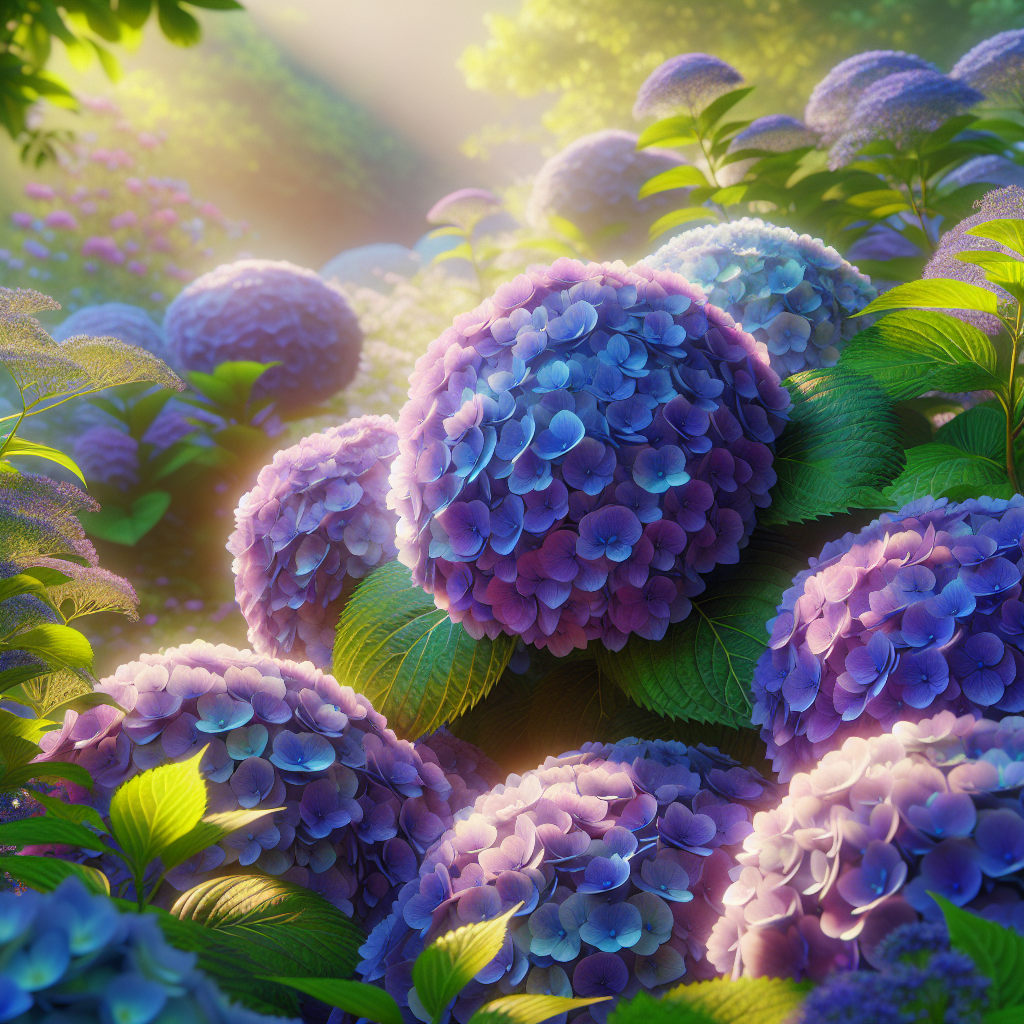

Blooming Beauty: Flowers Hydrangea Guide
Introduction
Welcome to the enchanting world of hydrangeas, where lush blooms and vibrant colors reign supreme! If you're a gardening enthusiast looking to add a touch of elegance and charm to your outdoor space, then look no further. This comprehensive guide will equip you with all the knowledge you need to cultivate and care for these stunning flowering shrubs, ensuring a breathtaking display of blooms season after season. From understanding the different hydrangea varieties to mastering the art of planting and maintenance, we'll explore everything you need to know to transform your garden into a hydrangea haven.
Discovering the Diversity of Hydrangeas

Often, when people envision hydrangeas, they picture the classic blue or pink mophead blooms. However, the world of hydrangeas extends far beyond this popular variety. With a fascinating array of shapes, sizes, and colors, hydrangeas offer a diverse palette to enhance any garden landscape. From the delicate lacecap blooms to the striking cone-shaped panicles, each hydrangea type boasts its unique appeal, adding depth and visual interest to your outdoor haven.
As you embark on your hydrangea journey, you'll discover a world of possibilities, each species offering a unique flavor to your garden design. Whether you're seeking elegant white blooms, vibrant pinks and blues, or captivating shades of green and purple, a hydrangea variety exists that perfectly complements your garden vision.
Exploring Bigleaf Hydrangeas (Hydrangea macrophylla)
In the world of hydrangea plants, the bigleaf hydrangea (hydrangea macrophylla) stands out for its vibrant flower heads and bold leaves. These flowering plants require acidic soil to produce their iconic blue blooms. To manage their color, consider using aluminum sulfate for blue flowers or lime for pink ones. Pruning is key in hydrangea care, as these shrubs bloom on old wood. Morning sun and ample water support their growth, leading to voluminous blooms that add a touch of elegance to any garden.
The Charm of Panicle Hydrangeas (Hydrangea paniculata)
Panicle hydrangeas, scientifically known as Hydrangea paniculata, offer a distinct charm with their elongated flower clusters that bloom in late summer. These elegant shrubs can adapt to various soil conditions, favoring well-drained sites. Panicle hydrangeas are celebrated for their versatility, thriving in both full sun and partial shade. Their showy blooms transition from white to pink as they age, adding evolving beauty to any garden landscape. These hydrangeas are relatively low-maintenance, requiring occasional pruning for optimal growth and abundant flowering, making them a delightful choice for any garden enthusiast.
The Elegance of Smooth Hydrangeas (Hydrangea arborescens)

Smooth hydrangeas, scientifically known as Hydrangea arborescens, offer understated elegance to any garden. These flowering plants boast large, showy blooms in early summer, adding a touch of grace to your outdoor space. With their bold leaves and voluminous blooms, smooth hydrangeas thrive in morning sun and need a lot of water to flourish. To care for them, ensure they receive consistent moisture and prune them back in late winter to encourage new growth. Their beauty truly shines when planted in groupings or as standalone focal points in your garden.
The Unique Beauty of Oakleaf Hydrangeas (Hydrangea quercifolia)
Oakleaf hydrangeas, scientifically known as Hydrangea quercifolia, boast unique foliage resembling oak leaves. These hydrangea plants thrive in acidic soils, showcasing stunning white flower heads that mature to pinkish hues. They are resistant to various pests like powdery mildew and leaf spot. To care for oakleaf hydrangeas, plant them in areas with morning sun and ample moisture. Prune them after flowering and mulch generously to retain moisture. Their striking appearance and resilience make them a favorite among gardeners seeking a standout addition to their greenery.
Optimal Growing Conditions for Thriving Hydrangeas
Understanding the specific needs of hydrangeas is crucial for their overall health and the vibrancy of their blooms. While they are generally adaptable plants, providing the right environmental conditions will ensure they thrive in your garden, rewarding you with abundant flowers and lush foliage.
From sunlight and shade tolerance to soil type and pH, we'll explore the key factors that contribute to healthy, happy hydrangeas.
Sunlight Needs and Shade Tolerance
When it comes to sunlight requirements, most hydrangea plants flourish in locations that receive morning sun and afternoon shade. This balance provides the ideal amount of light for optimal growth and blooming without scorching the delicate flower heads or stressing the plants.
However, it's important to note that certain varieties, such as panicle hydrangeas, have a higher tolerance for direct sunlight and can handle full sun conditions, especially in cooler climates. Conversely, some hydrangea species, particularly bigleaf hydrangeas, prefer shadier locations, especially during the hottest times of the day. Before selecting a spot for your hydrangeas, research the specific sunlight preferences of the variety you've chosen and observe the light patterns in your garden to ensure they align with the plant's needs.
The Importance of Soil Type and pH
The pH of your soil, which measures its acidity or alkalinity, plays a significant role in the color of bigleaf hydrangea blooms. For vibrant blue hues, aim for acidic soil with a pH below 6.0. You can increase acidity by amending the soil with elemental sulfur or aluminum sulfate.
Conversely, if you desire pink blooms, a more alkaline soil with a pH above 7.0 is ideal. To raise the pH, incorporate lime into the soil. It's crucial to test your soil's pH before planting and adjust it accordingly to achieve your desired bloom color. Remember that other hydrangea types, such as panicle, smooth, and oakleaf hydrangeas, don't generally experience color changes based on soil pH.
To maintain adequate drainage and aeration, incorporating organic matter, such as compost or well-rotted manure, is always beneficial for any hydrangea variety. A rich, well-draining soil ensures the roots receive the optimal balance of oxygen and moisture, promoting healthy growth.
Watering Practices for Lush Blooms
Hydrangeas are known for their love of water, earning them the nickname "water-loving" plants. Providing consistent moisture is crucial for their overall health and, in particular, for supporting their large, showy blooms. However, striking the right balance is key, as overly wet soil can lead to root rot and other problems.
During the first year after planting, frequent watering is essential to help the roots establish themselves. Once established, hydrangeas generally require about 1 inch of water weekly, especially during hot, dry periods. It's always best to check the soil moisture regularly by sticking your finger a few inches deep into the soil. If it feels dry, it's time to water.
Mulching around the base of your hydrangeas is an excellent way to conserve soil moisture and regulate soil temperature. Apply a 2- to 3-inch layer of organic mulch, such as bark chips or shredded leaves, keeping it a few inches away from the base of the plant to prevent moisture buildup and potential stem rot.
Fertilizing for Healthy Growth
While hydrangeas are not heavy feeders, providing them with the right nutrients can enhance their growth, encourage vibrant blooms, and support their overall health. The best approach is to use a balanced, slow-release fertilizer formulated for flowering shrubs.
Apply the first dose in early spring, just as new growth begins to emerge. A second application in early summer can be beneficial, especially for varieties that bloom on new wood. However, avoid fertilizing later in the season, as it can encourage tender new growth that may be susceptible to frost damage in colder climates.
Always water deeply after fertilizing to help distribute the nutrients evenly around the roots. Remember that over-fertilizing can be detrimental, leading to excessive foliage growth at the expense of blooms. If you're unsure about the fertilization needs of your particular hydrangea variety, consulting with your local nursery or a gardening expert is always recommended.
Planting Hydrangeas: A Step-by-Step Guide
Are you ready to welcome the enchanting beauty of hydrangeas to your garden? Planting these flowering shrubs is a rewarding experience that can transform your outdoor space into a vibrant oasis. From selecting the right spot to prepping the soil, we've covered the essential steps to plant and enjoy these stunning flowers.
Let's get started and turn your gardening dreams into a reality!
Choosing the Right Location
Choosing the ideal location for your hydrangeas is the first step towards ensuring their health and maximizing blooming potential. Most hydrangeas thrive in spots that receive morning sun and afternoon shade. This delicate balance helps the plants soak up enough energy to produce abundant blooms without being scorched by the intense afternoon heat.
Assess the sunlight patterns in your garden and select an area that aligns with the specific needs of your hydrangea variety. If you're working with limited space or wish to adorn your patio, container gardening is a great option. Simply choose a container with adequate drainage and use a well-draining potting mix to keep your hydrangeas happy and healthy.
No matter where you plant them, remember to give your hydrangeas ample space to grow and spread their branches. Overcrowding can lead to poor air circulation, making them more susceptible to diseases. With the proper planting location, you'll be rewarded with a stunning display of blooms and years of enjoyment.
Preparing the Soil for Planting
Once you've chosen the perfect location, it's time to prepare the soil to ensure optimal rooting and growth for your hydrangeas. These plants thrive in well-drained soil that's rich in organic material, offering a good balance of moisture retention and aeration.
Before planting, loosen the soil in the planting area to a depth of about 12-18 inches, removing any rocks, weeds, or debris. Next, amend the soil with generous amounts of organic matter, such as compost, aged manure, or peat moss. This helps improve soil structure, drainage, and nutrient content, providing a nourishing environment for your hydrangeas to establish strong root systems.
Additionally, check the acidity of your soil, as it plays a crucial role in determining the bloom color of certain hydrangea varieties, particularly bigleaf hydrangeas. By taking the time to properly prepare the soil, you'll set the stage for healthy, vibrant hydrangeas that will thrive for years to come.
The Best Time to Plant Hydrangeas
Knowing the optimal planting time for hydrangeas can make a significant difference in their ability to establish themselves and thrive in their new environment. As a general rule, the best time to plant hydrangeas is during the cooler months of either spring or fall. This allows the new plants ample time to develop strong root systems before facing the stress of summer heat or winter frost.
Spring planting is ideal in colder climates where the ground thaws later, as it gives the hydrangeas the entire growing season to establish themselves before winter arrives. On the other hand, in milder climates with longer growing seasons, fall planting is equally successful, allowing the roots to settle in during the cooler months before spring growth begins.
For best results, visit your local nursery to select healthy hydrangea plants and seek their advice on the ideal planting time based on your specific climate and chosen varieties.
Post-Planting Care Tips
After carefully planting your hydrangeas, providing them with proper post-planting care is essential to ensure their successful establishment and abundant blooms in the seasons to come. Consistent watering is particularly crucial during the first year, especially during dry spells, as the roots are still developing and establishing themselves in their new environment.
Applying a layer of organic mulch around the base of your hydrangeas will help retain soil moisture, suppress weed growth, and regulate soil temperature. Choose from materials like shredded bark, wood chips, or pine needles, applying a 2-3 inch layer while keeping the mulch a few inches away from the base of the plant to prevent rot.
Additionally, refrain from pruning your newly planted hydrangeas during their first year, as it can potentially hinder their growth and delay blooming. Focus your efforts on providing consistent watering, maintaining a layer of mulch, and protecting them from harsh weather conditions to encourage strong root development and healthy growth.
Mastering Hydrangea Care Throughout the Seasons
Just like any other plant, caring for your hydrangeas through seasonal changes is important for their long-term health and the vibrancy of their blooms. By understanding their needs throughout the year, you can enjoy beautiful colors in summer, encourage proper growth in spring, and safeguard them during winter.
Let's dive into season-specific tips to keep your hydrangeas flourishing.
Spring Pruning for Optimal Growth
Spring is a time of renewal and growth, and for your hydrangeas, it's also the ideal time to give them a good prune to maintain their shape and encourage abundant blooming. However, the pruning technique differs depending on whether your hydrangea blooms on old wood (previous year's growth) or new wood (current year's growth).
For hydrangeas that bloom on old wood, such as bigleaf and oakleaf varieties, pruning should be done immediately after they finish blooming in late summer or early fall. This timing ensures you don't accidentally remove any flower buds that have already set for the following year.
On the other hand, hydrangeas that bloom on new wood, like panicle and smooth hydrangeas, can be pruned back in late winter or early spring before new growth emerges. This type of pruning encourages vigorous new shoots that will bear flowers in the same season.
Summer Care: Watering and Mulching
As temperatures rise in summer, providing your hydrangeas with adequate hydration is paramount, especially during hot, dry spells. These water-loving shrubs require consistent moisture to thrive and produce their spectacular blooms. However, striking the right balance is key, as overwatering can suffocate the roots and lead to root rot.
Mulching around your hydrangeas helps retain soil moisture and temperature, reducing the need for frequent watering. Replenish the mulch layer as needed, ensuring it's about 2-3 inches thick and a few inches away from the plant's base.
If you live in a particularly dry or humid climate, you might need to adjust your watering schedule accordingly. Regularly check the soil moisture by sticking your finger a few inches deep. If it feels dry, it's time to water deeply. Providing consistent moisture during the summer months will ensure healthy, vibrant blooms and keep your hydrangeas happy throughout the heat.
Preparing Hydrangeas for Winter
As colder temperatures approach, it's time to help your hydrangeas prepare for winter, especially in regions that experience freezing temperatures. The level of winter protection required varies depending on your climate zone and the specific hydrangea variety you have in your garden.
In milder USDA zones where temperatures rarely dip below freezing, a layer of mulch around the base of the plant may suffice as winter protection. For colder regions or when dealing with more tender hydrangea varieties, providing additional insulation might be necessary.
One method is to create a cage around the plant using chicken wire or stakes and then fill the cage with leaves or straw for insulation. You can also wrap the plant in burlap or frost cloth for added protection against harsh winds and freezing temperatures.
Revitalizing Hydrangeas in Fall
Fall provides an excellent opportunity to revitalize your hydrangeas and set them up for success in the following spring. Begin by gently cleaning up any fallen leaves or debris around the base of the plants to minimize the risk of fungal diseases, such as leaf spot, which can overwinter in plant debris.
If your soil tends to be deficient in certain nutrients, fall is also an excellent time to amend it. Conduct a soil test to determine its pH and nutrient levels, and amend based on your hydrangea's needs. Avoid fertilizing in late fall, as it can stimulate tender new growth that might not survive winter frosts.
As winter approaches, gradually reduce the frequency of watering, allowing the soil to slightly dry out between waterings. This helps harden off the plant tissues and prepares them for colder temperatures.
Troubleshooting Common Hydrangea Problems
Even with the best care, gardeners might encounter some common issues while growing hydrangeas. Understanding these potential problems and learning how to treat them is key to keeping your hydrangeas healthy and vibrant.
From dealing with pesky insects to understanding why your hydrangeas might not be blooming, we'll cover common issues and solutions, providing you with the knowledge to nurture your hydrangeas back to health.
Dealing with Pests and Diseases
While generally low-maintenance, hydrangeas can sometimes fall prey to common garden pests and diseases. Japanese beetles, known for their voracious appetites, can quickly decimate leaves, leaving behind a skeletonized appearance. Handpicking beetles and dropping them into soapy water is an effective way to reduce infestations.
Powdery mildew, a fungal disease, often appears as a white powdery coating on leaves, weakening the plants and hindering blooming. Providing good air circulation by spacing plants adequately and avoiding overhead watering can help prevent mildew.
Neem oil, a natural insecticide and fungicide, is an excellent option for managing both pests and fungal diseases. Regularly inspect your hydrangeas for any signs of infestation or disease and promptly address the issue to prevent further damage.
Managing Wilted or Yellowing Leaves
Wilted or yellowing leaves on your hydrangeas can be a sign of stress, indicating an underlying issue that needs attention. One of the most common culprits is inconsistent watering. Hydrangeas are water-loving plants, and their leaves can quickly wilt if the soil dries out, especially during hot, dry spells.
Overwatering can also be detrimental, leading to root rot and suffocating the roots, ultimately causing the leaves to yellow and wilt. Additionally, fungal diseases like leaf spot can cause brown or black spots on the leaves, leading to yellowing and leaf drop.
If you notice wilting or yellowing leaves, first check the soil moisture. Adjust your watering practices as needed, ensuring the soil is consistently moist but not waterlogged. Inspect the leaves for signs of disease or pests and address any issues promptly.
Overcoming Blooming Challenges
Witnessing a lack of blooms on your hydrangeas can be disappointing, but don't fret; there are a number of measures to encourage abundant flowering. Improper pruning is a frequent cause of blooming issues, especially for those that bloom on old wood. Cutting back these varieties in late winter or early spring can inadvertently remove flower buds that have already set for the following season.
Insufficient sunlight can also hinder blooming. While most hydrangeas prefer partial shade, they still need adequate sunlight to produce flowers. Lastly, the soil pH can impact bloom color, and for bigleaf hydrangeas, an improper pH might impact overall flowering.
To overcome blooming challenges, ensure you're pruning at the right time for your specific hydrangea variety. Evaluate the amount of sunlight your plants receive and consider relocating them if necessary. Test your soil's pH and amend it accordingly to meet your hydrangea's needs.
Addressing Common Soil and Water Issues
Soil and water quality are crucial factors in the health and vitality of your hydrangeas, and addressing common issues can make a world of difference in their overall performance. One common problem, particularly in regions with hard water, is high alkalinity, which can prevent hydrangeas from accessing essential nutrients, leading to stunted growth and yellowing leaves.
Another common issue is poor drainage, often caused by compacted soil or heavy clay content. Waterlogged soil can suffocate the roots, resulting in root rot and other problems. It's crucial to check for proper drainage before planting.
To address alkalinity, you can amend the soil with sulfur or other acidifying agents. If poor drainage is a concern, incorporate organic matter like compost or peat moss to improve soil structure. Regularly testing your soil pH and making necessary amendments will ensure your hydrangeas are receiving the nutrients they need.
Conclusion
In conclusion, the world of hydrangeas offers endless beauty and diversity for your garden. By understanding their unique characteristics and optimal care requirements, you can nurture these blooms to their fullest potential. From choosing the right location to mastering seasonal care, hydrangeas reward your efforts with lush blooms and vibrant colors. Remember to troubleshoot common issues promptly and provide the necessary care to keep your hydrangeas healthy and thriving throughout the year. Embrace the joy of cultivating these enchanting flowers and watch your garden bloom with the elegance and charm of hydrangeas.
Frequently Asked Questions
How do I change the color of my hydrangea blooms?
You can influence the color of your hydrangeas, particularly blue blooms in bigleaf varieties, by adjusting the soil's pH. For bluer hues, lower the pH by adding aluminum sulfate. For pinker blooms, raise the pH using lime. Remember to test your soil regularly and amend it as needed.
Can hydrangeas grow in full shade?
While hydrangeas appreciate some shade, especially during the hottest part of the day, planting them in full shade can significantly reduce flowering. These flowering plants need a minimum of 4-6 hours of sunlight to thrive and produce abundant blooms.
How often should hydrangeas be watered?
Hydrangeas prefer consistently moist soil, so watering deeply about once a week, providing about 1 inch of water, is a good starting point. However, you should always check the soil moisture and adjust the watering frequency based on temperature, rainfall, and your soil's drainage.
What are the best companion plants for hydrangeas?
Creating a visually appealing and harmonious garden involves selecting companion plants that enhance the beauty of your hydrangeas. Consider pairing them with ferns, hostas, astilbes, or other shade-loving perennials that prefer similar growing conditions and offer contrasting textures and colors.