Feijoas Uncovered: Everything You Need to Know
Introduction
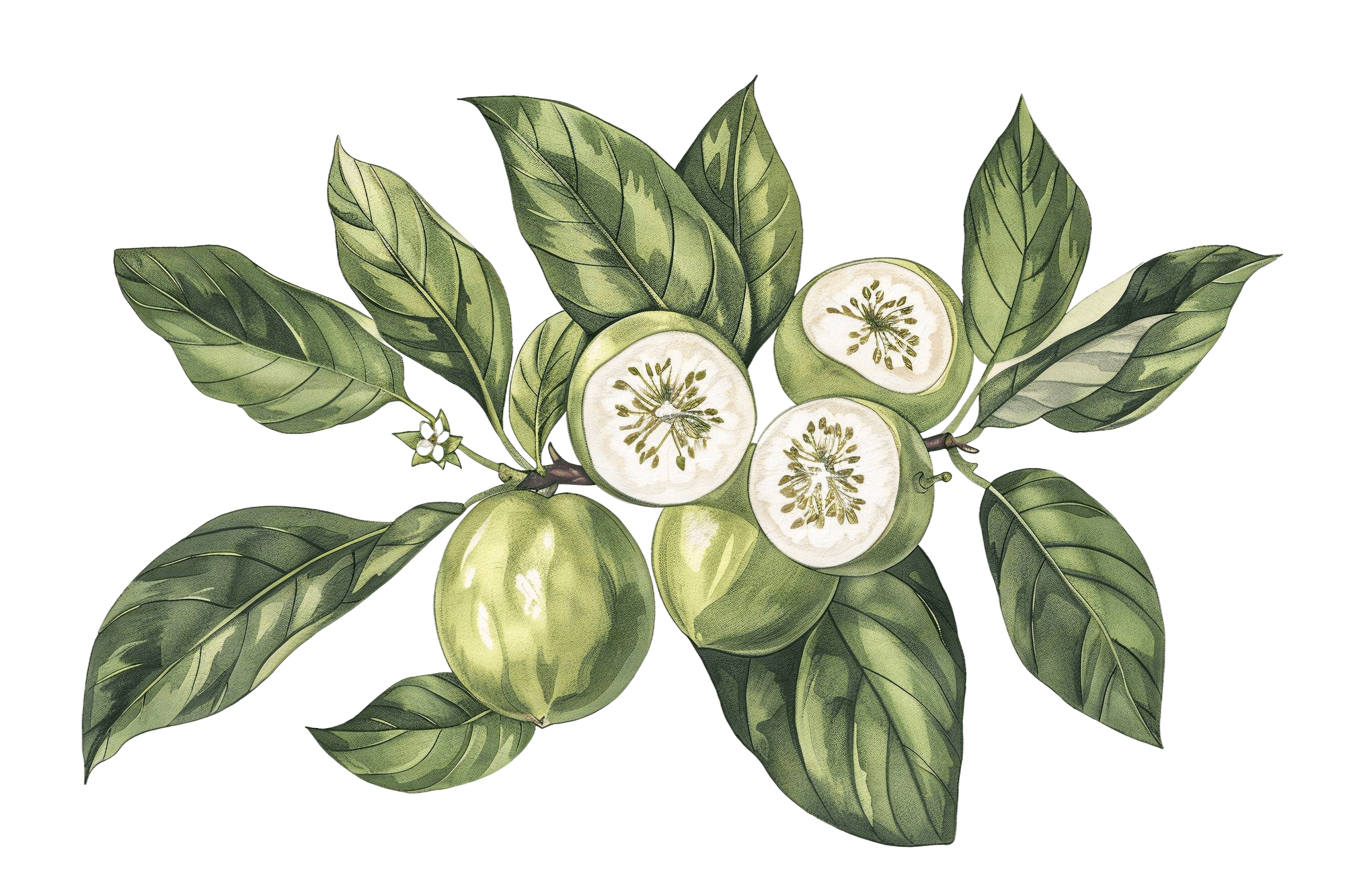
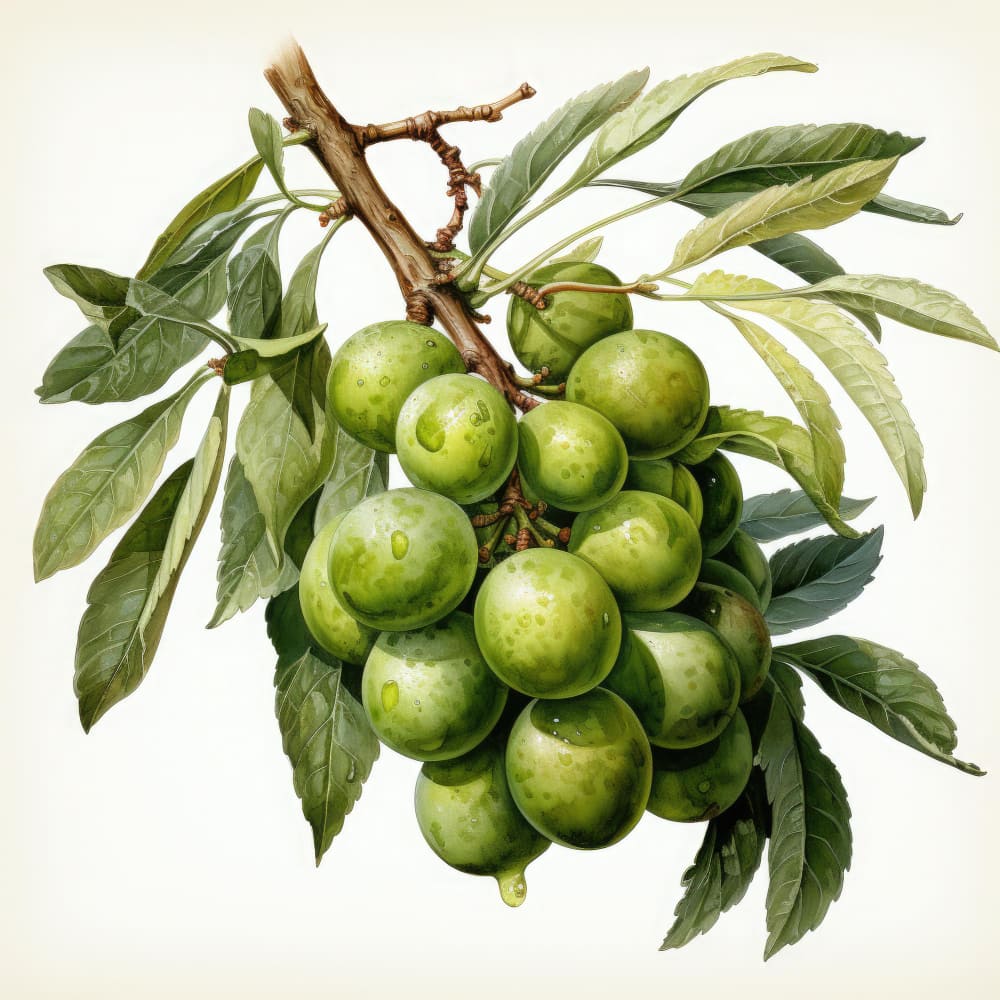
Originating from South America, the feijoa, affectionately nicknamed the pineapple guava, has charmed its way into the hearts of many, particularly in New Zealand. This intriguing fruit, with its unique flavor profile and intriguing aroma, has steadily gained popularity across the world. But what exactly is a feijoa, and what makes it so special? Let's explore the captivating world of feijoas.
Discovering Feijoas: An Introduction
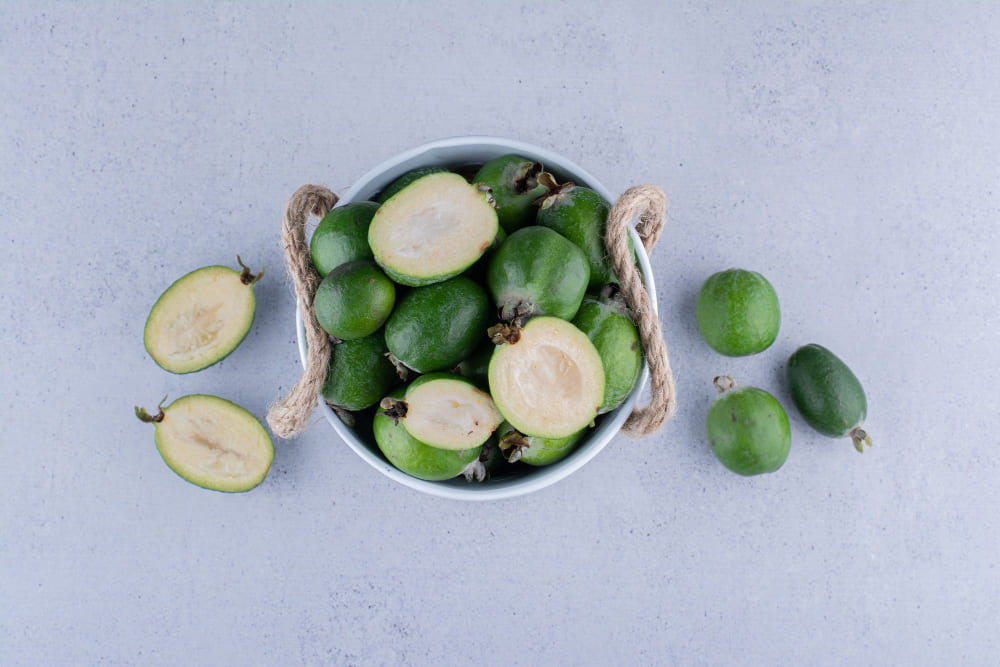
Imagine a fruit that embodies the tropical sweetness of pineapple, laced with the subtle tartness of strawberries, and rounded off with a refreshing hint of mint. Encapsulated in a vibrant green skin, the feijoa, also known as the pineapple guava, offers a captivating sensory experience, both in aroma and taste. Native to South America, this remarkable fruit has traversed continents, gracing gardens and kitchens across the globe.
Feijoas, scientifically termed Acca sellowiana, belong to the myrtle family, making them distant relatives of the guava. Their versatility shines, as they can be savored fresh, straight from the tree, or incorporated into a plethora of culinary creations, from jams and jellies to baked goods and beverages.
The Origin and History of Feijoas
The feijoa traces its roots back to the lush landscapes of South America. Native to countries like Brazil, Paraguay, Uruguay, and Argentina, the feijoa has long been a cherished fruit among the indigenous populations. Its journey beyond the South American continent began in the 19th century, catching the eye of European explorers and botanists.
German botanist Fredrich Sellow is credited with formally documenting the feijoa during his South American expeditions in the early 1800s. The feijoa's journey continued, reaching Europe and other parts of the world, including New Zealand, where it found a particularly welcoming home.
Today, feijoa cultivation has expanded beyond South America, establishing a presence in regions of New Zealand, Australia, and several other countries with suitable climates. The global feijoa community continues to grow, marking the lasting legacy of this South American gem.
Understanding the Unique Traits of Feijoas
Feijoas stand out in the fruit basket for more than just their unique flavor. Nutritionally, they are a powerhouse of goodness. These emerald green gems are brimming with Vitamin C, a potent antioxidant known to bolster immunity. Feijoas also offer a good dose of dietary fiber, a crucial component for digestive health.
Beyond vitamins and fiber, feijoas are also a source of essential minerals. They contain a notable amount of potassium, an electrolyte that plays a vital role in maintaining fluid balance within the body. While not a primary source, feijoas contribute to the intake of essential nutrients like Vitamin A, calcium, and magnesium. Interestingly, the National Institutes of Health, in their Dietary Reference Intakes (DRIs), highlight the significance of these nutrients for overall health.
Adding feijoas to your diet is an excellent way to enjoy a flavorful treat while reaping nutritional benefits. Incorporate them into your meals and experience the deliciousness and goodness of this South American native.
Cultivation Secrets: How to Grow Feijoas Successfully
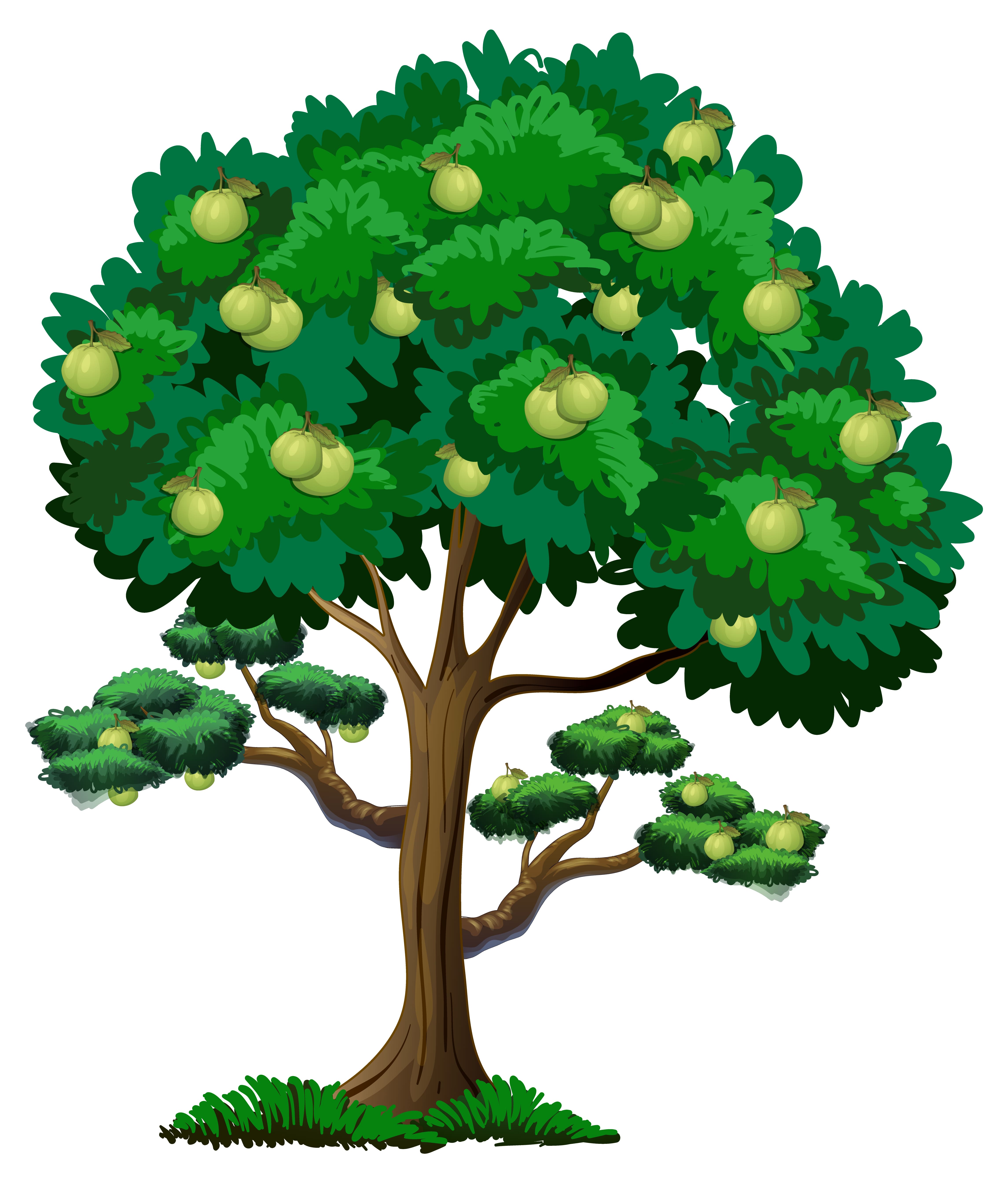
Interested in experiencing the joy of harvesting your own feijoas? Cultivating these exotic fruits can be a rewarding endeavor, even for those with limited gardening experience. Feijoas are relatively low-maintenance plants that adapt well to various conditions, but understanding their needs is key to successful cultivation.
From providing well-draining soil and ample sunlight to understanding their frost tolerance, mastering the basics can make all the difference in the productivity and longevity of your feijoa plants. Let's unearth the secrets to cultivating thriving feijoa plants.
Ideal Growing Conditions for Thriving Feijoa Plants
As subtropical plants, feijoas thrive in regions that mimic their native environment --- warm, humid climates with ample sunshine. While they enjoy the warmth, they also display a commendable tolerance to cooler temperatures, even withstanding a touch of frost. If you reside in regions with a Mediterranean climate, such as parts of California, feijoas are a great addition to your garden.
Well-drained soil is non-negotiable for healthy feijoa plants. These trees dislike soggy roots, which can make them susceptible to root rot. Slightly acidic soil, with a pH ranging from 5.5 to 6.5, is ideal. Feijoas prefer locations with full sun exposure but can tolerate partial shade. However, maximizing sun exposure often translates to a more bountiful harvest.
Generally, feijoas are planted in late spring or early summer. Your patience will be rewarded as the trees mature and begin to bear the much-anticipated fruit, typically starting around late summer and extending into autumn.
Tips and Tricks for Successful Feijoa Cultivation
While feijoas are relatively low-maintenance plants, a little extra care can go a long way in ensuring healthy and prolific trees. Experienced feijoa growers, especially in regions like Australia and parts of Europe, recommend these valuable tips:
- Pruning: Regular pruning, particularly after harvesting the fruit, helps maintain the tree's shape and promotes air circulation, reducing the risk of diseases.
- Watering: While feijoas are drought-tolerant, regular watering during dry spells, especially during the fruiting season, ensures a good yield.
- Fertilization: Supplementing the soil with a balanced fertilizer in early spring can replenish nutrients and promote healthy growth.
Feijoas, with their intriguing aroma and exotic taste, are a welcome addition to any garden or orchard. By adhering to these expert tips, both seasoned and novice growers can cultivate these fascinating fruits and relish the fruits of their labor.
Conclusion
Feijoas, with their unique taste and cultivation requirements, offer a delightful addition to home gardens. Understanding their history and traits enhances appreciation for these fruits. By following the right cultivation tips, you can successfully grow feijoas in optimal conditions. The journey from origin to your garden is a rewarding one. Embrace the process and relish the fruits of your labor with home-grown feijoas. Explore the FAQs to deepen your knowledge and experience the joy of nurturing these exotic gems. Start your feijoa-growing adventure today!
Frequently Asked Questions
How Do Feijoas Taste Compared to Other Fruits?
Feijoas offer a uniquely delightful taste---a combination of sweet and tart. Their flavor profile is often compared to a blend of strawberries and pineapple, with a refreshing hint of mint. This distinctive taste makes feijoas a truly special fruit experience.
Can Feijoas Be Grown in Home Gardens?
Yes, feijoas are well-suited for home gardens, even for those new to cultivation. Plant them between late March and late April or from September to October. With some care and attention, you can enjoy the satisfaction of harvesting your own homegrown feijoas.