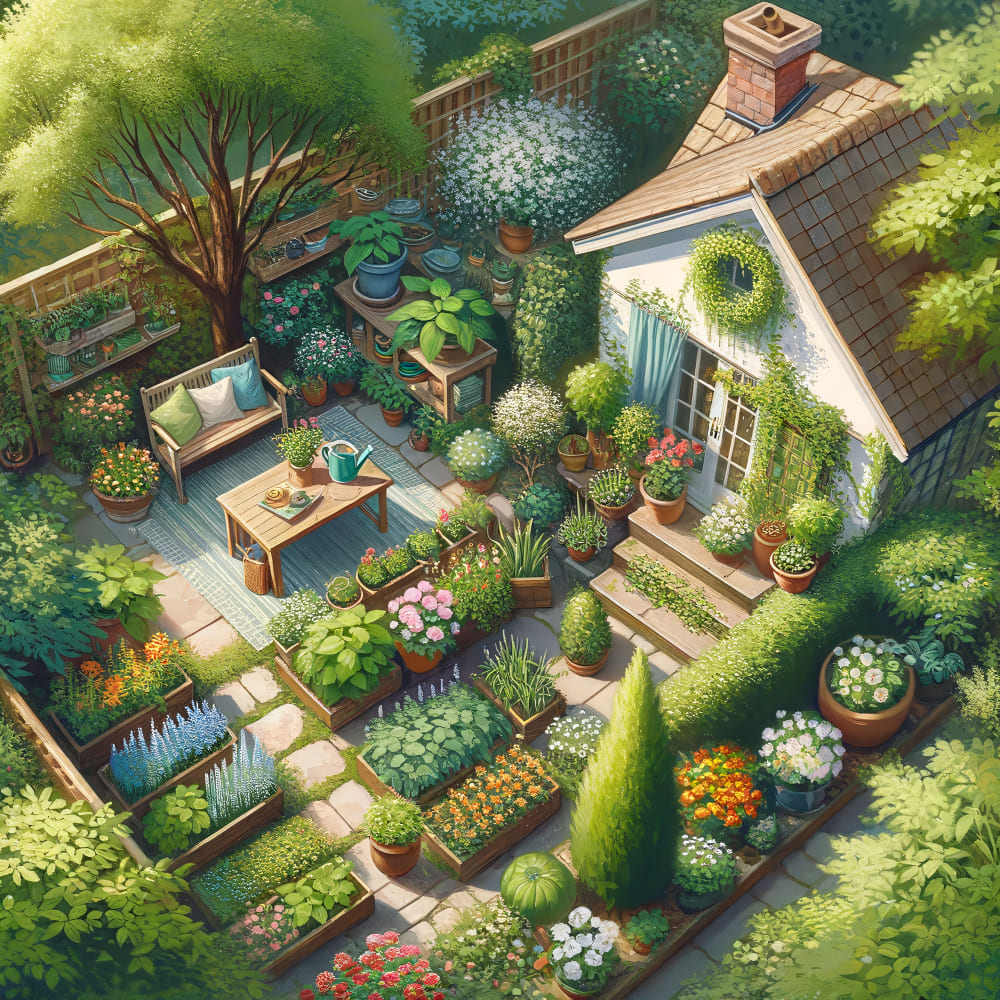
Designing Your Permaculture Garden: A Step-by-Step Guide
Introduction
Are you hoping for a garden that works with nature instead of fighting it? Permaculture gardening helps you build a nice, useful, and lasting outdoor space in your backyard. You can use this way of gardening to grow your own food. It brings in good wildlife and makes a calm area for you to enjoy. A smart plan is the main thing you need. This guide shares the steps you must follow. You will learn how to design a garden that grows well, saves resources, and fits in with nature.
permaculture gardening, outdoor space, permaculture, gardening
Understanding the Basics of Permaculture Garden Design
Permaculture is a design system that was first talked about by Bill Mollison and David Holmgren, who are from Australia. The main goal of permaculture is to set up gardens and spaces that act like the earth's own natural systems. It is not only about planting things. It is also a way of thinking that connects land, people, and every resource we use with the part of the world we live in.
This system works by building links that help everyone and everything that is part of it. In the end, the purpose is to make a thriving ecosystem. This way, we can have what we need for our daily lives and still look after the land.
This way of gardening puts focus on methods such as creating healthy soil, using organic pest control, and saving resources. When you follow permaculture principles, you are able to plan a permaculture garden that stays strong, looks after itself, and grows with life. We want to show what makes a permaculture garden special and share the main ideas that are part of permaculture.
What Is a Permaculture Garden?
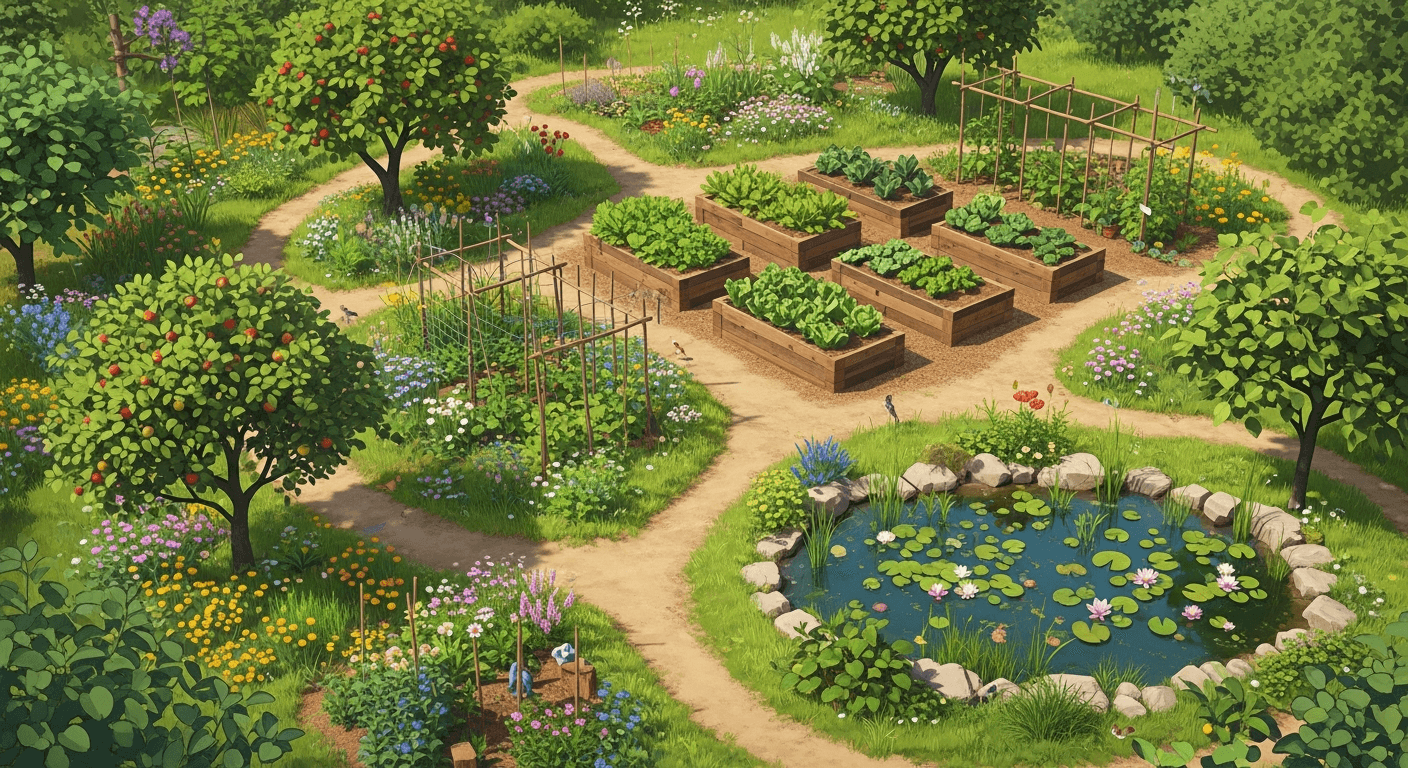
A permaculture garden is a space that people plan with care. It follows the patterns and setups found in nature. In this type of garden, you do not just see plants in straight lines. There is a good mix of plants, bugs, and animals. They all work together in the permaculture garden. This setup helps make a thriving ecosystem. Food, fiber, and energy are all made right there for local use. People do not need to step in much as the permaculture garden takes care of itself.
See your garden as working with nature. In this way of gardening, everything is connected. Waste from one part is used by another. Leaves that fall on the ground can be mulch to help the soil. Food scraps from your kitchen can turn into compost to feed your plants. This method makes use of all things in your garden. Every part matters.
When you watch and learn from natural systems, you can begin to build a permaculture garden that gives back more than it takes. A permaculture garden is not just about growing food. It is also about making good choices that help your land stay healthy for a long time. With the right steps, your backyard can turn into a green and lively place, full of life and good for you and the earth.
Permaculture vs. Traditional Garden Design
The way permaculture and traditional gardens are set up is very different. In most traditional gardens, you will find neat rows and lots of plants of the same type. A lot of the time, people use artificial fertilizers and sprays to help things grow. These gardens do not follow natural cycles much. So, they need a lot of extra work like digging the soil, pulling weeds, and adding water often.
Permaculture designs are different because they try to build systems that support themselves over time. In these systems, people focus on biodiversity, use companion planting, and make places for beneficial insects to live. With permaculture, you do not fight against nature. You work with it. People use curved garden beds to hold more water in the soil. They also plant in groups, called guilds, to help plant health and protect the garden.
Here are a few key distinctions:
-
System Integration: Permaculture designs link different parts in a garden. They work together and help each other. In traditional gardens, parts are often kept apart.
-
Resource Use: Permaculture tries to save and reuse water, soil, and nutrients. In traditional gardens, the ways used may need a lot more resources.
-
Diversity: A permaculture garden has many kinds of plants. A traditional garden will usually grow just one main crop.
Core Principles of Permaculture
The practice of permaculture is based on a set of principles. People like Bill Mollison and David Holmgren helped shape these ideas. The set of principles guide you when making design decisions. These ideas come from watching how the world works in nature. They help us create ways to live that are strong, last a long time, and support real sustainability.
While different people may say them in different ways, the main ideas are the same. They act as tools to help you think of your garden as part of an ecosystem. That way, every part in your garden can have more than one use and help make things better overall. This set of principles is the base for good permaculture design.
Key permaculture principles include:
-
Observe and Interact: Watch how the natural systems work at your place. Use what you see to help plan your design.
-
Catch and Store Energy: Get energy from the sun, wind, or water. Save it so you can use it later.
-
Produce No Waste: Try to use everything. Make waste into something useful.
-
Use and Value Diversity: A system with many kinds of life can stand up better to pests, disease, or a change in the weather.
Initial Site Assessment and Observation
The first and most important thing to do in permaculture is to check your land in detail. Before you put your garden beds on your land, you need to see and know how your place looks and acts. You should look at the topography, which is the shape of the land, and notice any changes in elevation. Watch how the natural patterns are working in your space. It is also good to spot the different microclimates in your area.
Take your time with this process. Watch how sunlight moves across the yard at different times in the day and year. See where water goes and pools after it rains. Look at how wind moves in some places. Knowing these weather conditions and things in nature is key to making a garden that fits well with its environment.
Mapping Your Space and Existing Features
After you spend some time looking at your outdoor space, the next thing to do is draw a map of it. A simple map is a great way to see how your design will look. First, sketch the edges of your property. Next, add big things that are already there---like your house, sheds or other buildings, large trees, and any pathways. You can use this map to help you see where to put new garden beds or a spot for your compost pile. This will make planning your space much easier.
When you look at your map, make sure you write down the things you saw during your check. Mark the spots that get full sun, some shade, and a lot of shade. Show which way the main winds blow. Mark where water goes or gathers. You can also write down what kind of soil is in each spot. This step-by-step map helps you place elements like swales to trap water or set up blocks to keep the wind away from plants that need care.
Here is an example of what you can put in your mapping notes:
Feature Location Notes Large Oak Tree Northwest Corner Casts afternoon shade over the back lawn. Good for shade plants. Downspout East side of house High water flow during rain. Ideal for a rain garden or swales. Sunny Patch South-facing yard Receives 8+ hours of sun. Perfect for a vegetable garden. Windy Corridor Between house/garage Strong gusts from the west. Consider a windbreak here.
Analyzing Soil, Light, and Microclimates
A close look at your site's soil, the light, and the small changes in each spot is very important if you want your garden to do well. Healthy soil is the base for a garden that grows strong. You can use a simple soil test to see what is in your soil, check pH, and know about its nutrients. Ask if your soil is sandy, clay, or loamy. When you know this, you can pick the best plants. You can also choose what to add, like compost or manure, for healthy soil that supports your garden, no matter what the microclimates are like.
Light patterns shift during the day and the year. Watch how the sun moves over your land to find out where there is full sun, some sun, or deep shade. This will help you know what spot is good for sun-loving vegetables and which places are better for shade-loving plants. The height of the ground and buildings create small microclimates with their own weather conditions. A wall that faces south will be warmer and get more sun than a north-facing wall that stays in the shade.
Key things to analyze include:
-
Sun exposure: Look at where the sun and shade fall at different times in the day.
-
Soil type: Check if the ground is sandy, loamy, or has clay. Also, find out how rich it is.
-
Wind patterns: Find out which way the wind usually blows and where the sheltered areas are.
-
Temperature variations: Notice the warm and cool spots. See if buildings or elevation changes make some places warmer or cooler.
Considering Water Sources and Flow
Water is very important, and taking care of it is a big part of permaculture. Begin by looking for every place that water comes in on your land. This could be rain, water that comes off the roof, or water from city taps. Try to catch, save, and use this water as best you can. This will help you need less water from outside irrigation.
Watch how water moves on your land when it rains. See where the rainwater goes. Now notice where it gathers in one spot. When you know how the water flows, you can come up with ways to slow it down. This helps you get the water to soak into the soil instead of running off.
You can use swales. A swale is a simple ditch you dig on the same level in your yard. It stops rainwater and lets it sink down. This helps water the plants that grow below it.
You can also set up rain barrels. Connect them to your downspout. A rain barrel will save rainwater. You can use the saved rainwater later when you need it.
When you focus on water conservation from the start, you make your garden stronger. A garden like this can handle dry times better. If you manage water well, you save water and help keep the soil moist deep down. This brings many good things to your whole garden.
Setting Goals and Planning for Functionality
When you know your site well, you can start to think about what you want for your garden. It is important to set your goals now, as this step will help you make all design decisions later. Ask yourself if you want to grow food for your family, make a home for pollinators, or just have a nice spot to relax. Your main needs will decide how you set up the layout of your garden and what you put in it.
Thinking about how your garden will be used makes sure that it works for you and helps with sustainability. If you want to grow a vegetable garden, your layout should let you get to the garden beds easily. It also helps to have a compost system close by. If you want to bring more wildlife, you should add things that give them food and shelter.
Defining Your Needs and Priorities
What do you want from your permaculture garden? This can change how your whole garden looks and works. Think about your daily routine and how the garden can fit into it. You may love to cook and want herbs and vegetables close by the kitchen. Or, you may want fruit trees and some chickens for a small homestead feel. If you know your needs, you can then choose what gets a spot in your permaculture garden and what comes first.
Many gardeners want to grow food as their main goal. There are also people who want to use their space to make a calm place, a play area for their kids, or a spot for animals. Write down your own goals for your garden and give each goal a rank by how important it is to you. This will help you place elements in your plan in the best way for your needs.
Remember that each thing you add should have a clear use. If it can help in more than one way, that is even better. When you know your main goals, you can pick things that work best for what you want to achieve. If you make a plan like this, you will not waste the time, energy, or money on things that do not fit your goals.
Planning for Low-Maintenance and Resilience
One big aim of permaculture is to build gardens that can care for themselves. If you want a garden that needs little work, you must plan it to be strong and able to keep going alone. You should use the weather conditions and natural patterns around you, not fight them. This helps you spend less time and effort in your garden. A strong garden can take on tough weather, deal with pests, and stay healthy even when problems happen.
One good way to do this is to pick native plants for your garden. These plants are used to the weather and soil where you live, so they need less care. You can also use renewable resources like leaves that have fallen in your yard. If you use these leaves as mulch, it helps with sustainability and makes it easier to look after your garden.
Here are some tips to help make your garden easy to take care of and strong:
-
Choose the right plants: Pick native and perennial plants that will grow well in your area.
-
Build healthy soil: Good, living soil helps plants be strong. Strong plants are less likely to get pests or sickness.
-
Use mulch: Mulch keeps weeds down, helps the soil hold water, and gives healthy soil more food.
-
Work with nature: Try to copy how the land looks in nature. A garden like this needs less work and stays in balance on its own.
Creating a Garden Layout and Zoning
Zoning is a basic idea in permaculture. It is used in the design system for your garden. This method helps you make a good layout. The main point is to place elements in spots that match how often you need to go to them or take care of them. This way, you save time and energy in your gardening work. You will often see the zones in a set of rings or simple blocks. Zone 0 is the home.
Zone 1 is right by your house. It is where you keep things you need every day. You can grow a kitchen herb garden here, have salad greens, and put your kitchen compost container in this spot.
Zone 2 is a little farther away from your house. This is a good place for your main vegetable garden beds. You will go here most days to check on your vegetable garden.
Zones 3, 4, and 5 are out even farther. The things here do not need you to look after them as much. You can put fruit trees, woodlots, or areas left wild in these zones.
When you plan the layout, think about how things link or connect. Make sure the flow between each part is clear and easy to follow. This will help people to see and use your layout well.
-
Zone 1: You can find daily access things here, like herbs and kitchen gardens.
-
Zone 2: This is where you have vegetable gardens and chicken coops that you go to every day or every week.
-
Zone 3: In this area you have orchards and the main crops which need care sometimes.
-
Pathways and access: Make sure the pathways are clear, so you can get to each zone easily. This helps you move from one place to another without any trouble.
Designing for Climate and Local Conditions
Changing your design to fit your local weather conditions is key when building a good permaculture garden. A plan that is great in a cool, rainy place might not work at all in a hot, dry area. You have to think about weather conditions. That means looking at how much rain you usually get, what the usual temperatures are, and how things change with the seasons. When you do this, it helps you make better choices for your permaculture garden. This is also why it is so important to watch how microclimates work around you. They give you helpful information for your permaculture garden.
When you choose native plants that fit your region, you lower the need to care for your garden. You can also add things like swales to collect water in dry spots, or plan for good draining in wet areas. This way, your garden works well with the weather you have. A setup like this helps your plants do well and keeps your space strong all year. By using native plants and features like swales, you use what nature already gives you.
Adapting Permaculture for Dry or Desert Climates
Gardening in a dry place or desert can be tough. But permaculture can give you good ideas to help. The main thing here is water. You want to catch every bit, slow it down, and keep it in the soil. It is important to collect rainwater from rooftops to use for your plants. It also helps to shape the land with things like swales and basins so you can hold the rainfall right where you need it most.
Heavy mulching is also important. A thick layer of mulch helps keep the soil cool and safe from strong sun. You can use things like straw or wood chips. These cover the ground, slow down water loss, and keep weeds down. Using sheet mulch can really help the soil and hold in water. When picking plants, go for native plants that do well with little water and are used to dry places.
To do well in a dry climate, here are some tips:
-
Maximize water capture: Use swales, rain gardens, and cisterns to collect rainwater.
-
Mulch heavily: Put a thick layer of mulch to help keep water in the soil.
-
Create shade: Use plants, trellises, or shade cloths to block some sun and keep plants cooler.
-
Choose drought-tolerant plants: Pick plants that can grow with little water.
Integrating Water Conservation Techniques
Effective water conservation is very important for any garden that you want to keep going for a long time. In permaculture, you try to make the land hold onto water and help itself stay wet. This starts when you keep rainwater right where it lands. You can use rain barrels or big tanks that connect to your roof's downspouts. This is a good and simple way to save water for use later when it gets dry. These steps help a lot with irrigation and make your garden better.
Shaping the land can help manage water, not just collecting it. Swales are ditches made along the land's lines, so they can catch water that runs off. This water then sinks down slowly to make the soil wet for plants growing at a lower elevation.
Some permaculture setups use solar panels too. The solar panels can power pumps that move water up from a pond. The water goes to tanks at a higher elevation, and then gravity helps move it down to where it is needed.
Here are some main ways to save water that you can use:
-
Harvest rainwater: You can put in rain barrels or big tanks to catch water that comes off the roof.
-
Build swales and berms: You can shape the land with swales to slow down water. This helps water go into the ground, not just run off.
-
Use drip irrigation: Use drip irrigation so water goes straight to the roots. This way, you cut down on losing water to the air.
-
Improve soil structure: When soil is healthy and has a lot of organic stuff in it, it keeps more water like a sponge.
Enhancing Biodiversity in Different U.S. Regions
Making your permaculture garden strong and healthy starts with adding more biodiversity. This is important for gardens in every part of the U.S. A garden with lots of different life can handle pests, bugs, and weather changes much better.
To do this, you need to choose plants and build places in your garden that fit your local area. A good first step is to learn about native plants that grow well in your region. These native plants are used to your weather and help local wildlife too. Adding them to your permaculture garden makes it work better and stay strong.
Planting many types of plants like perennials, annuals, trees, shrubs, and groundcovers helps to make a food forest with several layers. This gives homes and food for many kinds of creatures. Putting in flowers that bring in pollinators and beneficial insects can help keep pests away and make the garden give more food. You can also plant wild foods that grow naturally in your area.
To boost biodiversity in your garden:
-
Plant native species: Pick plants that grow naturally in your area. This can help local plants and animals.
-
Create habitat: You can put things like birdhouses, bee hotels, or ponds to give animals and insects a place to live.
-
Encourage pollinators: Grow different flowers that bloom at different times. This helps bees, butterflies, and other pollinators.
-
Plant in layers: Try to copy how a forest looks. Use big trees for shade, put shrubs underneath, and plant groundcover on the soil.
Selecting Plants and Key Features for Your Permaculture Garden
Choosing plants for a permaculture garden can be a creative and enjoyable part of planning. The idea is to pick plants that do more than one thing and grow well in your space. Do not only think about the things you want to eat. It helps to add plants that build good soil, bring in helpful insects, or give some shade. A mix of fruit trees, shrubs, herbs, vines, and perennials will make the system strong and able to grow lots of things for you.
Companion planting is a good way to help your garden. It means you put plants together that help each other grow. For example, some plants keep away pests, and others bring in pollinators or help the soil. If you pick and grow plants carefully, your garden will be better and healthier. This makes it a thriving ecosystem, where all planting works well together, so your plants do better than they would alone.
Choosing the Right Plants for Function and Location
In permaculture, each plant should do something useful. It is even better if a plant can do more than one thing. When you pick what to plant, think about what you need. Do you need a plant that puts nitrogen back in the soil, one that covers the ground to help stop weeds, or one that brings in pollinators?
Picking plants for how they help your system is important. This is how you make a garden that takes care of itself. For example, comfrey is a good plant for permaculture. It is a "dynamic accumulator." Comfrey pulls nutrients from deep down in the soil. When you use its leaves as mulch, those nutrients go back to the top soil and help your other plants grow.
Location matters a lot. Try to match the plants you pick to the microclimates you found in your area. For example, basil likes a place that gets a lot of sun and stays warm. On the other hand, mint grows better in a cooler and wetter spot. If you want kitchen gardens that do not need much care, choose perennials because these plants come back each year. Make sure to put native plants first. These plants fit well with your local weather and can also help the wildlife nearby.
Here are some functional plant choices:
-
Nitrogen-fixers: Legumes such as beans and clover help the soil by adding nutrients to it.
-
Pollinator attractors: Flowers like borage and lavender bring bees and other good insects. These beneficial insects help your garden.
-
Pest repellents: Herbs that smell strong, like mint and oregano, can keep pests away.
-
Groundcovers: Plants like strawberries or clover cover the ground. They protect the soil and keep weeds from growing.
Designing a Permaculture Vegetable or Kitchen Garden
Using permaculture principles in your vegetable garden can change it from hard work into a space that gives more food with less effort. A kitchen garden is usually set up in Zone 1, so you can reach it anytime. You do not have to stick to straight rows. Try garden beds shaped like a keyhole or a spiral. This way, you get more space for planting and more edge for your plants. These garden beds also make it easier to take care of your plants.
Companion planting is a good way to grow a better vegetable garden. For example, when you plant tomatoes next to basil, the flavor can get better and pests will not bother the plants as much. If you want healthy soil, you do not have to till it. Try sheet mulching instead. You just put down a layer of cardboard and then cover it with organic matter to help make new garden beds. A compost pile close by is also important. It lets you turn kitchen scraps and garden waste into compost, which is good for your soil.
Steps to set up a permaculture kitchen garden:
-
Location: Pick a sunny spot that is not far from your kitchen (Zone 1).
-
Bed Preparation: Build good garden beds with no-dig methods like sheet mulching.
-
Planting: Try companion planting and mix different plants (polycultures). Do not plant just one type (monocultures).
-
Soil Health: Always feed the soil by adding compost and mulch.
Conclusion
Designing your permaculture garden is not just about planting things. It is about making a place that helps you and the world. You need to know the principles of permaculture, look at what you have, and plan what you want to do. This will help you make a permaculture garden that grows well with nature.
Pick plants that will do well where you are. Add things to your garden that will help with biodiversity and make it strong. When you start on this journey, go at your own pace. Enjoy each step. In time, you will see your garden grow and change into something special.
If you want to get going, you can ask for a free consultation. There is a good garden waiting for you!
Frequently Asked Questions
How do I quickly design a permaculture garden during an emergency?
In an emergency, take care of the most important things first. Try sheet mulching with cardboard and organic material to make a vegetable garden bed fast. Plant crops that grow quick and give you a lot of food. Keep your compost pile close to the garden so you can improve your soil easy. Make simple design decisions to grow food and handle waste fast and well.
What are some common beginner mistakes in permaculture garden design?
People who are new to permaculture sometimes try to do too much right away. They might forget to watch and learn from the space. Many miss how important weather conditions are. A lot miss out by not using enough mulch on their garden beds. Some forget to set up good ways to get to all the plants and manage water flow. It is good to start small, take your time, and learn from permaculture designers.
Which plants are best for low-maintenance permaculture gardens?
For a garden that doesn't need much care, go for hardy perennials and native plants. These can do well in your area's weather. Self-seeding herbs like mint, perennial vegetables, and fruit trees need only a little work after they are set in the ground. You should also add plants that bring in pollinators. This can help keep your garden healthy and strong by itself.