Grow Comfrey at Home | Top-Quality Comfrey Plants
Introduction
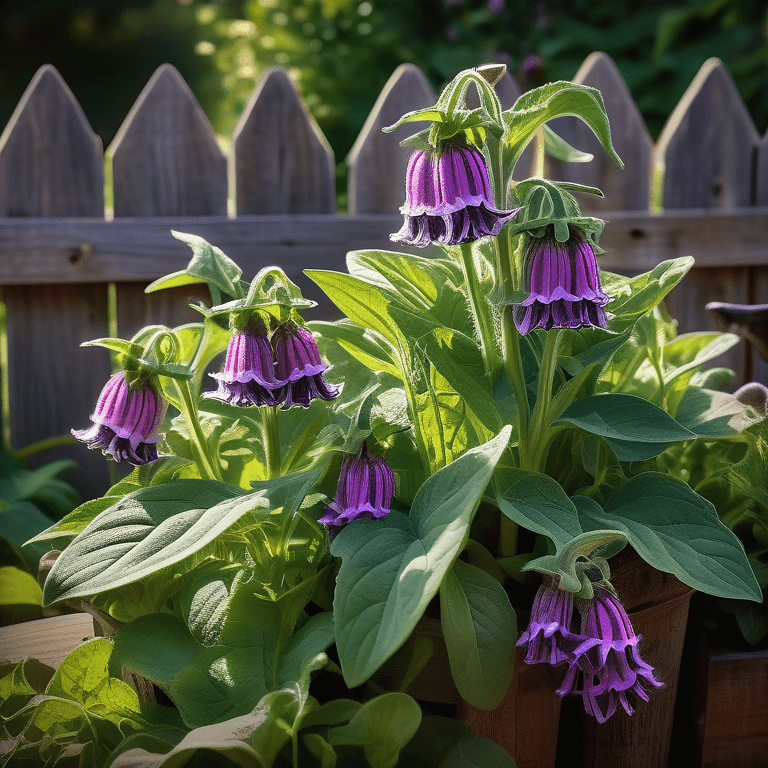
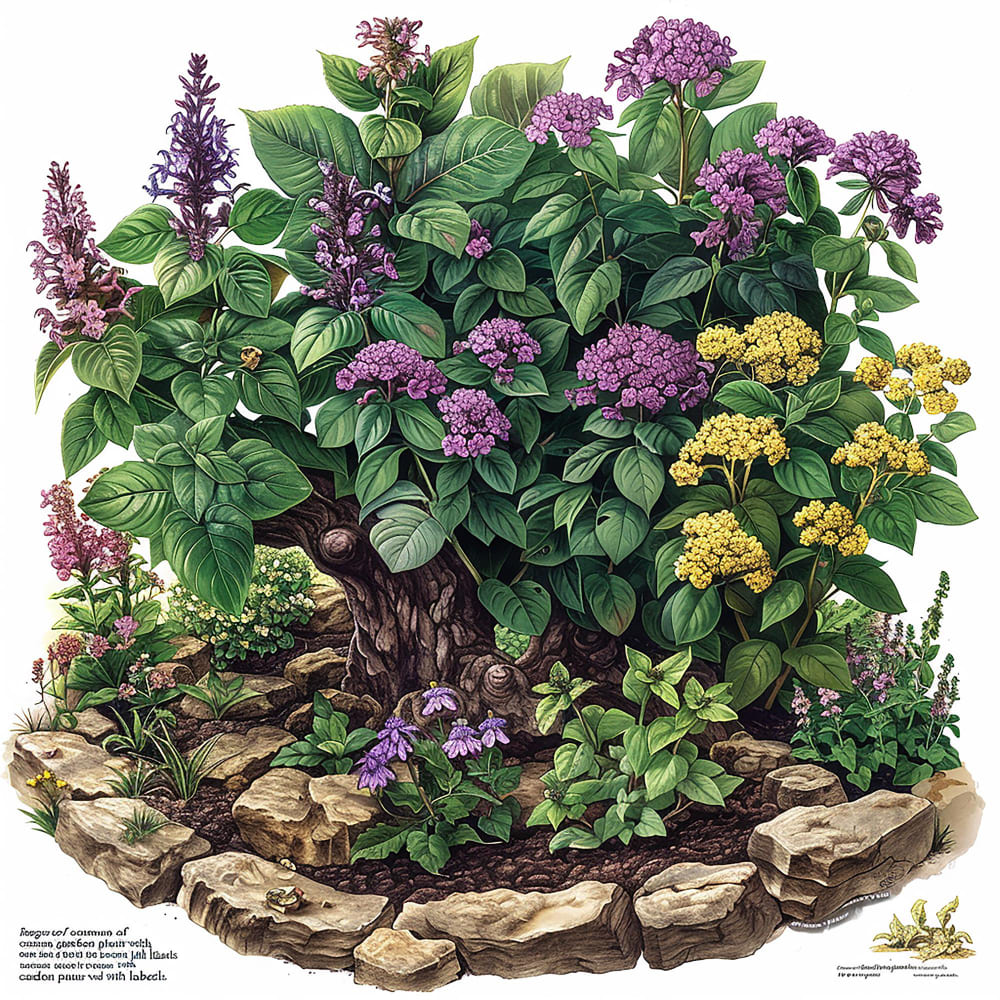
Comfrey, also known as symphytum officinale, is a versatile and beneficial plant that can be grown at home. With its numerous medicinal uses, permaculture benefits, and organic gardening properties, comfrey is a valuable addition to any garden. This blog will provide you with all the information you need to successfully grow comfrey and enjoy its many benefits.
Understanding Comfrey: Benefits and Uses

Comfrey, scientifically known as symphytum officinale, is a medicinal herb that has been used for centuries for its healing properties. It contains a compound called allantoin, which helps promote cell growth and repair. Comfrey is commonly used to treat wounds, ulcers, and sprains. It can also be used to make poultices and salves for various skin conditions. In addition to its medicinal uses, comfrey is also a valuable plant in permaculture systems, as it helps enrich the soil, attracts pollinators, and can be used as a compost activator.
The Healing Properties of Comfrey
- Comfrey has long been recognized for its medicinal properties and has been used for centuries to treat a variety of ailments.
- The plant's high concentration of allantoin helps reduce inflammation and promote healing of wounds and ulcers.
- Comfrey can be made into a poultice or salve to treat sprains, strains, and other musculoskeletal injuries.
- The natural allantoin levels in comfrey make it a great herb for after-sun care, as it can soothe sunburned skin and promote healthy skin regeneration.
Comfrey in Permaculture: A Key Plant
- Comfrey is a valuable plant in permaculture systems due to its ability to accumulate nutrients and organic matter in its leaves.
- The large leaves of comfrey can be cut and added to compost piles or used as a green mulch to enrich the soil.
- Comfrey plants attract pollinators, such as bees and butterflies, to the garden, promoting biodiversity.
- The deep taproot of comfrey helps break up compacted soil and brings up nutrients from deeper layers, benefiting surrounding plants.
Choosing the Right Comfrey Variety
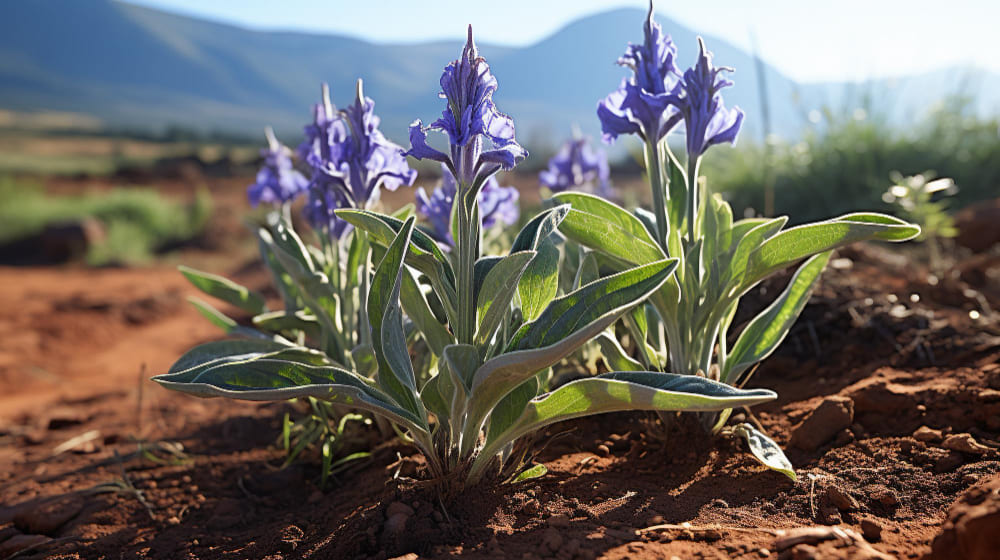
When it comes to growing comfrey at home, it's important to choose the right variety for your needs. Some common comfrey varieties include Bocking 14, true comfrey, and Russian comfrey. These varieties have different characteristics and uses, so it's important to understand their differences before making a choice. Bocking 14 is a sterile variety that is known for its high allantoin content and is often used for medicinal purposes. True comfrey, on the other hand, is a non-sterile variety that produces viable seeds and is commonly used for permaculture and organic gardening. Russian comfrey is a hybrid of the two and offers a balance between medicinal and permaculture benefits.
Bocking 14 vs. True Comfrey
Bocking 14 and true comfrey are two popular varieties of comfrey with distinct characteristics. Bocking 14 is a sterile variety that does not produce viable seeds, making it a good choice for gardeners who want to prevent unwanted spreading of the plant. It is known for its high allantoin content, which makes it ideal for medicinal uses. True comfrey, on the other hand, is a non-sterile variety that produces viable seeds. This variety is often used in permaculture systems and organic gardening, as it attracts pollinators and helps enrich the soil. Both varieties have their own unique benefits, so the choice between Bocking 14 and true comfrey depends on the specific needs and preferences of the gardener.
Best Conditions for Growing Comfrey
Comfrey is a hardy plant that can tolerate a wide range of growing conditions. However, there are some best practices to follow to ensure optimal growth and productivity. Comfrey thrives in full sun to partial shade, though it can tolerate more shade than some other plants. It prefers moist soil that drains well, so it's important to avoid waterlogged conditions. Comfrey can be grown from viable seeds or propagated from root cuttings or crown cuttings. The following table summarizes the best conditions for growing comfrey:
Condition Description Light Full sun to partial shade Soil Moist soil that drains well Propagation Viable seeds, root cuttings, or crown cuttings Germination time 10-30 days for seeds, transplanting in early spring or fall Harvest time Throughout the growing season Hardiness zones 3-9
Preparing Your Garden for Comfrey
Before planting comfrey in your garden, it's important to prepare the soil and create the optimal conditions for its growth. Comfrey prefers soil that is rich in organic matter, so it's a good idea to add compost or well-rotted manure to the planting area. This will help provide the plant with the necessary nutrients and promote healthy growth. Comfrey also benefits from a slightly acidic soil pH, so it may be necessary to adjust the pH if your soil is too alkaline. Additionally, ensuring good drainage is essential to prevent waterlogging, which can lead to root rot.
Soil Requirements and Preparation
Comfrey has specific soil requirements for optimal growth. It prefers soil that is rich in organic matter and well-drained. Adding compost or well-rotted manure to the planting area before sowing or transplanting comfrey can help improve the soil's fertility and provide the plant with the necessary nutrients. Comfrey also benefits from slightly acidic soil, with a pH range of 6.0 to 7.0. If your soil is more alkaline, you can lower the pH by adding organic matter, such as peat moss or pine needles. Ensuring good drainage is crucial for comfrey, as waterlogging can lead to root rot. If your soil is heavy clay or prone to waterlogging, consider amending it with sand or perlite to improve drainage.
Ideal Planting Locations
Comfrey thrives in full sun to partial shade, making it a versatile plant that can be grown in a variety of locations. It performs best in well-drained soil that is rich in organic matter. Comfrey can tolerate a wide range of soil types, including loam, clay, and sandy soils. However, it is important to ensure that the soil does not become waterlogged, as this can lead to root rot. Comfrey can also be planted near a compost pile, as the plant's large leaves can be cut and added to the pile to aid in the decomposition process. Additionally, comfrey can be grown in containers or raised beds, making it a suitable choice for urban gardens or small spaces.
Planting and Caring for Comfrey
Planting and caring for comfrey is relatively straightforward, making it an easy plant to grow at home. Comfrey can be propagated from root cuttings, crown cuttings, or viable seeds. Root cuttings and crown cuttings are the most common methods used by growers, as they are quick and reliable. Comfrey should be planted in well-prepared soil in either spring or fall. Once planted, it requires minimal care, including regular watering, feeding, and mulching. Comfrey benefits from occasional pruning to control its growth and promote bushiness. It is a hardy plant that can withstand cold temperatures and requires little maintenance once established.
Step-by-Step Guide to Planting
To plant comfrey, you have several options: root cuttings, crown cuttings, or viable seeds. Root cuttings and crown cuttings are the most common methods used by gardeners. Here is a step-by-step guide to planting comfrey using root or crown cuttings:
- Choose a sunny or partially shaded location with well-drained soil.
- Prepare the soil by removing any weeds or debris and adding compost or well-rotted manure to improve fertility.
- Dig a hole that is deep enough to accommodate the root or crown cutting.
- Place the cutting in the hole, making sure the top is level with the soil surface.
- Backfill the hole and firm the soil gently around the cutting.
- Water the newly planted cutting thoroughly.
- Mulch the planting area with organic material, such as straw or wood chips, to help retain moisture and suppress weeds.
- Water regularly, keeping the soil consistently moist but not waterlogged.
Watering, Feeding, and Maintenance Tips
Comfrey requires regular watering to ensure adequate moisture for growth. It prefers consistently moist soil but can tolerate some dry periods. Water comfrey deeply once or twice a week, depending on weather conditions and soil moisture levels. Avoid overwatering, as waterlogged soil can lead to root rot. Mulching around the plants can help conserve moisture and suppress weeds. Feeding comfrey with organic matter, such as compost or well-rotted manure, once or twice a year can provide additional nutrients for healthy growth. Pruning comfrey can be done to control its size and promote bushiness. Cut back the plants in late winter or early spring before new growth emerges. Use the pruned leaves as mulch or add them to the compost pile.
Harvesting and Using Comfrey
Harvesting comfrey is a simple process that allows you to enjoy its many benefits. The leaves of the comfrey plant are the most commonly used part. To harvest comfrey leaves, simply cut the leaves close to the base of the plant. It's best to harvest the leaves before the plant flowers, as this is when they contain the highest concentration of beneficial compounds. Once harvested, comfrey leaves can be used fresh or dried for later use. They can be used to make comfrey tea, a nutrient-rich liquid that can be used as a foliar spray or added to the watering can for plants.
When and How to Harvest Comfrey Leaves
Comfrey leaves can be harvested throughout the growing season. It is best to wait until the plants are at least 12 inches tall before harvesting the leaves. This allows them to establish a strong root system.
To harvest the leaves, simply cut them off at the base of the plant, leaving a few inches of stem attached. It is recommended to wear gloves as the leaves can be prickly.
After harvesting, the leaves can be used in various ways. They can be added directly to the compost pile to speed up the decomposition process and add valuable nutrients to the compost. The leaves can also be used to make comfrey tea, which can be used as a natural liquid fertilizer for plants. Simply steep the leaves in water for a few days, then use the tea to water your plants.
By harvesting comfrey leaves and using them in compost or as a liquid fertilizer, you can make the most of this nutrient-rich herb and improve the health of your garden.
Making Comfrey Tea and Other Uses
Comfrey tea is a popular use for comfrey leaves and offers various benefits for both plants and humans. To make comfrey tea, steep a handful of fresh comfrey leaves in a gallon of water for a few weeks. The resulting liquid can then be used as a foliar spray or soil drench to provide plants with a nutrient boost. Comfrey tea is rich in potassium, phosphorus, and other essential nutrients, making it an excellent organic fertilizer. Apart from its use in the garden, comfrey leaves can also be used to make comfrey salve, a topical ointment with skin-healing properties. The salve can be applied to minor cuts, bruises, and skin irritations to promote healing and reduce inflammation. However, it's important to note that comfrey should not be ingested or used on deep wounds, as it can be harmful.
Troubleshooting Common Comfrey Issues
Growing comfrey plants may sometimes come with a few challenges that need to be addressed for optimal plant health. By implementing effective pest management strategies, gardeners can prevent or control common pests that may affect comfrey plants. Additionally, proper disease prevention and treatment methods can help protect comfrey plants from rot and other diseases. By following best practices and promptly addressing any issues that arise, gardeners can ensure that their comfrey plants thrive and continue to provide them with the desired benefits.
Pest Management
Pest management is an essential aspect of growing comfrey plants. While comfrey plants are generally resistant to pests, they may still be susceptible to certain insects. The most common pests that can affect comfrey plants include aphids and slugs. To prevent infestations, regular monitoring of the plants is necessary. If pests are detected, organic pest control methods, such as using insecticidal soap or introducing beneficial insects like ladybugs, can be employed to manage the issue. Additionally, maintaining proper plant hygiene, such as removing fallen leaves and debris, can help prevent pest problems. By implementing effective pest management strategies, gardeners can ensure the health and vitality of their comfrey plants.
Disease Prevention and Treatment
Disease prevention and treatment play a crucial role in maintaining the health of comfrey plants. One common disease that can affect comfrey plants is rot, which is caused by excessive moisture and poor drainage. To prevent rot, it's important to ensure that the soil is well-drained and avoid overwatering the plants. If rot does occur, affected plant parts should be removed promptly to prevent the spread of the disease. Additionally, practicing crop rotation and avoiding planting comfrey in the same spot year after year can help prevent the buildup of disease-causing pathogens in the soil. By following proper disease prevention measures and promptly addressing any issues, gardeners can ensure the long-term health of their comfrey plants.
Conclusion
Comfrey is a versatile plant with numerous benefits for your garden and health. Whether you're interested in its healing properties or permaculture potential, growing comfrey at home can be a rewarding experience. By choosing the right variety, providing optimal growing conditions, and following proper care techniques, you can enjoy a bountiful harvest and make use of comfrey in various ways. From making comfrey tea to troubleshooting common issues, this guide equips you with the knowledge needed to cultivate top-quality comfrey plants successfully. Start your comfrey gardening journey today and reap the benefits of this valuable plant!
Frequently Asked Questions
Can comfrey be grown indoors?
Yes, comfrey can be grown indoors. However, it requires specific conditions to thrive. Provide comfrey plants with bright light, preferably from a south-facing window. Maintain a temperature range of 60-75°F (15-24°C). When transplanting comfrey indoors, ensure that the plant's root system remains intact, as it plays a crucial role in its overall health and growth.
How to propagate comfrey effectively?
Comfrey can be effectively propagated through various methods. Root pieces or crown cuttings can be taken from mature comfrey plants and planted in well-draining soil. Root cuttings are particularly effective, as they can quickly establish themselves and produce new plants. Plant the cuttings or crowns in a suitable location and provide them with proper care to ensure successful propagation.