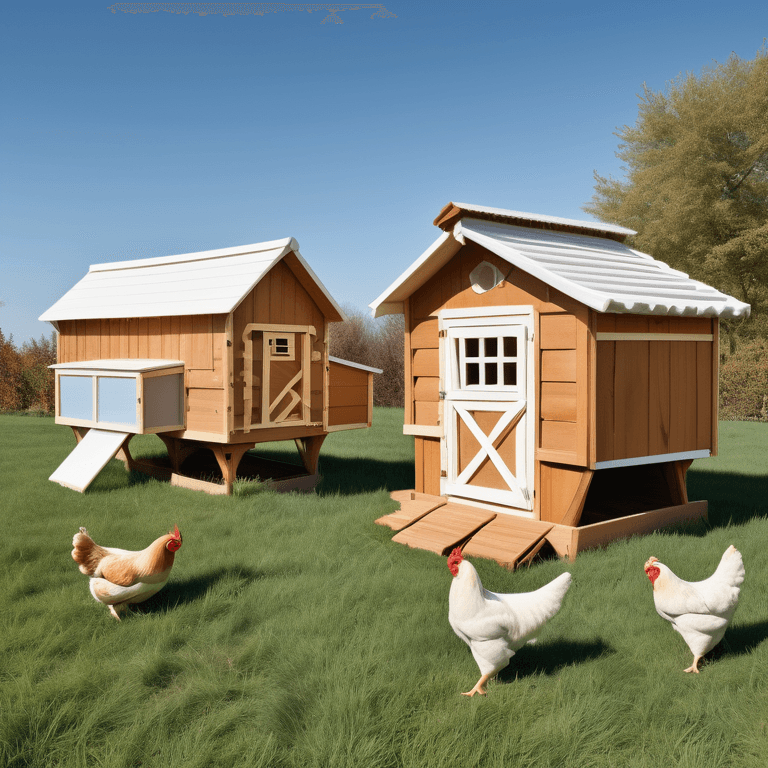
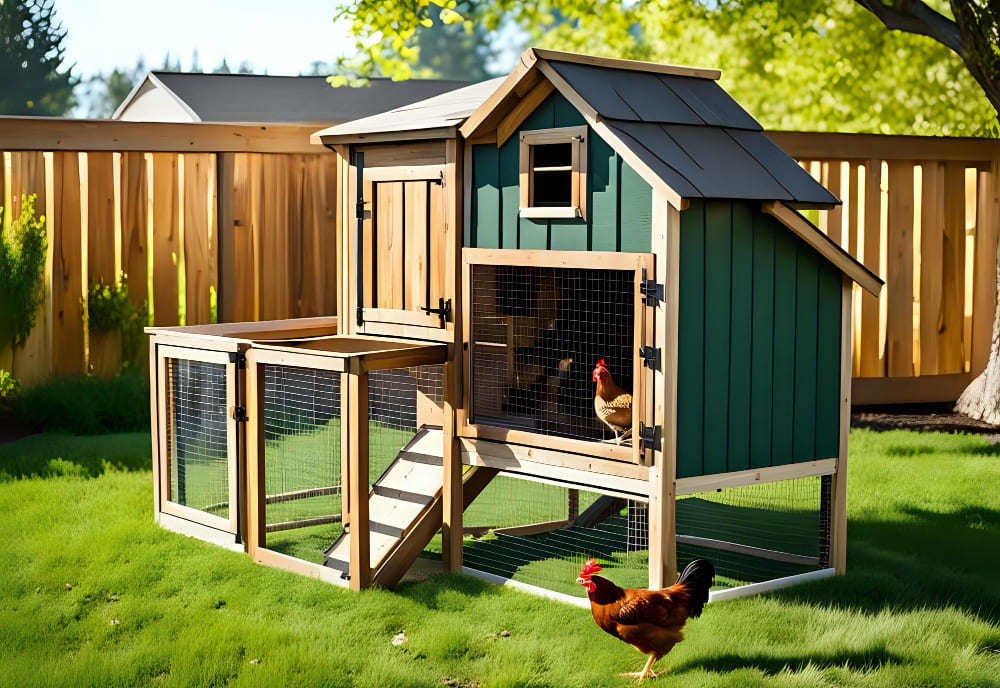
Which is Better: Plastic or Wooden Chicken Coop?
Introduction
Chicken keeping has become increasingly popular, and one of the important decisions for chicken keepers is choosing the right chicken coop. While wooden chicken coops have been the traditional choice for many years, plastic coops are gaining popularity due to their low maintenance and ease of cleaning. In this blog, we will explore the debate between plastic and wooden chicken coops, highlighting the key considerations and advantages of each. By decoding the pros and cons of both options, we aim to help chicken keepers make an informed decision that best suits their needs and preferences. Whether it's the ease of maintenance, durability, or aesthetic appeal, we will provide a comprehensive comparison to guide you in choosing the better option for your flock.
Decoding the Debate: Plastic vs. Wooden Chicken Coops
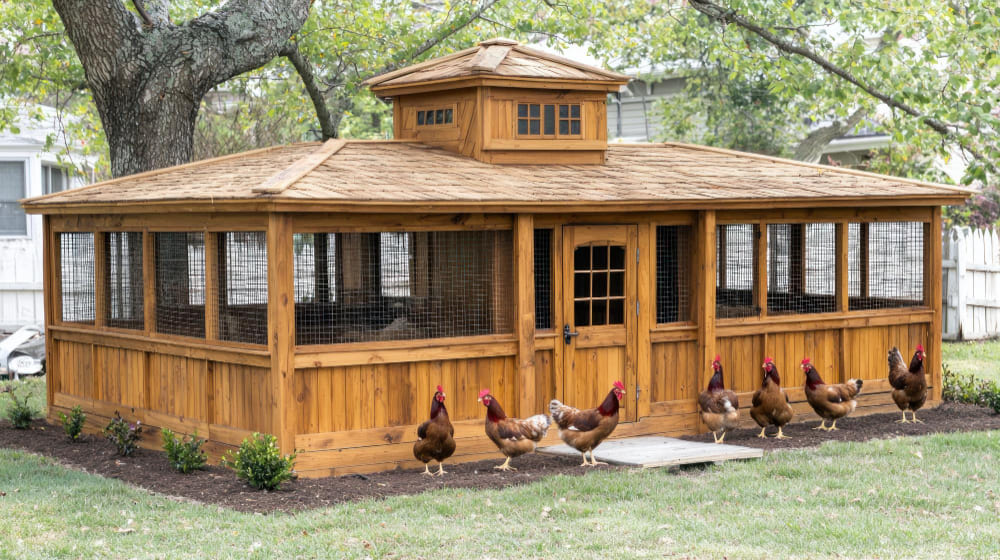
When it comes to chicken coops, there is an ongoing debate between plastic and wooden options. While both have their merits, it ultimately comes down to personal preference and specific requirements. Plastic chicken coops offer advantages such as ease of maintenance, resistance to pests, and longevity. On the other hand, wooden chicken coops have a traditional and rustic appeal, and some chicken keepers prefer the natural look and feel of wood. In the following sections, we will delve deeper into the key considerations and features of both plastic and wooden chicken coops, allowing you to make an informed decision.
An Overview of Chicken Coop Materials
Chicken coops are available in a variety of materials, but the two main options are plastic and wood. Wooden chicken coops have been the traditional choice for many years, known for their natural appeal and readily available at chicken supply stores. On the other hand, plastic chicken coops have gained popularity due to their low maintenance and durability. Plastic coops are made from high-quality recycled plastic, providing a long-lasting and weather-resistant housing solution for chickens. Wooden coops, on the other hand, require regular maintenance such as repainting and roof or board repair. It's important to consider the pros and cons of each material before making a decision, taking into account factors such as cost, durability, and ease of cleaning.
Key Considerations Before Choosing Your Coop
Before choosing a chicken coop, there are several key considerations to keep in mind. Firstly, assess the size of your backyard and the number of chickens you plan to keep. Ensure that the coop provides enough space for your flock to move comfortably. Good ventilation is crucial for the health of your chickens, so look for coops that offer proper airflow. Additionally, consider factors such as egg production and the ease of cleaning the coop. A well-designed coop should have features that make egg collection and cleaning convenient. Finally, prioritize predator resistance to protect your flock from potential threats. Taking these factors into account will help you choose a coop that ensures the well-being of your backyard chickens.
The Plastic Proposition: Exploring Plastic Chicken Coops
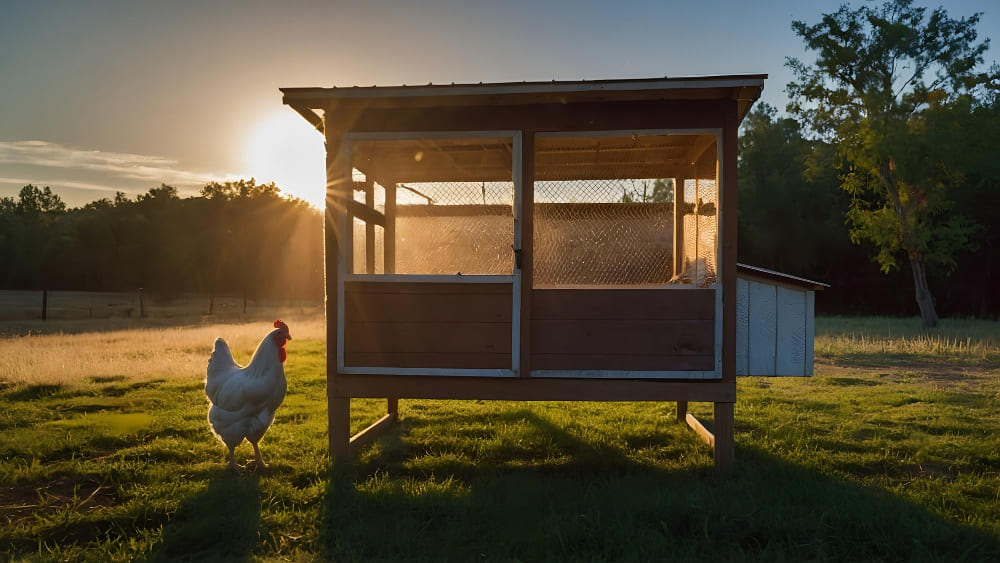
Plastic chicken coops have gained popularity in recent years due to their many advantages. One of the key benefits of plastic coops is their ease of maintenance. Unlike wooden coops that require regular painting and repairs, plastic coops are low maintenance and easy to clean. They are waterproof, making them resistant to moisture and preventing the growth of mold and mildew. Plastic coops also provide insulation, keeping chickens cool in the summer and warm in the winter. Their sleek and modern design adds a bold aesthetic to any backyard and they are easily moved with the addition of wheels and handles.
Highlighting Ease of Maintenance and Cleaning
Maintaining and cleaning a chicken coop is an important aspect of chicken keeping. Plastic chicken coops offer a significant advantage in terms of ease of maintenance and cleaning. Unlike wooden coops that require regular repainting and roof or board repair, plastic coops are virtually maintenance-free. They are made from high-quality recycled plastic that is resistant to the elements, eliminating the need for regular upkeep. Cleaning a plastic coop is also a breeze. With their waterproof construction, a quick hose-down is sufficient to remove any dirt or droppings. Additionally, plastic coops often have removable roosting racks and droppings trays that can be easily cleaned and replaced. Overall, the low maintenance and easy cleaning of plastic coops save chicken keepers valuable time and effort.
Assessing the Environmental Impact
The environmental impact of chicken coops is an important consideration for many eco-conscious chicken keepers. Plastic chicken coops offer a sustainable solution, as they are made from 100% recycled plastic waste. By repurposing plastic materials, these coops help reduce waste and contribute to a more sustainable environment. Additionally, plastic coops have a longer lifespan compared to wooden coops, reducing the need for frequent replacements and further reducing environmental impact. However, it's important to consider the entire lifecycle of the coop, including the materials used in its construction and disposal. Wooden coops can be eco-friendly if sustainably sourced and properly maintained, but plastic coops offer a clear advantage in terms of sustainability and reducing environmental footprint.
The Wooden Way: Advantages of Wooden Chicken Coops
While plastic chicken coops have their advantages, wooden coops also offer unique benefits. One of the key advantages of wooden coops is their natural and traditional look. For many chicken keepers, the rustic and classic appearance of wood adds charm to their backyard. Wooden coops are also readily available at many chicken supply stores, making them easily accessible. Additionally, wood is a renewable resource and can be eco-friendly if sustainably sourced. Wooden coops also offer customization options, allowing chicken keepers to add personal touches and create a coop that fits their vision.
Eco-Friendly Choice for the Green Thumb
If you have a green thumb and prioritize eco-friendliness, a wooden chicken coop may be the right choice for you. Wooden coops are made from a renewable resource and can be sustainably sourced. By choosing responsibly harvested wood, you can minimize the environmental impact of your chicken coop. Additionally, wooden coops can be easily customized and integrated into your backyard garden. The natural look and feel of wood blend seamlessly with outdoor surroundings, creating a harmonious and eco-friendly environment. Wooden coops also provide a sense of nostalgia and authenticity, adding a touch of rustic charm to your backyard.
Customization and Aesthetic Appeal
One of the advantages of wooden chicken coops is the ability to customize and personalize them. Wooden coops can be easily modified to fit your specific needs and preferences. Whether you want to add extra features, such as nesting boxes or automatic doors, or give your coop a unique design, wood provides the flexibility for customization. Additionally, wooden coops have a timeless aesthetic appeal. The natural grain and texture of wood add warmth and charm to any backyard. Wooden coops can be painted or stained in various colors to match your outdoor decor. The ability to customize and the aesthetic appeal of wooden coops make them a popular choice for many chicken keepers.
Head-to-Head Comparison: Durability and Predator Resistance
When it comes to durability and predator resistance, plastic and wooden chicken coops have notable differences. While wooden coops are more susceptible to rotting and damage from extreme weather conditions, plastic coops are designed to withstand the elements. Plastic coops offer superior resistance to moisture, preventing the growth of mold and mildew. In terms of predator resistance, plastic coops have solid, heavy-duty walls with no wire to push in or break, making them more secure. However, wooden coops can be vulnerable to predators as hardware cloth or chicken wire can loosen over time.
Text table:
Durability and Predator Resistance Plastic Chicken Coop Wooden Chicken Coop Resistance to Rotting and Weather Damage High Moderate Resistance to Moisture and Mold High Moderate Solid Walls without Wire Yes No Vulnerability to Predators Low Moderate
How Long Will Your Coop Last?
Durability is an important factor to consider when choosing a chicken coop. Wooden coops require regular maintenance and repairs to ensure their longevity. Over time, wood can rot, paint can fade, and shingles may need to be replaced. On the other hand, plastic coops are designed to last. Made from high-quality recycled plastic, these coops are resistant to the elements and do not require regular maintenance. The durability of a plastic coop can significantly outweigh the initial cost, as it can last for many years without the need for major repairs or replacements. Considering the long-term expenses and the hassle of maintaining a wooden coop, opting for a plastic coop can be a cost-effective and time-saving choice.
Keeping Your Flock Safe from Predators
Protecting your flock from predators is crucial for the well-being of your chickens. Plastic chicken coops offer superior predator resistance compared to wooden coops. The solid, heavy-duty walls of plastic coops make it difficult for predators to infiltrate. In contrast, wooden coops often have hardware cloth or chicken wire that can loosen over time, making it easier for predators to push their way in. Additionally, wooden coops may have tops that open on hinges, providing an opportunity for crafty predators to access the hens. Plastic coops, with their latching doors and solid construction, provide a secure environment for your flock. Keeping your chickens safe from predators is essential for their health and longevity, and plastic coops offer the peace of mind you need.
Navigating the Market: Similar Products and Alternatives
When it comes to chicken coops, there are various options available in the market. In addition to plastic and wooden coops, there are alternatives such as Smiths Sectional Buildings and Eglu coops. Smiths Sectional Buildings offer wooden chicken coops that are known for their durability and customizability. Eglu coops, on the other hand, are innovative and modern plastic coops that provide ease of maintenance and unique design. When navigating the market, consider the specific features, benefits, and limitations of each option to find the best fit for your flock and preferences.
Innovations in Chicken Coop Designs
In recent years, there have been several innovations in chicken coop designs. One notable example is the introduction of plastic chicken coops, which have gained popularity due to their low maintenance and ease of cleaning. Omlet's plastic chicken coops, such as the Eglu Go and Eglu Cube, are leading the way in innovative designs. These coops are made from 100% recycled plastic waste and are built to last. They offer superior durability and resistance to weather conditions, making them a reliable choice for backyard chicken keepers. Additionally, plastic coops like Omlet's are equipped with features like twin-insulation for temperature regulation, draft-free ventilation, and predator-resistant doors, ensuring the safety and comfort of your flock. With these innovative designs, chicken keepers can enjoy the benefits of low maintenance and long-lasting chicken coops.
Making an Informed Choice: Features to Look For
When choosing between a plastic and wooden chicken coop, it's important to consider the features that will best suit your needs and those of your flock. One key feature to look for is good ventilation. Proper ventilation is crucial to maintaining a healthy environment for your chickens and preventing the buildup of moisture and ammonia. Both plastic and wooden coops can offer ventilation options, but plastic coops like Omlet's Eglu Go and Eglu Cube are designed with draft-free ventilation systems that keep humidity levels down and ensure fresh air circulation. Another feature to consider is ease of cleaning. Wooden coops can be more difficult to clean thoroughly, as wood is porous and can absorb moisture, leading to mold and mildew. Plastic coops, on the other hand, like Omlet's, are easy to clean with removable droppings trays and pressure-washable interiors. By considering these features, you can make an informed choice that provides a comfortable and healthy living space for your backyard chickens.
The Final Verdict: Making the Right Choice for Your Flock
When it comes to choosing between a plastic or wooden chicken coop, there is no definitive answer. The right choice ultimately depends on your budget, lifestyle, and preferences for your flock. Wooden coops offer a more traditional look and lower upfront costs, but they require more maintenance and can be difficult to clean. On the other hand, plastic coops like Omlet's Eglu Go and Eglu Cube are easy to clean, resistant to weather and pests, and require zero maintenance. By considering factors such as cost, durability, maintenance, and ease of cleaning, you can make the right choice for your flock and provide them with a comfortable and secure living space.
Summarizing Pros and Cons
Let's summarize the pros and cons of plastic and wooden chicken coops. Wooden coops have lower upfront costs and a traditional look, but they can be difficult to clean thoroughly, absorb moisture, and require regular maintenance. They are also prone to pests and can be drafty, which is particularly dangerous in winter months. On the other hand, plastic coops like Omlet's Eglu Go and Eglu Cube are easy to clean, resistant to weather and pests, and require zero maintenance. They offer good ventilation, insulation, and predator resistance. However, plastic coops may have a higher upfront cost and may not have the same aesthetic appeal as wooden coops. By weighing these pros and cons, you can make an informed decision about which type of coop is best for your backyard chickens.
Our Top Picks for Both Plastic and Wooden Coops
If you're considering a plastic chicken coop, our top pick is Omlet's Eglu Go. This coop is made from 100% recycled plastic waste and offers easy maintenance, durability, and resistance to weather conditions. It has a modern look and features like twin-insulation, draft-free ventilation, and predator-resistant doors. For those interested in a larger coop, Omlet's Eglu Cube is another great option. It offers all the benefits of the Eglu Go, with the added advantage of more space for your flock. If you prefer a wooden chicken coop, our top pick is the Smiths Sectional Buildings coop. It offers a traditional look, lower upfront costs, and a range of customization options. However, it's important to note that wooden coops require more maintenance and may not be as durable as plastic coops.
Conclusion
In conclusion, whether you opt for a plastic or wooden chicken coop depends on a variety of factors such as maintenance, durability, environmental impact, and aesthetics. While plastic coops offer easy cleaning and lower maintenance, wooden coops provide a more eco-friendly and customizable option. Consider the longevity of the coop and the safety it provides against predators when making your decision. Assess your priorities and choose the coop material that aligns best with your needs and values to ensure the comfort and safety of your feathered friends. Make an informed choice based on your specific requirements for a happy and healthy flock.
Frequently Asked Questions
Which Material Offers Better Insulation Against Weather?
When it comes to insulation against weather, plastic coops have the upper hand. Omlet's plastic coops are twin-insulated, trapping a pocket of air to help regulate the temperature inside the coop. They also have well-placed ventilation points to ensure proper airflow. On the other hand, wooden coops require additional layers of insulation and careful ventilation planning to provide the same level of comfort for chickens in extreme weather conditions.