Mastering Carrots Growing Stages at Home
Introduction
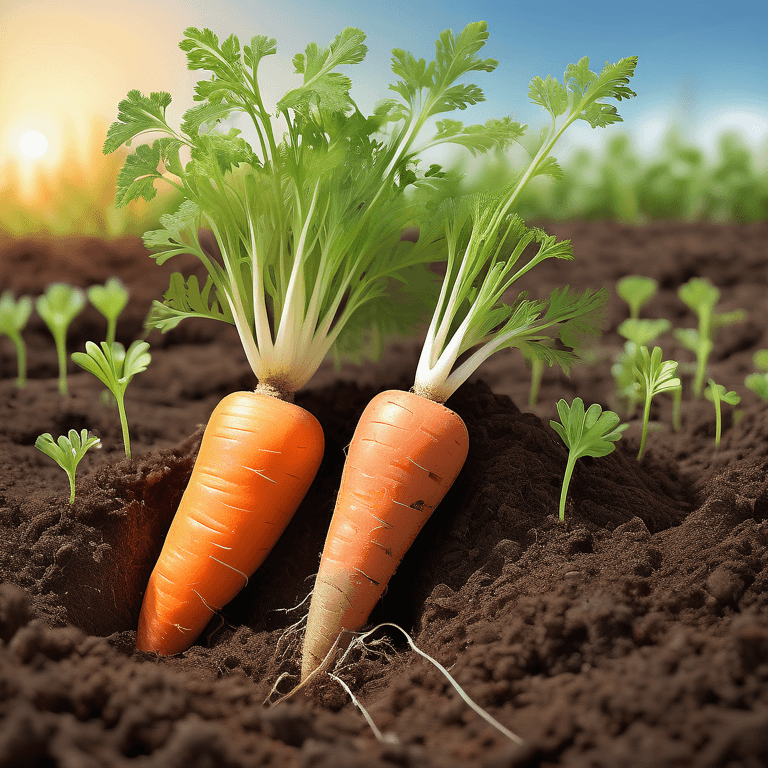
Embark on the journey of mastering the growth stages of carrots in your home garden. Understanding the intricate processes from seed germination to harvesting is vital for a successful harvest. By delving into the world of root development and leaf formation, you can optimize your plants' growth. Preparing your garden properly, choosing the right soil and planting techniques, is essential to ensure your carrot crop thrives. Join us in exploring the art of growing and caring for carrots, from seed to harvest.
Understanding Carrot Growth Stages
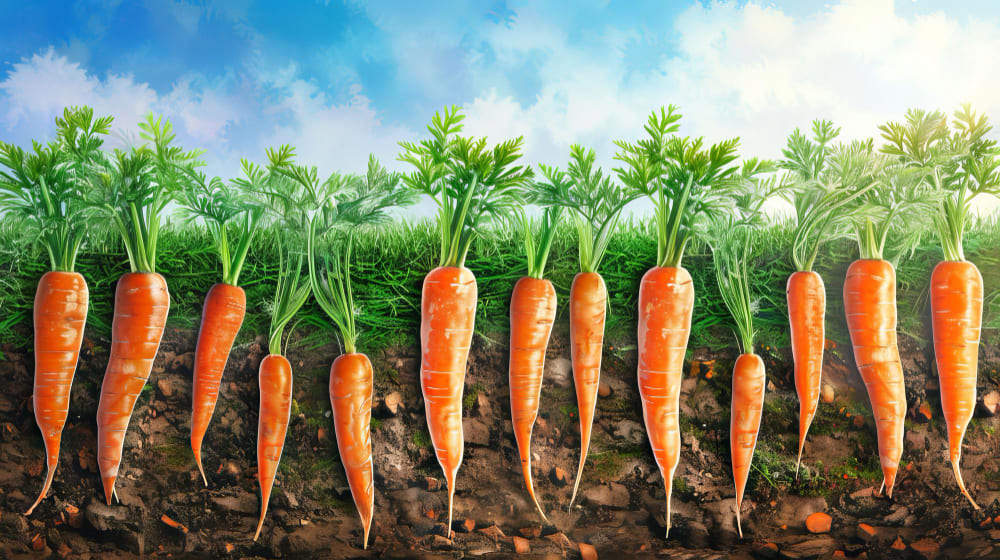
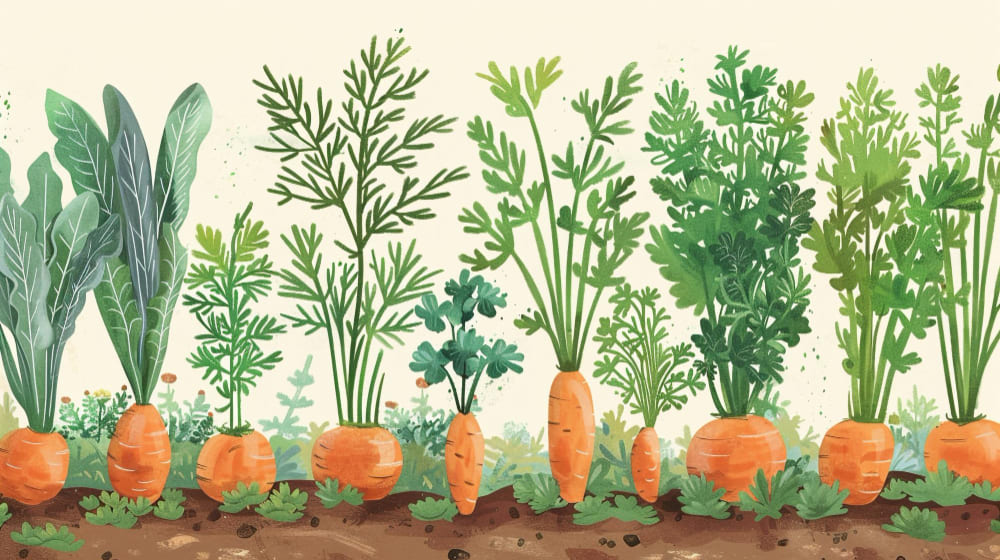
Carrot growth stages are crucial for successful cultivation. From seed germination to root development, each phase is vital. The process starts with seed germination, where carrot seedlings emerge. As growth continues, true leaves form, marking progress. Root development beneath the soil's surface is pivotal for healthy carrot growth and harvest. Understanding these growth stages is essential for home gardeners aiming to master the art of cultivating vibrant and delicious carrots.
Seed Germination Process
Carrot seeds germinate best in loose, well-draining soil with adequate moisture. The first stage begins when the seed absorbs water, causing it to swell and break open. This step is crucial for root development. Carrot seeds usually take 1-3 weeks to germinate, with warm soil temperatures speeding up the process. During germination, ensure consistent moisture to support healthy growth. Once seedlings emerge, thin them to provide enough space for mature carrots to develop properly.
Leaf Development and Root Formation
Carrots undergo significant leaf development and root formation during their growth stages. As the plant carrots grow, they produce true leaves that aid in photosynthesis and overall plant health. Simultaneously, beneath the soil surface, the root development progresses, anchoring the carrot plant securely and facilitating nutrient uptake. Understanding this stage is crucial for ensuring the successful growth of carrots in your home garden. Proper care during leaf development and root formation sets the foundation for healthy carrot growth and a bountiful harvest.
Preparing Your Garden for Carrots
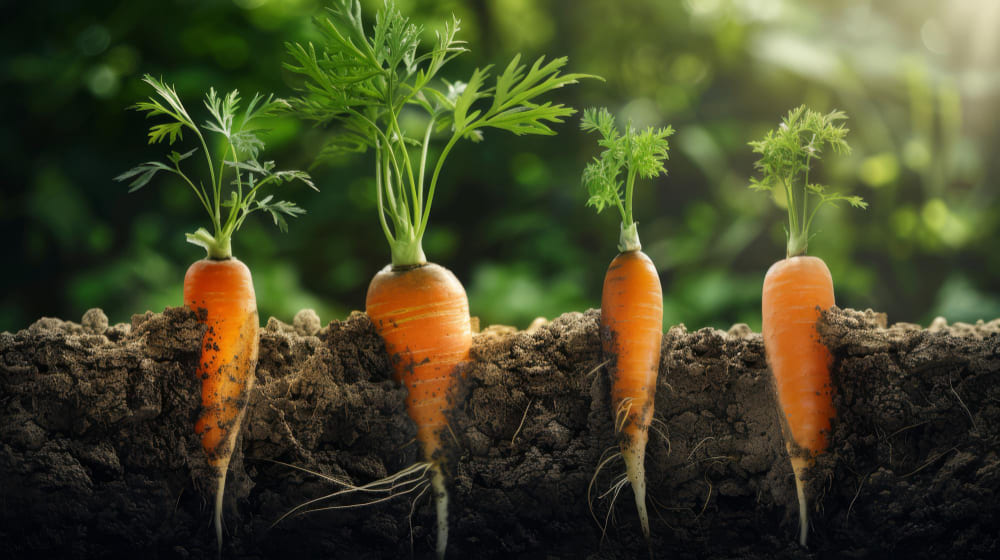
Choosing the right soil type is crucial for preparing your garden for carrots. Ensure the soil is loose to aid root development. Consider the pH level and nutrient content; carrots thrive in fertile soil with a neutral pH. Prepare the garden bed by tilling the soil and removing any debris. Check for adequate drainage to prevent waterlogging. Incorporate organic matter for nutrient-rich soil. Create rows with enough space between them to allow for proper growth and easy weeding.
Choosing the Right Soil Type
When planting carrots, choosing the right soil type is crucial for successful growth. Carrots prefer loose, well-draining soil to encourage proper root development. Opt for fertile soil with good structure and neutral pH levels. Avoid heavy soils that can hinder carrot growth. Additionally, incorporating organic matter into the soil can promote healthy growth. Understanding the soil conditions and ensuring consistent moisture are key factors in selecting the optimal soil type for your carrot crop.
Soil pH and Nutrient Requirements
To ensure optimal carrot growth, maintaining the soil pH between 6.0 and 6.8 is crucial. Carrots thrive in well-draining, fertile soil rich in organic matter. Nitrogen-rich fertilizers should be avoided as they can cause forked roots. Phosphorus aids in root development, while potassium promotes overall plant health. Consider conducting a soil test to determine nutrient deficiencies and adjust accordingly. Stay mindful of nutrient balance to nurture healthy carrot growth.
Planting Carrots Successfully
For planting carrots successfully, choose a sunny spot with loose, fertile soil. Ensure the soil is well-drained, as carrots prefer consistent moisture during their growth stages. Sow carrot seeds directly into the ground, about a quarter-inch deep and one inch apart, ensuring they have enough space to grow. Consider using techniques like drip irrigation to provide the necessary moisture without over-saturating the soil. Remember to sow seeds during the right times, allowing for a successful harvest later on.
Best Times to Plant Carrots
Choosing the best times to plant carrots is crucial for a successful harvest. Aim to sow your carrot seeds directly into the ground when the soil has warmed up to around 50-85°F. Typically, this falls in spring after the last frost date or in late summer for a fall harvest. Carrots thrive in full sun, so ensure they receive ample sunlight throughout the day to promote healthy growth. Consider factors like soil temperature, moisture levels, and the length of the growing season for optimal results.
Techniques for Sowing Carrot Seeds
When sowing carrot seeds, ensure the soil surface is well-prepared, fine, and free of rocks for optimal root development. Make shallow furrows using a garden fork or rake, placing seeds 1/4 inch deep. To avoid clustering, space seeds adequately, typically 1-2 inches apart. Cover the seeds lightly with loose soil and pat down gently. Keep the soil consistently moist post-sowing without overwatering. Thin out seedlings as they grow, ensuring enough space for healthy carrot growth. Utilize drip irrigation for efficient and consistent moisture distribution.
Caring for Your Carrot Crop
Watering your carrot crop consistently with deep watering to encourage root development is crucial for healthy growth. Managing weeds through mulching helps retain soil moisture and prevents competition for nutrients. Consider using organic mulch to enhance soil conditions. To prevent carrot rust fly infestation, practice crop rotation yearly. Monitor soil moisture levels regularly, especially in hot weather. Avoid over-watering to prevent diseases like powdery mildew. Implement proper watering strategies and weed management techniques to ensure your carrot crop thrives.
Watering Strategies for Optimal Growth
To ensure optimal growth, maintain consistent moisture levels by using drip irrigation or watering deeply but infrequently. Carrots require regular watering, especially during hot weather, to prevent splitting. The key is to keep the soil evenly moist but not waterlogged. Avoid overwatering to prevent root issues and diseases like powdery mildew. Provide about 1 inch of water per week, adjusting based on weather conditions. Water in the morning to allow foliage to dry, reducing the risk of diseases. Consider mulching to retain soil moisture.
Managing Weeds and Mulching
To maintain a thriving carrot crop, managing weeds and mulching are crucial steps. Weeds compete with carrot plants for nutrients, water, and sunlight, stunting their growth. Utilizing mulch helps suppress weed growth, conserves soil moisture, and regulates soil temperature. Organic mulches like straw or grass clippings are beneficial for preventing weed infestation and enhancing soil structure. Regularly inspect your carrot bed for weeds and apply mulch to deter their growth, promoting healthy carrot development.
Understanding and Preventing Common Pests and Diseases
Carrot crops are susceptible to pests like carrot rust flies and diseases such as powdery mildew. Identifying common carrot pests early on is crucial for effective control. Regular monitoring of your carrot plants can help detect signs of infestations or diseases. Disease prevention involves maintaining soil moisture levels and ensuring good air circulation to deter fungal growth. By practicing proper crop rotation and selecting disease-resistant carrot varieties, you can minimize the risk of pest infestations and diseases, safeguarding your carrot harvest.
Identifying Common Carrot Pests
Carrots are susceptible to a few common pests, such as the carrot rust fly. These flies lay their eggs near the base of carrot plants, and the larvae feed on the roots, causing damage to the crop. To prevent carrot rust fly infestations, it's important to implement pest management strategies like crop rotation, using floating row covers to physical protection, and removing any infected plants. Another pest that can affect carrot plants is the carrot weevil. The adults chew on the foliage, while the larvae tunnel into the roots. Removing infected plants and top-dressing with wood ashes can help control this pest. Keeping an eye out for these pests and taking proactive measures can help protect your carrot crop from damage.
Disease Prevention and Control
In addition to pests, carrot plants can also be susceptible to diseases, such as powdery mildew. This fungal disease appears as a white, powdery coating on the leaves and can affect the overall health and yield of the plants. Implementing disease control strategies like crop rotation, which involves planting carrots in different areas of the garden each year, can help prevent the buildup of pathogens in the soil. Regularly inspecting the plants for signs of disease and promptly removing any infected plants can also help prevent the spread of disease. Additionally, providing proper air circulation and avoiding over-watering can help reduce the risk of powdery mildew and other fungal diseases affecting your carrot plants.
The Art of Harvesting Carrots
Harvesting carrots at the right time is crucial for the best flavor and texture. Carrots generally take 2-4 months to mature, depending on the variety. They are ready for harvest when they have reached the desired size and color. The sweetness of carrots is enhanced after exposure to frost, as cold temperatures prompt them to convert stored starches into sugars. To harvest, gently pull the carrots from the soil by grasping them at the base of the stems. If the soil is compact, loosening it with a garden fork can help prevent damage to the carrots.
Knowing When Carrots Are Ready to Harvest
One of the indicators that carrots are ready to harvest is the color of their tops. When the green tops start to fade and turn yellow, it's a sign that the carrots are reaching maturity. Additionally, you can gently pull a few carrots from the soil to check their size. Mature carrots should be about 1/2 to 1.5 inches in diameter, depending on the variety. Another way to determine if carrots are ready to harvest is by checking the soil surface. If you gently brush away the soil and see a portion of the carrot root exposed, it's an indication that they are ready to be harvested.
How to Harvest Without Damaging the Crop
When harvesting carrots, it's important to do so without damaging the crop. Gently pulling the carrots from the soil by grasping them at the base of the stems is the best method. If the soil is compact or if the carrots are deeply rooted, using a garden fork to loosen the soil around the carrots can help prevent damage to the roots. Insert the fork slightly away from the carrot and gently lift the soil to loosen it. Once the soil is loosened, you can then gently pull the carrot from the ground. By being careful and gentle during the harvesting process, you can ensure that your carrots remain intact and undamaged.
Storing Carrots for Longevity
After harvesting carrots, it's important to store them properly to maintain their freshness and extend their shelf life. One of the best ways to store carrots is by refrigerating them. Place the freshly harvested carrots in plastic bags and store them in the refrigerator for up to a couple of weeks. Another option is to store the carrots in a cool basement or garage, where the temperature is around 34-40°F. Carrots can be stored this way for 4-6 months. Proper storage conditions help preserve the freshness and crunchiness of the carrots, allowing you to enjoy them for an extended period.
Best Practices for Storing Carrots
When it comes to storing carrots, there are a few best practices to keep in mind. If you have a cold storage area, such as a basement or garage, that maintains a temperature of 34-40°F, this is an ideal environment for storing carrots. Make sure to remove the green tops from the carrots before storing them, leaving only about 1-2 inches of stems. You can store the carrots in plastic bags or containers with damp sand, as this helps maintain their moisture and crispness. It's also important to choose the right carrot varieties for storage, as some varieties have better storage capabilities than others. And finally, remember that raw carrots tend to have a longer shelf life compared to cooked or processed carrots.
Tips to Maintain Freshness After Harvest
To maintain the freshness of your harvested carrots, there are a few tips you can follow. First, make sure to handle the carrots with care during harvest to avoid any damage. After harvesting, remove any excess soil from the carrots, but do not wash them as this can promote spoilage. Leave a small portion of the green tops intact, about 1-2 inches, to help retain moisture. Store the carrots in a cool place, such as the refrigerator or a cool basement, to slow down the loss of moisture and maintain freshness. It's also a good idea to periodically check on the stored carrots and remove any that show signs of decay or spoilage. By following these tips, you can enjoy fresh and flavorful carrots from your home garden for an extended period.
Conclusion
Successfully cultivating carrots at home requires a deep understanding of their growth stages, from seed germination to harvesting. By choosing the right soil, planting at optimal times, and implementing proper care techniques, you can ensure a bountiful harvest. Managing pests and diseases proactively is essential for maintaining a healthy crop. Knowing when and how to harvest, along with effective storage practices, ensures the longevity of your carrots. With these steps mastered, you can enjoy fresh, home-grown carrots year-round. Happy gardening!
Frequently Asked Questions
Can carrots be grown year-round?
Yes, carrots can be grown year-round, depending on the growing season and climate. In regions with mild winters, carrots can be planted in late summer for a fall harvest. In colder regions, carrots can be planted in early spring or late summer for a harvest before the first frost. Carrots thrive in full sun and can be grown by home gardeners with the right conditions and care.
How do I improve carrot sweetness?
To improve the sweetness of carrots, it's important to provide them with the right soil conditions and consistent moisture. Carrots prefer well-drained, fertile soil with consistent moisture levels. Avoid overwatering or excessive rainfall, as this can lead to dilution of the sugars in the carrots. Fertile soil with good organic matter content can also enhance the sweetness of the carrots. By providing these optimal growing conditions, you can enjoy sweeter carrots from your garden.