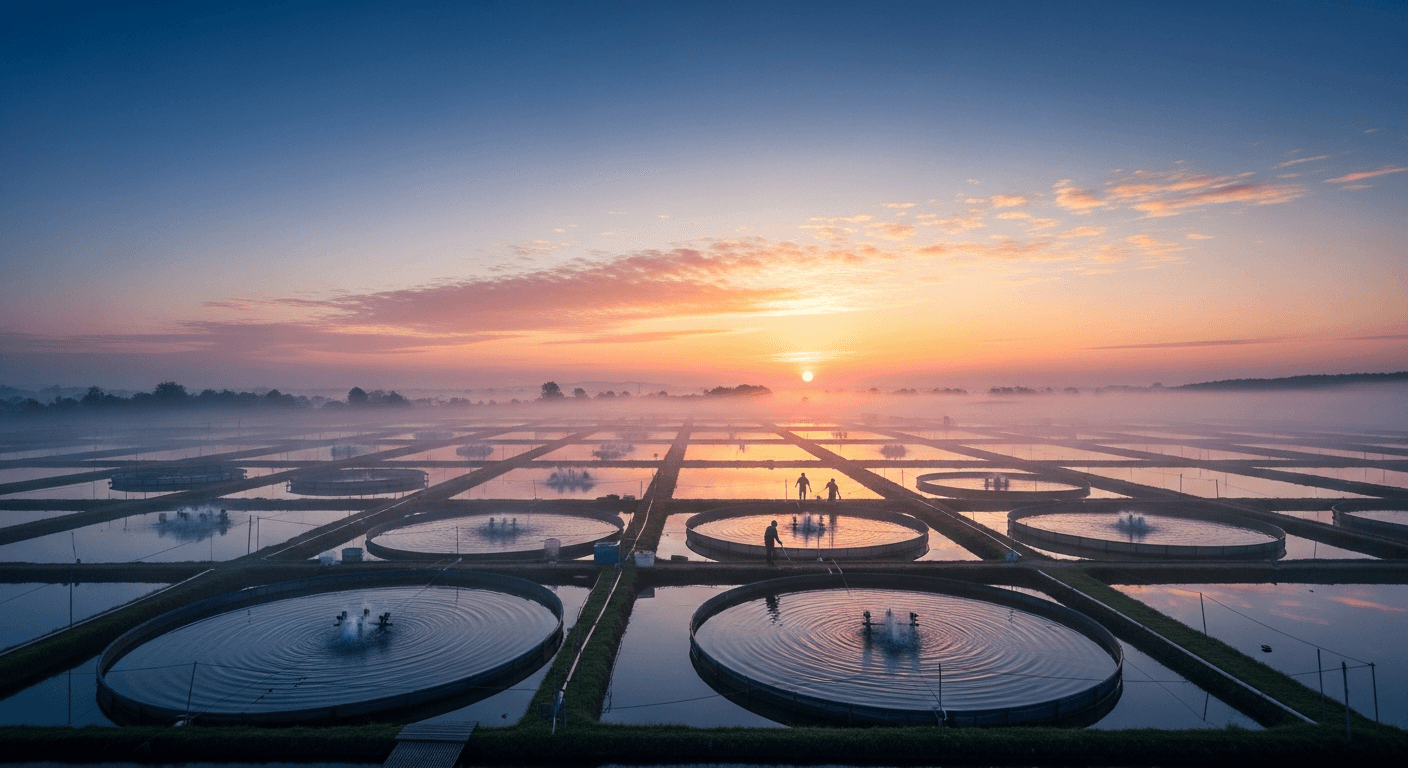

Aquaculture: The Complete Beginner's Guide
Introduction
Have you ever thought about where your favorite seafood comes from? As more people live in the world, the old way of catching seafood is not enough. This is when aquaculture steps in. It is all about raising aquatic organisms. Now, it is a big part of how we get food for everyone.
This guide will help you learn the basics of the aquaculture industry. You will find out what it is and why the aquaculture industry matters for food production. It will explain how this can shape the future of our food.
What Is Aquaculture?

Aquaculture is also called aquafarming. It is farming that happens in water. In this process, people breed, raise, and collect aquatic organisms. This can be fish, shellfish, or water plants. All of this work is done in places where the water is kept under control. It can be done in freshwater or saltwater. The way people farm changes depending on which aquatic organisms they want to grow.
The aquaculture industry is now a quick way to make protein for people. It plays a huge role in our food today. The reason people started using the aquaculture industry is that more people want seafood, but wild fish cannot give us all that we need. In this text, I will talk about what the aquaculture industry does, how it is not the same as old farming, and what its top goals are.
Definition and Simple Explanation
So, what is aquaculture in simple words? It is like planting crops or raising animals, but all happens in water. The cultivation of aquatic organisms is done in special tanks or spaces filled with water. People raise fish, shrimp, oysters, seaweed, and other aquatic organisms in these setups.
Aquaculture is when people raise aquatic animals and plants in an area they control. Farmers make the right conditions for these living things to grow. They do this in tanks made by people, ponds, or cages put in rivers or the ocean.
This practice is important because it gives people a steady supply of seafood to eat. It can also help save many types of fish. The aquaculture industry uses several ways to do this work. The techniques change depending on what each fish needs. This helps the fish grow well and stay healthy.
Aquaculture vs. Traditional Farming
Aquaculture is not the same as the kind of farming you see on land. The main difference is where things grow. Aquaculture is done in water. Regular farming takes place on the ground. There are also other ways they are different. They do not use water, food, and space in the same way. The way they affect nature is also not the same.
Fish farming is a big part of the aquaculture industry. It works well to turn feed into protein. You need about 1.1 pounds of feed to get one pound of fish. But to get a pound of beef, you need around 6.8 pounds of feed.
Here are a few key distinctions:
-
Space Usage: Traditional farming takes up almost half of the land that people can live on. Marine aquaculture uses water spaces instead. This helps to save land and makes better use of it.
-
Resource Intensity: Farming on land uses a lot of resources. For example, it needs a lot of water and food for plants or animals. It also creates a lot of greenhouse gases.
-
Carbon Footprint: Marine aquaculture, like seaweed farming, puts much less carbon into the air than raising animals on land does.
-
Water Use: Both land farming and marine aquaculture need water. Some aquaculture systems that recycle water can help lower how much water they use by using it again.
Main Objectives and Applications of Aquaculture

Aquaculture matters a lot to many people. The big aim of aquaculture is to help with food production and make food security better for everyone in the world. Right now, wild fish are in danger because people catch them too much. Aquaculture gives us a steady and reliable way to get fish. This helps fix some of the issues that happen when wild fish are used too much.
Aquaculture is used for many things that be good for people. It gives us food, helps people make money, and helps nature too. When seafood is grown close to home, people there get fresh food. This way, we do not have to use wild fisheries as much, so they do not get used up too soon.
Here are some of the main objectives:
-
Meet Global Demand: There are more people in the world today. We need more protein to feed everyone.
-
Relieve Pressure on Wild Stocks: Sustainable aquaculture helps get fish without taking wild fish. This can keep wild fish safe and their numbers steady.
-
Create Economic Growth: Fish farming gives jobs and supports local people. It can help families in coastal and rural areas.
-
Promote Environmental Health: Seaweed farming and raising shellfish are types of sustainable aquaculture. These ways can help improve water quality and even clean up water.
A Brief History of Aquaculture
Aquaculture is not new. People began doing it more than 4,000 years ago. This practice has been with us for a long time. Now, you can see it in many places across the world. It has grown up a lot over the years and is now a big part of our lives. The story of aquaculture started with old ponds. Now, it is a big business all over the globe and has many great moments in its history.
The aquaculture industry has seen big growth in the 21st century. This is happening because wild fisheries are not as strong as before, and people need more protein. In this text, you will read about how the practice got its start, some of the main steps in its growth, and how the aquaculture industry got bigger in the United States.
Early Beginnings Around the World
The story of aquaculture begins a long time ago in China. People wanted to raise fish in inland waters. They did this for many years. The practice helped them have more food for their meals. It was safer and more steady than trying to catch wild fish from rivers and lakes.
Farming began in China many years ago. As time went on, the first ways of farming moved to other parts of the world. People in each place changed how they farmed to suit their land and what they had to work with. These old ways helped people build better farming systems that they use now.
The main idea was always to look after and help the growth of aquatic life in a space where people can check everything. This key start made it possible for aquaculture to get bigger with time. It turned from being a small task to a large industry in many places around the world.
Milestones in the Development of Aquaculture

Aquaculture has changed a lot over the past years. This work is one of the top food production sectors now. It saw rapid growth because people needed more ways to get food and protein. There were also problems with overfishing. The development of aquaculture helped solve these problems. So, in the recent decades, this area has helped meet food production needs.
There was a big change in shrimp farming in the 1980s. Shrimp farming started to grow quickly in this time. It turned into a large business. This fast growth brought many problems. A lot of tropical mangroves were cut down. This was not good for the environment.
Today, new ideas help push the industry to grow. The use of recirculating systems, integrated farming, and big aquaculture ships are great steps in the field. These things shape the way aquaculture production works today and also play a big part in global aquaculture production.
Time Period Key Development Ancient Times Early forms of fish farming developed in China. 1980s Widespread commercialization of shrimp farming begins. 21st Century Aquaculture surpasses wild capture as the main source of seafood. 2022 China launches the world's first mobile aquaculture ship.
Growth of Aquaculture in the United States
The aquaculture industry in the United States is getting bigger. It is now an important part of the country's food system. People in the industry raise many fish and shellfish. In the South, farmers produce catfish. On the coasts, they raise salmon and shellfish. This growth is because people in the United States want to get fresh seafood from local farms.
The growth of the U.S. aquaculture industry depends a lot on the national aquaculture legislation overview. This overview puts in place rules that protect the environment. It also makes sure the food we get is safe and that the animals stay healthy. The rules help the aquaculture industry grow in a way that is good for everyone and can last for years to come.
From clay ponds in Mississippi, people take thousands of pounds of catfish from every acre. In New England, there are seaweed farms that are new. These places show that the aquaculture industry in the United States changes a lot from one area to another. The United States is not the biggest producer in the world, but it uses new tech and finds ways that are good for the planet. Because of this, the United States has a big part in what will happen next in the aquaculture industry.
Types of Aquaculture Systems
There is not just one way that works for everyone in aquaculture. The types of aquaculture and the aquaculture systems people use depend on a few things. It can be the kind of species they want to grow, the place they choose, and what they want to get from farming. These aquaculture systems are often put into groups by the water they use. This could be freshwater, marine water, or in some cases, both.
There are many types of aquaculture systems. Some of them are just easy ponds, but some use new tools and can be complex. Every type has its good side and some tough sides too. In this text, we will talk about the common types of aquaculture systems. This covers systems that are in freshwater, marine spots, and on the coast. We will also talk about a newer way where more than one kind of species is raised on the same farm. This new idea helps make the farm better for nature.
Freshwater Aquaculture
Freshwater aquaculture is when people raise aquatic organisms in tanks, ponds, or rivers that are not near the sea. This way of raising fish is one of the main forms of aquaculture. A lot of people use freshwater aquaculture to farm different types of freshwater fish. Some common types are catfish, tilapia, and trout.
One way people often farm fish is with earthen fish ponds. These fish ponds might be naturally found or people might dig them out. Fish grow in these ponds. A lot of people in Mississippi use fish ponds like this. They get many fish this way. But, birds and turtles sometimes eat the fish in these fish ponds. To protect the fish, paddles move the water around. This helps clean the water and put air into it for the fish.
Another new kind of freshwater aquaculture is recirculating aquaculture systems (RAS). These aquaculture systems have tanks set up on land. Many are inside large buildings, such as warehouses. The water in these tanks is cleaned by filters. Then, they use the same water again. With this way, people can watch the water and fish closely. But, you will need a lot of power and special tools to run it.
Marine and Coastal Aquaculture
Marine and coastal aquaculture is also known as mariculture. It happens in the ocean, near the coast, or in other places with saltwater. People use this kind of work to grow many marine species. These can be finfish, shellfish, or seaweed.
When people talk about marine aquaculture, the first thing that comes to mind is net pens. These net pens are like large cages. Usually, they are round. They sit in shallow areas near the coast and stay in place so that fish, like salmon, can live and grow inside them.
Some offshore farms use the same kind of method for marine aquaculture. They put the net pens out in deeper water, where the sea is stronger and the waves move more. These systems need more time and people to look after them. They also use better equipment, like feed tubes that go from a barge out in the water.
Farmers grow shellfish and seaweed in different ways. Some of them use longlines, which are ropes under the water. These ropes are good for kelp and mussels to grow on. People grow oysters in bags or cages. These can float or stay on the seafloor. In marine waters, these animals and plants get all the food and energy they need to grow.
Integrated Multi-Trophic Aquaculture
Integrated Multi-Trophic Aquaculture, or IMTA, is a better way to farm fish and other water animals. It is good for nature because it tries to act like the real food chain in the wild. In IMTA, people raise several kinds of animals and plants. These animals and plants live at different steps in the food chain. The waste from one animal is not lost. Another living thing in the system can use this waste as food. This makes less waste and helps all the parts work well together.
A farm can keep finfish in net pens. The extra feed and fish waste have a lot of nitrogen in them. Aquatic plants like seaweed use this as food. Shellfish such as mussels or scallops, living near the net pens, can eat it too. This helps to make the system balanced and keeps things going in a circle.
This method is a great way to practice sustainable aquaculture. It helps lower waste and stops water pollution. IMTA turns extra byproducts into useful things. This can cut back on how much harm farming does to the land and water. It also keeps the water in the area clean. With this method, you can get more products and make better profits from your farm.
Common Species Raised in Aquaculture
The aquaculture industry raises many different aquatic organisms. These can be grown to meet needs in many parts of the world. What people farm often depends on what the market wants, the climate in that area, and the type of farming system they use. The main types in this field are finfish, shellfish like crustaceans, and aquatic plants.
Aquaculture helps give us a steady supply of fish species that we eat a lot, as well as seaweed that shows up often in food places. Let's take a look at some of the fish species and plants that people grow using this method.
Popular Fish Species
Finfish farming is the most common form of aquaculture. In this type, people grow fish like many popular fish species. This kind of farming can be harder than other ways to raise fish. Fish can be kept in freshwater ponds or out in the ocean, like in offshore ocean pens. The fish start their life in special places made by people for breeding. Then, they go to farms so they can get bigger. When the fish are big enough, people sell them.
The people who take care of the fish make sure they live in the right place. They know what the fish need. Some fish, like Atlantic salmon, are kept in cold water net pens. Other fish, like tilapia, like warm water. So, they grow tilapia in tanks with fresh water.
Some fish species are raised in many places around the world. Here are some of the most popular fish species:
-
Salmon: Most of the time, this is Atlantic salmon. They live in net pens by the coast.
-
Catfish: This freshwater fish is often farmed in earthen ponds in the U.S.
-
Tilapia: This freshwater fish grows fast and is used in many dishes.
-
Rainbow trout: This is one of the top freshwater fish raised in raceways or ponds. People know it well.
Cultivation of Crustaceans and Shellfish
The aquaculture industry does much more than raise just finfish. It is known for growing crustaceans and shellfish too. Shrimp farming is very big around the world. A lot of people work in this area. Many places also grow bivalve molluscs like oysters, clams, and mussels. People eat these, and they are good for the environment too.
Shellfish farming often starts in a hatchery. In this place, the small shellfish larvae grow until they are big enough for people to call them "seedlings." After this part, the shellfish go to the farm. A good thing about growing bivalves is that they do not need food brought from outside. They get all they need from the water they live in. This helps keep the ocean clean, too.
Here are some common types of crustaceans and shellfish that people grow on farms:
-
Shrimp: These live in ponds close to the coast. Shrimp are a big part of the world's seafood that you can buy.
-
Oysters: People grow oysters in bags or cages. These can float or stay right on the seafloor.
-
Mussels: Most farms raise mussels on ropes. The ropes hang down from things that float on the water.
-
Clams: Farmers keep clams on the seafloor. Clams dig into mud or sand.
Farming Aquatic Plants and Seaweed
Growing aquatic plants, such as seaweed, is getting common in marine aquaculture. Seaweed farming is good for the environment. It does not need many supplies and can make water quality better. The seaweed takes extra nutrients and carbon dioxide from the water.
In the U.S., sugar kelp is the seaweed that people grow the most. It grows on ropes that stay under the water by a few feet. These ropes have spores placed on them, and then the kelp begins to grow quickly. It only takes a few months to be ready to pick. After harvest, the seaweed usually goes fresh to restaurants.
Here are some things you should know about farming aquatic plants:
-
Low Maintenance: Seaweed grows in the sea. It does not need extra fertilizer or feed. The ocean gives it all that it needs.
-
Carbon Sequestration: A seaweed "forest" can take in a lot of carbon from both water and air. This helps with climate change in the long run.
-
Habitat Creation: Seaweed farms can be a good place for many marine species. They give these species a safe spot to live and grow.
-
Nutritious Product: A growing number of people now see that seaweed and algae have good things for your health. They give your body what it needs to feel well.
How Aquaculture Works
Now that we know what aquaculture is and what you can get from it, let's talk about how it works. Good aquaculture operations need you to watch a few important things. The water has to be right for the fish or other animals. Food is also very important. Every little thing can matter a lot if you want your farm to be healthy and to grow well.
The process is not just about putting fish in water. You need to know what the species need and how the environment works. We will talk about why water quality is important. We will also go over what goes into feeding and nutrition. Then, we will talk about the last steps, which are harvesting and processing the products.
Water Quality and Environmental Conditions
Keeping good water quality is very important in all aquaculture operations. If the water is not clean or safe, the fish and other animals will not grow well. Farmers need to check and manage many things in the water. This stops stress, sickness, and death in the animals.
Some important things you need to look at are temperature, dissolved oxygen, pH, and how much ammonia, nitrite, and nitrate are in the water. Fish waste can build up and take a lot of the oxygen from the water. This can bring bad conditions or start algal blooms. Sometimes, these become harmful algal blooms. That is why it is so important to have good water movement and use a filter.
The environmental impacts of an aquaculture farm mostly depend on how well water quality is managed. New aquaculture systems can help with this. For example, recirculating aquaculture systems keep the water clean by filtering and recycling it all the time. When farmers use open systems like net pens, they must think about the area around them. This helps to make sure that pollution does not happen.
Feeding and Nutrition in Aquaculture
Feeding fish the right food is key in fish production. You need to give them food that matches what they need. This helps the fish grow strong and stay healthy. With good food, you get better fish for people to eat and buy.
Aquaculture feeds give fish the right amount of proteins, fats, vitamins, and minerals. Many fish that eat other fish used to get food that was made with fishmeal and fish oil from wild fisheries. But now, people in the industry use more plant-based proteins and algae. This change helps lower the stress on wild fisheries.
The stuff in the fish feed makes a big difference for people who eat the fish. If there are a lot of omega-3 fatty acids in the feed, the fish will also have more of these. This is good for human health. People often pick food from aquaculture when they want something healthy that is full of protein. A lot of us want these because we need a good way to get fatty acids and protein.
Harvesting and Processing Techniques
When the farmed fish grow large enough to sell, people start to harvest them. Then, they are sent to be processed. The way people harvest fish depends on the system and the kind of fish they have. For example, in pond aquaculture, workers often use a big net called a seine. This helps them catch the fish. In net pens, they move the fish into one area so it is much easier to take them out.
After people pull in the catch, the fish products right away go to the factory for work. This step is very important so the fish products stay safe and good. Here, the fish go through gutting, filleting, freezing, and packaging. All of this needs to be quick and clean. This way, people get fish products that are fresh.
The aquaculture industry now uses new ways to keep animals calm when they are picked. This helps lower stress for them. The people who work in this industry also follow strong rules for food safety as they get the food ready. These final steps, from the farm to the table, are very important for the aquaculture industry to do well.
Importance of Aquaculture for Food Production
Aquaculture is a big part of food production today. As more people live in the world, the need for protein also gets higher. The aquaculture industry helps by giving more fish, since normal fishing can not meet all our needs. This way, farming fish gives all of us a good and steady supply of seafood.
This practice helps us make more food. But it is also about making sure there will be enough food in the future. Now, let's look at how aquaculture adds to food supplies all over the world. We will also talk about why it is important for money and jobs in the United States. We will see how it can help us build a better seafood system that lasts a long time. Food security is important for all of us. Aquaculture can help the United States reach this goal.
Role in Global Food Security
Aquaculture production is important for people to have enough food. There are not enough wild fish to give us all the seafood people want. Because of this, global aquaculture production has become more important. It helps people meet the growing demand for seafood. Experts say we cannot get all our protein by catching wild fish. We need aquaculture production to help with food security and give people the seafood they need.
Aquaculture helps people have a stable way to get food. It is really good in areas where regular food can be hard to get or trust. Fish and other things grown in aquaculture feed billions of people around the world. A lot of people use seafood as their main way to get protein.
Here's how aquaculture bolsters food security:
-
The industry gives more than half of the world's seafood.
-
It is the better choice because wild fisheries are going down.
-
Local people can make their own food, so they do not need to bring in as much from outside.
-
The food has a lot of protein. It is full of good oils, vitamins, and minerals.
Economic Significance in the United States
In the united states, aquaculture plays a big part in the economy. This works by making jobs for people. The jobs help the towns and cities where all these businesses are. Aquaculture also adds to the food people eat across the country. There are many small family-owned farms and some farms that are large. A lot of Americans get their main income from working in aquaculture.
The industry gives a lot to many areas. This includes making feed, giving equipment, working on processing, and moving products. A strong set of rules from the national aquaculture legislation overview helps the industry stay strong. These rules give businesses a steady and clear way to do what they do. This helps them feel more sure about what's next and feel safe in their work.
By growing more seafood in the U.S., the country will not need to get as much from other places. A lot of the seafood people eat right now comes from outside the U.S. If we make more seafood here, it helps the economy grow. People can also get more fresh and local food.
Contributions to Sustainable Seafood Supply
One big way aquaculture can help is by giving people a steady and safe supply of seafood. When people run it the right way, this can take some pressure off wild fisheries. Many wild fisheries are overfished or close to big problems. If we use aquaculture in a smart way, it can protect sea life and help wild fish groups come back and grow again.
Sustainable aquaculture cares about the planet. It uses less and works to stop waste. This way, the local area stays safe. A good way to show this is by growing shellfish like oysters and mussels. They help make the water quality better because they take out extra things in the water. This is a good step for environmental sustainability.
There are still some problems, but the industry is trying to fix them and be more green. When people use best practices and new tools, aquaculture can give us the seafood we need. This helps stop our oceans from running out of fish. It also keeps the planet healthy for us and for people in the future.
Key Challenges and Environmental Considerations
The aquaculture industry brings many good things for people. But there are also some big challenges and things to think about for the environment. Just like other food production methods, it can bring some bad environmental impacts if it is not handled the right way. People are worried about the spread of disease, water pollution, and how resources are used in the aquaculture industry.
Taking care of these problems is key for the future of farming. The farming industry needs to use best practices. This will help lower the harm that farms do to nature. It will also help farms work better with the environment. This is becoming even more needed as climate change gets worse. Now, let's talk about some problems and things people are doing to fix them.
Disease Management and Biosecurity
Disease management is a big problem in the aquaculture industry. When fish and other living things stay close together, disease can spread fast. This can lead to big losses for farmers. There is also a chance that these diseases might get out and hurt wild animals.
Good biosecurity steps help stop and manage diseases in shrimp farming. New animals should be kept alone at first before joining others. It is good to use strong young animals that are not sick. People need to look for signs of illness often and keep water clean. Sometimes, antibiotics may be used. But now, the shrimp farming industry wants to use fewer antibiotics. They do this by using vaccines and better ways to manage health.
If people do not take care of diseases the right way, it can be bad for human health. This can happen if the disease spreads or if treatment is not used the right way. That is why it is so important to focus on biosecurity. A good biosecurity plan can keep fish or animals safe if you farm them. It also helps keep the final product safe for people.
Environmental Impacts and Solutions
Is aquaculture good for the environment? The answer is that it depends on how people manage it. If farms are not done well, they can cause big environmental impacts. For example, fish waste and extra feed from net pens can build up around the farm. This build up of nutrients can take oxygen out of the water. It can also lead to algal blooms, including harmful algal blooms.
But the industry is working on new ideas to help with these issues. The goal is to make farm impact smaller and help the environment, too. Changes in how farms are set up, what the fish get to eat, and the way waste gets taken care of are all important. These things can make aquaculture better for the planet.
Here are some common impacts and their solutions:
-
Fish Waste Buildup: If you put fewer fish in one spot, you can have less fish waste. Some ways of farming use this waste as food for other animals.
-
Water Pollution: When you use recirculating systems, they will keep water clean and use it again and again. This stops water with fish waste from leaving the farm and going into the environment.
-
Habitat Destruction: Farms need to be built in safe places. You should not place them where the land, like mangroves, is easy to harm.
-
Disease Spread: Good care and strong biosecurity on the farm help stop disease from spreading. This also protects wild fish that live near the farm.
Regulations and Best Practices in the U.S.
In the United States, there are several laws from both the federal and state levels that guide aquaculture. These rules are there to help people do the work the right way. They cover water pollution and food safety, among other things. These laws help protect the environment and also keep people safe when they eat the food.
The National Pollutant Discharge Elimination System (NPDES) sets rules for how much waste fish farms can put into water in the U.S. The Food and Drug Administration (FDA) also checks that drugs and feed used at these farms are safe. This helps keep seafood safe for human consumption.
The industry does more than just follow rules. It also asks farmers to use best management practices. These are actions that farmers can pick up if they want. They are made to help farms work well and also care for the planet. If farmers use these best management practices, they can help animal health and cut down on environmental impacts. This can also help their farms do even better overall.
Conclusion
To sum it up, aquaculture helps the world have more seafood. It also supports ways that are good for nature. When you learn about aquaculture systems, the types of animals they grow, and how this affects the planet, you get why it is important. Food production needs aquaculture, as it helps with food security and local jobs. This field changes with time, so it is wise to look out for what is new and know the issues, too. If you want to find out more about aquaculture or food production, feel free to ask for a free talk. You can learn how to join in making food that is better for all of us and the planet.
Frequently Asked Questions
Is aquaculture environmentally friendly?
The way the aquaculture industry impacts the earth depends on how people do it. Sometimes, the industry can hurt the land and water. But when people use best practices and focus on sustainable aquaculture, it can help. Good farming steps, like strong water management and mixing different kinds of farming together, make a good change. These ways lower harm to the earth. If the aquaculture industry keeps using the best practices, it can turn into something good for the environment.
What are some common examples of aquaculture products?
Some common things people eat from aquaculture are fish products like salmon and catfish. Shrimp farming is big in many places. In marine aquaculture, people get shellfish like oysters and mussels. They also get aquatic plants like seaweed. These are all used in many meals for human consumption.
Where is aquaculture most widely practiced?
The Food and Agriculture Organization says Asia is the largest producer of aquaculture products. China is at the top for this in the world. But, you can also find big aquaculture industries in the European Union, Latin America, and the United States. Each of these places has its own types of farmed animals or fish. They also use their own ways of farming.