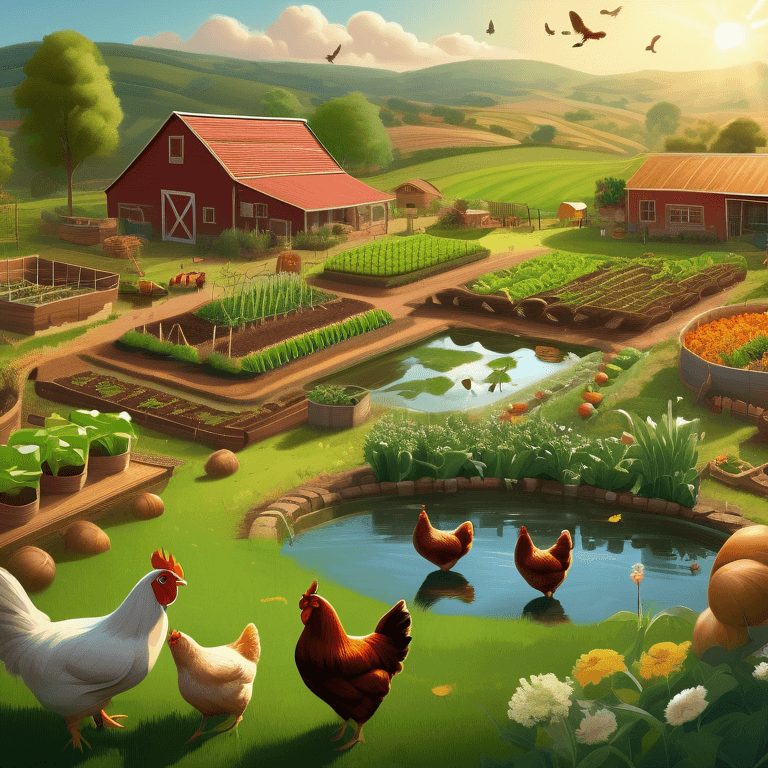

Beginner's Guide to Agriculture Permaculture
Introduction
Permaculture has gained significant attention in recent years as more people become interested in sustainable and regenerative agriculture. It offers a unique approach to farming that focuses on creating self-sufficient and resilient food production systems. By mimicking natural ecosystems and using nature as a guide, permaculture farmers strive to work harmoniously with the environment, rather than against it.
At its core, permaculture is about caring for the Earth, caring for people, and fair sharing. It emphasizes the importance of sustainable practices that promote soil health, biodiversity, and resource efficiency. Permaculture farms use a combination of techniques such as water harvesting, natural building, agroforestry, and companion planting to create diverse and productive ecosystems.
The principles of permaculture are rooted in observing and interacting with nature, producing no waste, obtaining a yield, and applying self-regulation. These principles guide farmers in designing their farms and gardens to be efficient, productive, and sustainable. Permaculture is not just a farming practice, but a way of life that encourages individuals to live in harmony with their surroundings and make conscious choices that benefit both themselves and the planet.
Understanding Permaculture Basics

Permaculture is based on the concept of permanent agriculture, where farming practices mimic natural ecosystems and create sustainable food production systems. It takes inspiration from the patterns and relationships found in nature and uses them as a guide for designing and managing farms and gardens. The goal is to create self-sufficient systems that are resilient, productive, and in harmony with the environment. Permaculture design integrates various elements such as water management, natural building, and renewable energy to create closed-loop systems that minimize waste and maximize efficiency.
Defining Permaculture in Agriculture
A permaculture farm is a type of agricultural system that aims to create self-sustaining and regenerative ecosystems. It combines principles of organic farming and sustainable farming practices to create a holistic approach to food production. Permaculture farms focus on building healthy soil, conserving water, promoting biodiversity, and using renewable resources. They prioritize the long-term health of the land and aim to minimize negative environmental impacts. By mimicking natural ecosystems and using nature as a guide, permaculture farmers can create sustainable and productive agricultural systems that benefit both the environment and the community.
Core Values and Ethics of Permaculture
Permaculture is guided by core values and ethics that shape the practices and principles followed by farmers. These values include caring for the Earth, caring for people, and fair sharing. Caring for the Earth involves ensuring the long-term health and sustainability of the land and all living systems. Caring for people focuses on providing access to resources and promoting social equity. Fair sharing emphasizes the importance of sharing resources and promoting a sense of community. These core values guide permaculture practices and help create regenerative and sustainable agricultural systems that prioritize the well-being of the environment and the community.
The Pillars of Permaculture

The pillars of permaculture are the principles that guide the design and implementation of permaculture practices. These principles include earth care, people care, and fair share. Earth care emphasizes the importance of taking care of the environment and ensuring the long-term health and sustainability of the land. People care focuses on promoting the well-being and empowerment of individuals and communities. Fair share emphasizes the importance of sharing resources and promoting social equity. By following these principles, permaculture farmers can create regenerative and sustainable agricultural systems that benefit both the environment and the community.
Earth Care, People Care, and Fair Share
Earth care, people care, and fair share are the core values of permaculture that guide farmers in creating regenerative and sustainable agricultural systems. These values prioritize the well-being of the environment and the community. Some key practices and principles associated with each value include:
- Earth care:
- Building healthy soil through composting and organic matter.
- Conserving water through techniques like rainwater harvesting and water-saving irrigation methods.
- Promoting biodiversity through companion planting and agroforestry.
- People care:
- Prioritizing the well-being of farmers and farm workers through fair wages and safe working conditions.
- Providing access to nutritious and locally grown food for the community.
- Creating inclusive and empowering farming communities.
- Fair share:
- Sharing surplus food and resources with those in need.
- Promoting social equity and equal access to resources.
- Encouraging community collaboration and cooperation.
By following these principles, permaculture farmers can create agricultural systems that are not only environmentally sustainable but also socially and economically beneficial.
How These Principles Guide Permaculture Practices
The principles of permaculture guide farmers in designing and implementing sustainable practices that promote ecological harmony and productivity. These principles provide a framework for creating regenerative and self-sufficient food production systems. Some key ways in which these principles guide permaculture practices include:
- Designing with patterns and observation: Permaculture farmers observe and study natural patterns and systems, which inform their design choices and help create efficient and productive farms.
- Maximizing resource efficiency: Permaculture practices focus on minimizing waste and maximizing the use of available resources, such as water, energy, and organic matter.
- Promoting biodiversity: Permaculture farmers prioritize biodiversity by incorporating a variety of plant and animal species, which helps create resilient and balanced ecosystems.
- Using renewable resources: Permaculture practices emphasize the use of renewable resources, such as solar energy and rainwater, to minimize reliance on non-renewable resources.
- Creating closed-loop systems: Permaculture farmers aim to create closed-loop systems where waste products are recycled and reused, minimizing the need for external inputs.
By following these principles, permaculture farmers can create sustainable and regenerative agricultural systems that promote the health of the environment and the well-being of the community.
Getting Started with Permaculture
Getting started with permaculture gardening involves understanding the principles and practices that guide this approach. It requires a shift in mindset from conventional gardening to a more holistic and sustainable approach. Some key steps to getting started with permaculture gardening include:
- Building healthy soil by incorporating organic matter and compost.
- Using renewable resources such as rainwater and renewable energy sources.
- Creating a design that mimics natural ecosystems and maximizes efficiency.
- Incorporating techniques such as companion planting, water harvesting, and natural pest control.
- Continuously learning and adapting to create a sustainable and productive garden.
Essential Tools and Resources for Beginners
For beginners in permaculture gardening, there are several essential tools and resources that can help get started. These include:
- Gardening tools: basic gardening tools such as a shovel, rake, and hand trowel are essential for preparing soil and planting.
- Compost bin: a compost bin or pile is crucial for recycling organic material and creating nutrient-rich compost for the garden.
- Permaculture books and resources: there are many books and online resources available that provide guidance and information on permaculture principles and practices.
- Seed catalogs: seed catalogs offer a wide variety of organic and heirloom seeds that are suitable for permaculture gardening.
- Community resources: joining a local gardening or permaculture group can provide valuable support, advice, and resources for beginners.
By utilizing these tools and resources, beginners can start their permaculture gardening journey with the necessary knowledge and equipment to create a sustainable and productive garden.
Choosing the Right Location for Your Permaculture Garden
Choosing the right location for your permaculture garden is crucial for its success. Consider the following factors when selecting a location:
- Sunlight: Choose a location that receives adequate sunlight for the crops you plan to grow. Observe the sunlight patterns throughout the day to determine the best spots for different plants.
- Soil quality: Assess the soil quality in the potential garden area. Conduct a soil test to determine its pH level, nutrient content, and drainage. Permaculture practices can help improve soil health over time, but starting with good soil quality is beneficial.
- Water source: Consider the availability of water in the chosen location. If possible, select a spot that is close to a water source or has access to rainwater harvesting systems.
- Microclimate: Observe the microclimate of the area, including temperature fluctuations, wind patterns, and frost dates. This information will help you choose appropriate plants and design your garden accordingly.
By carefully considering these factors, you can select a location that is well-suited for your permaculture garden and maximize its productivity.
Step-by-Step Guide to Creating Your First Permaculture Project
Creating your first permaculture project involves following a step-by-step process that incorporates permaculture design principles. Here is a guide to help you get started:
- Step 1: Observation and interaction - Spend time observing your site, noting the patterns, climate, and existing features. Interact with the land and understand its unique characteristics.
- Step 2: Designing your site with nature in mind - Use the information gathered during the observation stage to create a design that mimics natural ecosystems. Consider factors such as water flow, sun exposure, and wind patterns.
- Step 3: Implementing water-saving techniques - Incorporate water-saving techniques such as rainwater harvesting, swales, and drip irrigation to optimize water usage and minimize waste.
By following these steps and incorporating permaculture design principles, you can create a successful and productive permaculture project.
Step 1: Observation and Interaction
The first step in creating a successful permaculture project is to observe and interact with your site. Spend time observing the patterns, climate, and existing features of the land. Take note of the sun exposure, wind patterns, water flow, and soil conditions. This information will help you understand the unique characteristics of your site and guide your design choices.
Interact with the land by getting hands-on and immersing yourself in the environment. Walk through the site, touch the soil, and observe the plants and wildlife. This direct interaction will give you a deeper understanding of the land and its potential.
Through observation and interaction, you will gain valuable insights that will inform your permaculture farming practices. This information will help you design a system that works in harmony with nature and maximizes the productivity and sustainability of your project.
Step 2: Designing Your Site with Nature in Mind
Once you have observed and interacted with your site, the next step is to design your permaculture project with nature in mind. Use the information gathered during the observation stage to create a design that mimics natural ecosystems and maximizes the efficiency and productivity of your site.
Consider factors such as water flow, sun exposure, wind patterns, and soil conditions when designing your project. Incorporate techniques such as natural building, which uses locally sourced and sustainable materials, to create structures that blend harmoniously with the environment.
Promote biodiversity by incorporating a variety of plant and animal species in your design. Create habitats for beneficial insects, birds, and wildlife to enhance the overall health and resilience of your ecosystem.
By designing your site with nature in mind, you can create a permaculture project that is not only productive but also visually appealing and in harmony with the surrounding environment.
Step 3: Implementing Water-Saving Techniques
Water-saving techniques are an important aspect of permaculture farming. Implementing these techniques can help minimize water usage and maximize the efficiency of water distribution within your project. Some key water-saving techniques include:
- Rainwater harvesting: Capture rainwater from roofs and other surfaces and store it for later use. Install rain barrels or tanks to collect and store rainwater, which can then be used for irrigation.
- Stormwater harvesting: Utilize the natural flow of stormwater by channeling it into swales or ponds. This helps to recharge groundwater and prevent soil erosion while also providing water for plants.
- Drip irrigation: Use drip irrigation systems to deliver water directly to the roots of plants, minimizing water loss through evaporation and ensuring efficient water usage.
By incorporating these water-saving techniques, you can reduce your reliance on external water sources and create a more sustainable and efficient water management system within your permaculture project.
Step 4: Building Soil Health Naturally
To successfully implement permaculture principles, it is essential to focus on building soil health naturally. Healthy soil is the foundation of a thriving ecosystem and plays a vital role in sustainable agriculture. One of the key practices in permaculture is composting, which involves the decomposition of organic matter to create nutrient-rich compost. Compost provides essential nutrients to the soil, improves its structure, and enhances water retention. Organic matter, such as plant residues and animal manure, can also be added to the soil to increase its fertility and microbial activity. These natural practices help improve soil health, promote beneficial soil organisms, and reduce the need for synthetic fertilizers and pesticides. By building soil health naturally, permaculture farmers can create a resilient and sustainable foundation for their crops and contribute to long-term environmental stewardship.
Step 5: Plant Selection and Biodiversity
In permaculture, plant selection and biodiversity are crucial factors in creating a resilient and productive ecosystem. By selecting a diverse range of plants, permaculture farmers can maximize the use of available resources and create a balanced and self-sustaining garden. Companion planting, which involves planting compatible species together, can enhance plant health, deter pests, and improve pollination. Incorporating native plants and perennial crops can also contribute to biodiversity and attract beneficial insects and wildlife. By promoting biodiversity in the permaculture garden, farmers can reduce the risk of pest and disease outbreaks, enhance soil fertility, and create a more sustainable and resilient food production system. Additionally, biodiversity in the garden contributes to the overall health of the ecosystem and supports the conservation of native species.
Practical Applications of Permaculture
Permaculture principles extend beyond home gardens and have practical applications in various contexts. In the realm of food production, permaculture offers sustainable and regenerative farming practices that minimize the use of external inputs and foster long-term environmental stewardship. It promotes the creation of self-sufficient and resilient food production systems that prioritize soil health, biodiversity, and resource efficiency. Permaculture is also applied in community projects, where it addresses social and environmental issues through the development of sustainable and inclusive food systems. These community projects not only provide local access to nutritious food but also contribute to social cohesion and empowerment.
Home Gardens: A Case Study
A case study on home gardens can illustrate the practical application of permaculture principles. Organic farmers who practice permaculture principles in their home gardens have reported numerous benefits. These gardens provide a diverse range of fresh and nutritious produce, reducing reliance on store-bought food. By incorporating permaculture techniques such as companion planting, rainwater harvesting, and natural pest control methods, organic farmers have created self-sustaining ecosystems that require minimal external inputs. The table below outlines the key elements of a permaculture-based home garden.
Element Description Companion Planting Planting compatible species together to enhance plant health and deter pests. Rainwater Harvesting Collecting and storing rainwater to reduce reliance on municipal water sources. Natural Pest Control Using natural methods, such as beneficial insects and companion planting, to control pests. Soil Building Adding compost and organic matter to improve soil fertility and structure. Polyculture Planting a diverse range of crops to promote biodiversity and resilience.
Implementing permaculture principles in home gardens has empowered organic farmers to take control of their food production, improve food security, and contribute to a more sustainable future.
Community Projects and Their Impact
Community projects that embrace permaculture principles have a significant impact on both social and environmental aspects. These projects promote community engagement, education, and empowerment by involving individuals in sustainable food production and environmental stewardship. By implementing permaculture systems, communities can create self-sustaining and resilient ecosystems that provide fresh and nutritious food, reduce waste, and conserve resources. The social impact of these projects extends beyond food production, fostering a sense of community, enhancing food security, and promoting resilience in the face of environmental challenges. Permaculture community projects also contribute to the conservation of local ecosystems, protect biodiversity, and support the transition to a more sustainable and regenerative future.
Overcoming Common Challenges
Permaculture farming, like any other agricultural practice, comes with its own set of challenges. However, permaculture offers sustainable solutions to address these challenges. Pest control can be managed through natural methods such as companion planting, beneficial insects, and crop rotation. Climate variability can be mitigated by implementing practices that enhance soil health, water retention, and biodiversity. By focusing on sustainable solutions, permaculture farmers can overcome these challenges while promoting the long-term health of the ecosystem and reducing reliance on external inputs.
Managing Pests and Diseases Sustainably
Managing pests and diseases sustainably is a key aspect of permaculture farming. Rather than relying on synthetic pesticides, permaculture farmers use natural methods to control pests and diseases. Companion planting is a common practice in permaculture, where certain plants are planted together to deter pests or attract beneficial insects that prey on pests. Additionally, crop rotation helps break pest and disease cycles by interrupting their life cycles and reducing the buildup of pathogens in the soil. Natural pesticides, such as neem oil or garlic spray, can also be used to control pests without harming beneficial insects or the environment. By prioritizing sustainable pest and disease management, permaculture farmers can protect their crops while maintaining a healthy and balanced ecosystem.
Dealing with Climate Variability
Climate variability is a significant challenge for farmers, but permaculture offers strategies to adapt to changing climates. By implementing permaculture practices that enhance soil health, water retention, and biodiversity, farmers can create resilient systems that are better able to withstand extreme weather events. Building organic matter in the soil improves its water-holding capacity, reducing the impact of droughts and floods. Planting diverse crops and using companion planting techniques can increase resilience to pests, diseases, and temperature fluctuations. Additionally, permaculture practices such as rainwater harvesting and the use of mulch can help conserve water and reduce reliance on irrigation. By embracing permaculture principles, farmers can adapt to climate variability and ensure the long-term sustainability of their agricultural practices.
Conclusion
In conclusion, permaculture offers a sustainable approach to agriculture by focusing on earth care, people care, and fair share. By implementing permaculture principles, you can create a biodiverse, resilient ecosystem that benefits both the environment and the community. Through careful observation, thoughtful design, and natural techniques, you can build soil health, conserve water, and promote plant diversity in your garden. Overcoming challenges like pest management and climate variability is possible through sustainable practices. Whether you start with a home garden or engage in community projects, permaculture can make a positive impact on your surroundings. Embrace permaculture to cultivate a harmonious relationship between nature and agriculture.
Frequently Asked Questions
How Much Land Do I Need to Start Permaculture?
The amount of land needed to start permaculture depends on the scale and goals of the project. Permaculture principles can be applied to a small backyard or a larger farm. The key is to design the space efficiently and maximize the use of available resources. Starting small and gradually expanding allows for easier management and adaptation to the permaculture system.
Can Permaculture Be Applied in Urban Areas?
Permaculture can be applied in urban areas through practices such as urban permaculture, space utilization, rooftop gardens, container gardening, and vertical farming. These methods maximize the use of limited space and resources, allowing urban dwellers to grow their own food and contribute to a more sustainable and resilient food system.